
Violet-fronted Brilliant
Scientific name: Heliodoxa leadbeateri
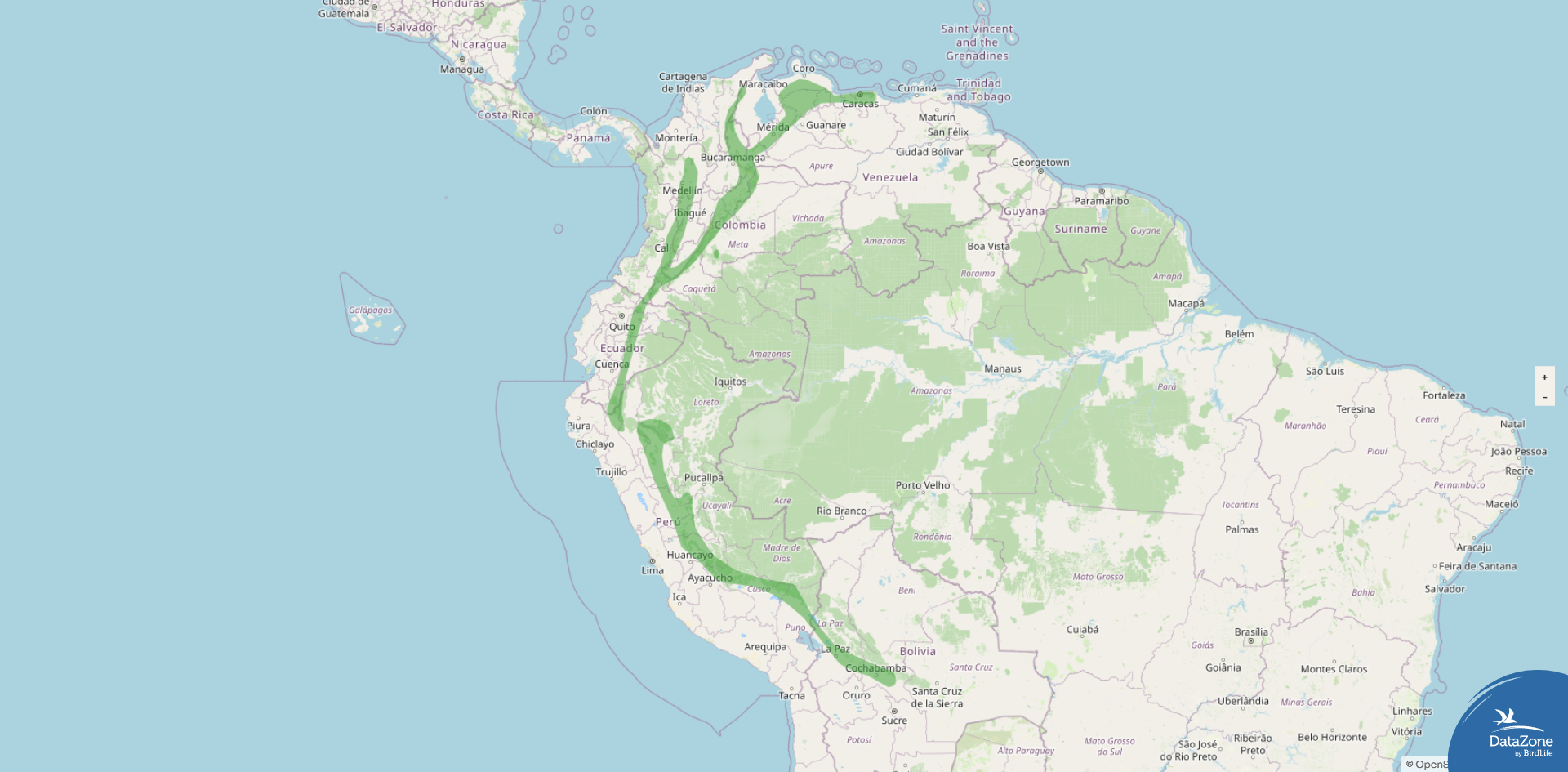
The Violet-fronted Brilliant is a medium-sized hummingbird of humid montane forests on the east slope of the Andes from Venezuela through Colombia and Ecuador into Peru and northwestern Bolivia. The number of mature individuals is unknown, its population trend is Decreasing, it is assessed as Least Concern, and it is considered not a migrant beyond local movements.
At a Glance
Family: Trochilidae (hummingbirds)
Clade: Heliantheini – Brilliants
Genus: Heliodoxa
Range: Eastern Andes from the Venezuelan Coastal Range and western Venezuela south through Colombia and Ecuador into Peru and northwestern Bolivia
Habitat: Interior and edges of pre-montane rainforest and cloudforest; also scrub, clearings, secondary forest, and coffee plantations
Elevation: Roughly 400–2,400 m along the east Andean slope
Length: About 11–13 cm
Weight: Males about 7.1–8.5 g; females about 6.6–7.5 g
Number of mature individuals: Unknown
Population trend: Decreasing
Status: Least Concern (IUCN)
Name Origin
The genus name Heliodoxa combines words meaning “sun” and “glory,” referring to the bright iridescence typical of brilliants. The species name leadbeateri honors British naturalist Benjamin Leadbeater. The English name “Violet-fronted Brilliant” highlights the male’s violet-toned forehead together with its membership in the brilliant group.
Subspecies & Distribution
Four subspecies are recognized:
Heliodoxa leadbeateri leadbeateri
Venezuelan Coastal Range between Falcón and Miranda states.Heliodoxa leadbeateri parvula
Andes of western Venezuela, Serranía del Perijá on the Venezuela–Colombia border, most of the Eastern Andes of Colombia, and the northern end of the Central Andes.Heliodoxa leadbeateri sagitta
Eastern slope of the Ecuadorian Andes south into Peru as far as the Department of Pasco.Heliodoxa leadbeateri otero
Eastern slope of the Andes from central Peru into northwestern Bolivia to Cochabamba Department.
As a whole, Violet-fronted Brilliants occur along the east slope of the Andes from northern Venezuela through Colombia and Ecuador into Peru and northwestern Bolivia, in humid montane and cloudforest habitats.
Ledged
Green Resident
Species Overview
The Violet-fronted Brilliant is a characteristic Andean hummingbird of warm, wet montane forests, most often found in the interior and edges of pre-montane rainforest and cloudforest. It also uses scrub, clearings, secondary forest, and coffee plantations, especially where flowering shrubs and trees are abundant. Its broad geographic range and use of both natural and semi-modified habitats support a Least Concern status, but ongoing habitat loss and degradation along the Andes are driving a Decreasing population trend.
Male Description
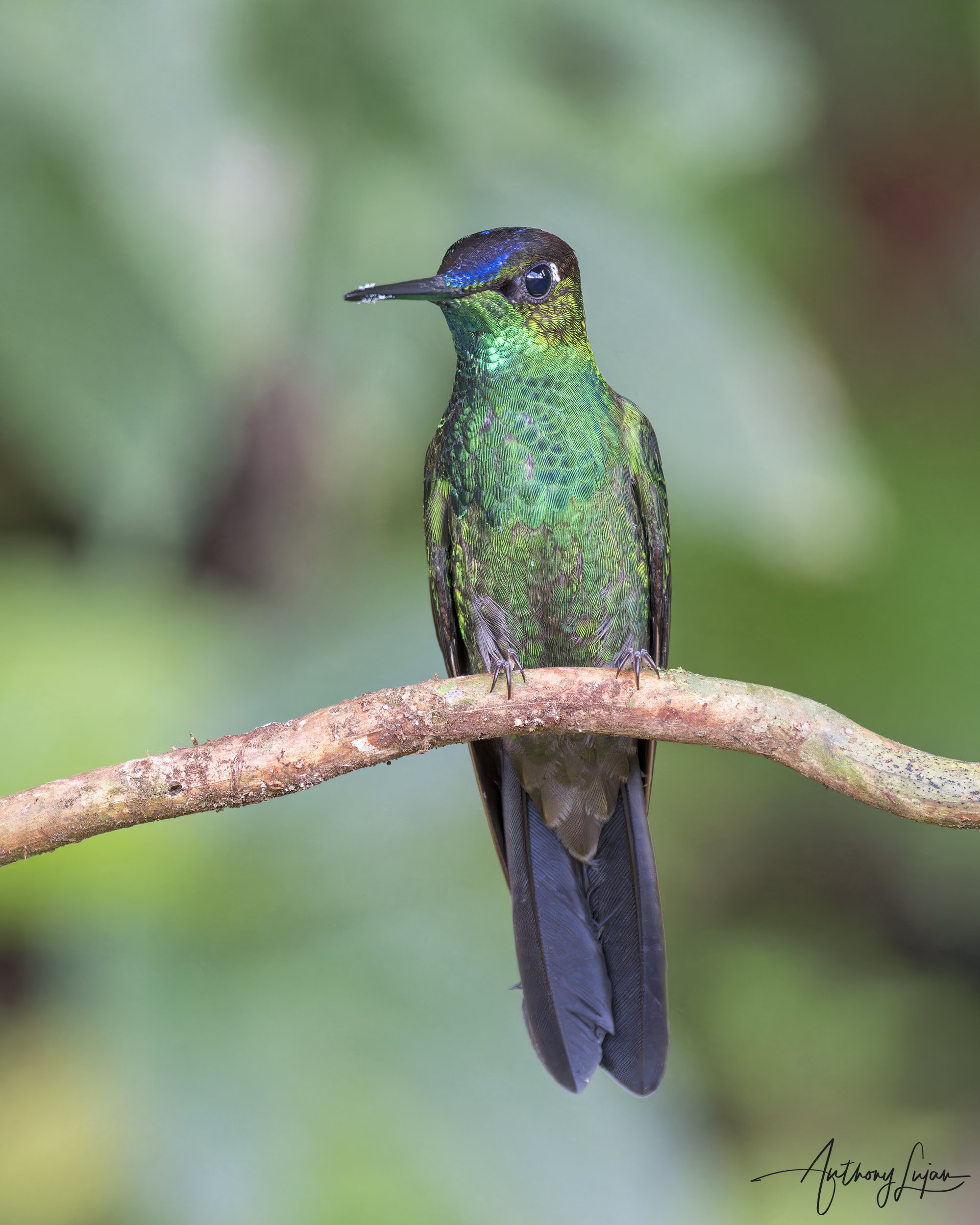
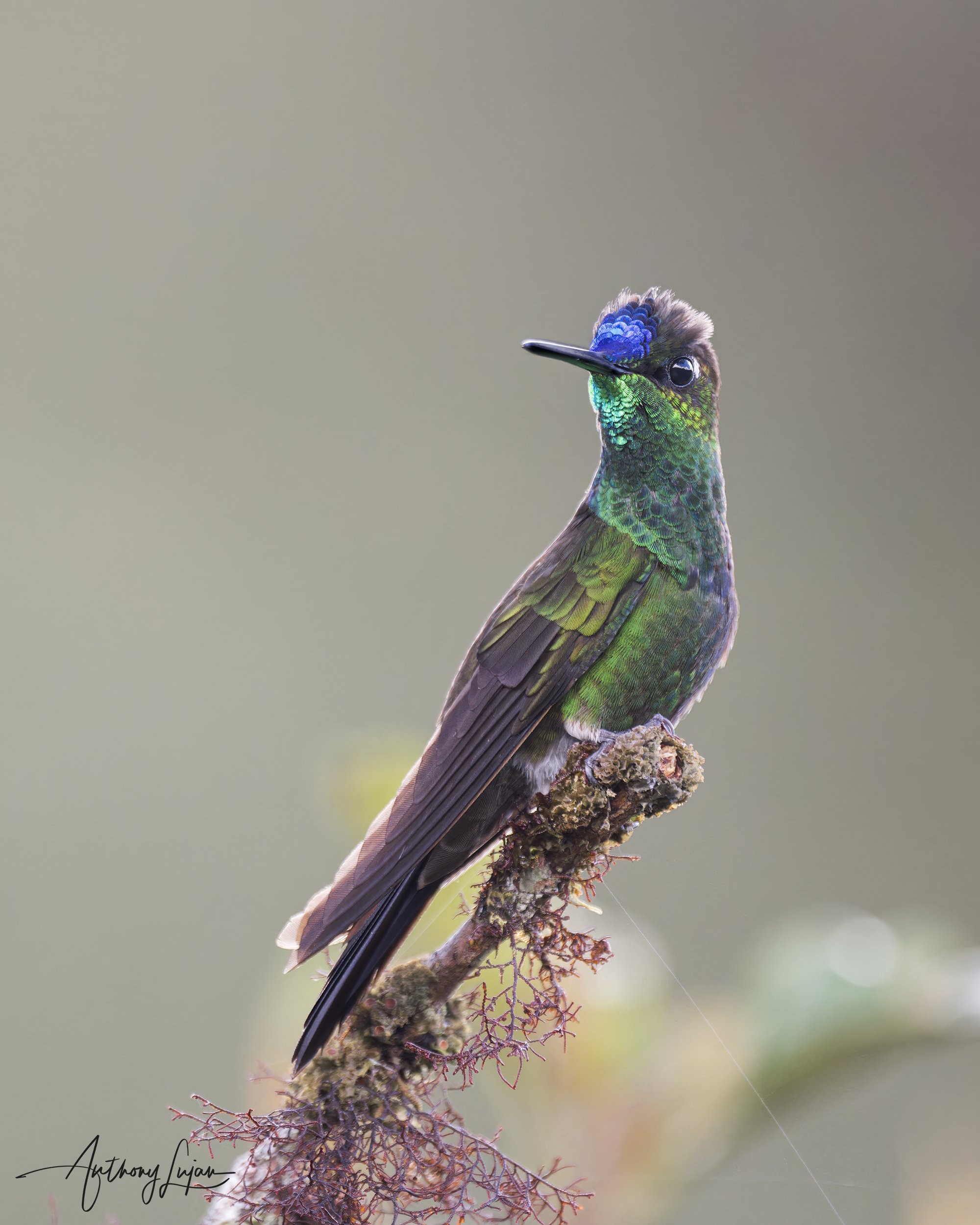
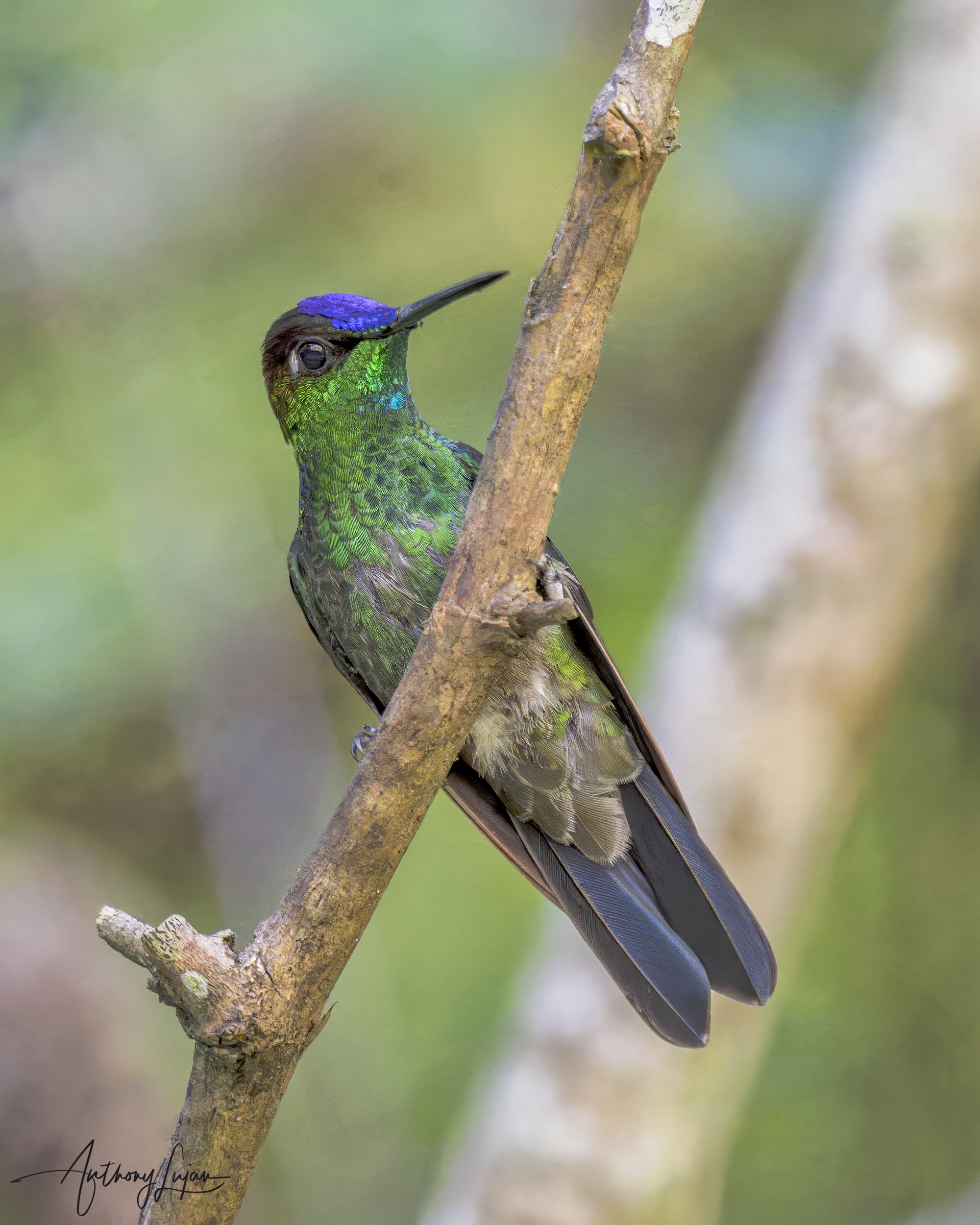
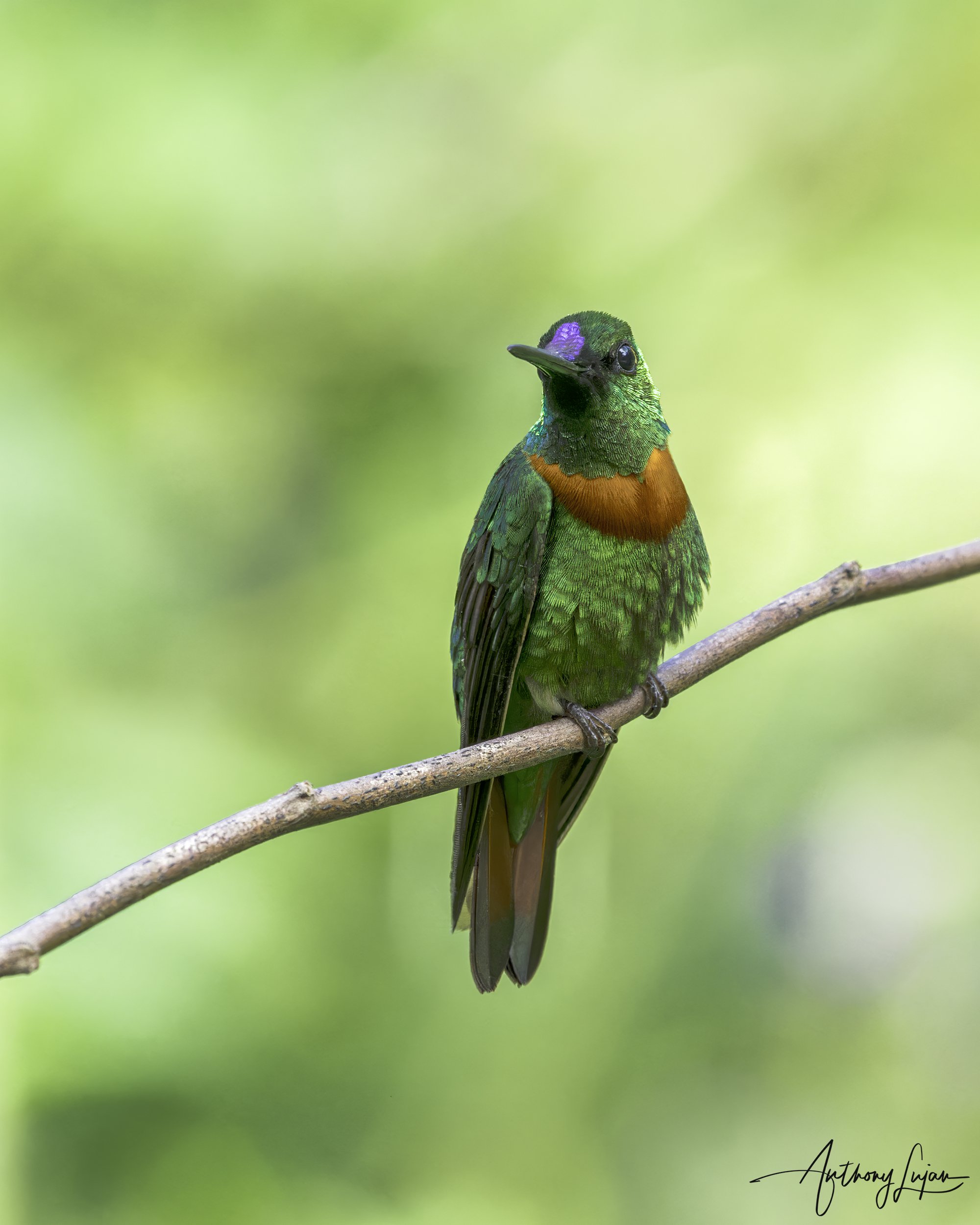
Adult males are medium-sized, predominantly green hummingbirds with a subtle violet to bluish front on the forehead that gives the species its name. The upperparts are shining green, and the throat and chest are glittering green, merging into a somewhat duller green or grayish belly. The tail is long and forked, dark with a greenish or bronzy sheen, and the bill is medium-length, almost straight, and black. Both sexes show a white malar streak and a small white spot behind the eye, but in males the overall effect is of a brightly throated, green-fronted brilliant with a darker forked tail.
Female Description
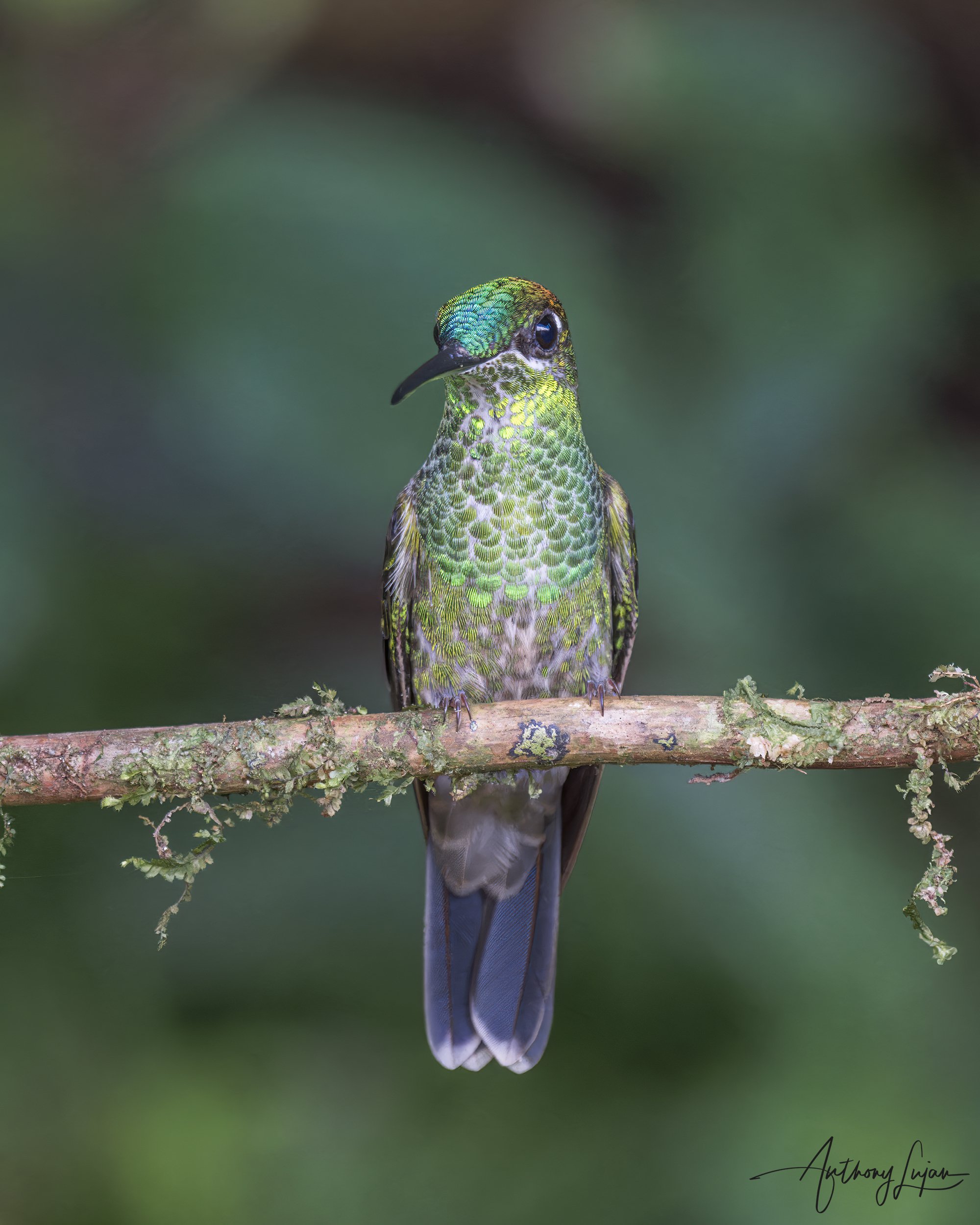
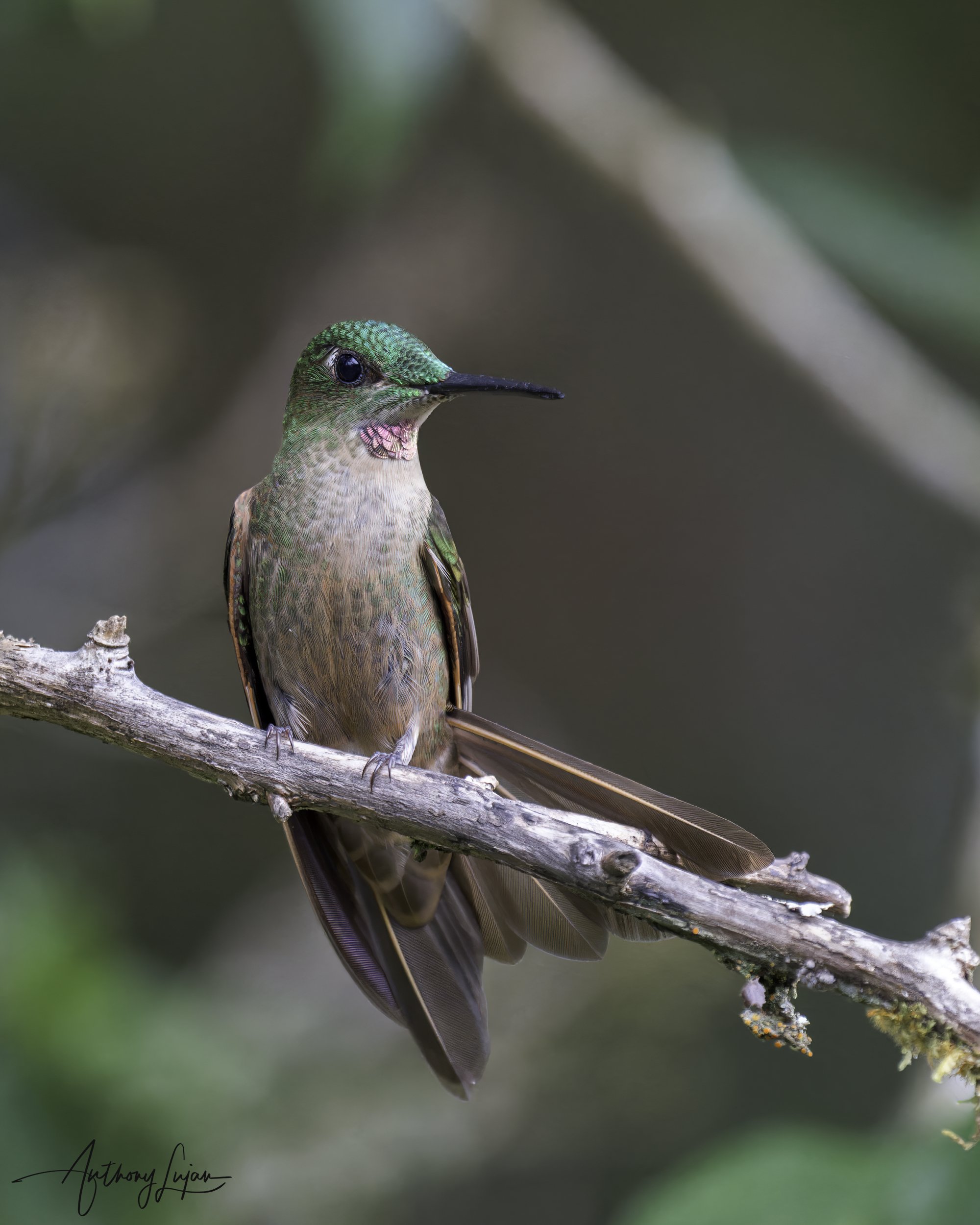
Females share the green upperparts and white malar streak and post-ocular spot of the male, but the underparts are paler and more heavily patterned. The throat and breast are whitish to pale gray with dense green spotting or scaling, giving a speckled appearance, while the belly is grayish with fewer spots. The tail is forked but less deeply than in the male, with dark feathers showing some green gloss and often faint pale tips on the outer feathers. Overall, females appear as green-backed, white-throated hummingbirds with bold green spotting below.
Habitat & Behavior
Violet-fronted Brilliants inhabit humid montane and cloudforests, mainly in the tropical and subtropical zones along the east slope of the Andes. They occur in forest interior and edges, pre-montane rainforest, cloudforest, scrub, clearings, secondary forest, and shaded coffee plantations between about 400 and 2,400 meters in elevation. They feed on nectar from a wide range of flowers, visiting shrubs, vines, and small trees along forest edges, trails, and in plantations, and also take small arthropods for protein. The species is considered not a migrant, though it may make small local or elevational movements in response to flowering cycles and seasonal changes.
Population
The total number of mature individuals is unknown, but within its Andean range the Violet-fronted Brilliant is generally considered uncommon to locally fairly common in suitable habitat. Its distribution follows a band of humid montane forest from northern Venezuela through Colombia and Ecuador into Peru and Bolivia. Despite this relatively wide range, deforestation, fragmentation, and habitat degradation in Andean forests are contributing to an overall Decreasing population trend.

Conservation
Violet-fronted Brilliant is listed as Least Concern because it occurs across a broad stretch of the Andes and uses both natural forest and semi-modified habitats such as secondary forest and coffee plantations. However, continued loss and degradation of subtropical and tropical moist montane forest, expansion of agriculture, and changes in shaded agroforestry systems threaten its habitats. Conservation actions that protect and restore Andean cloudforests, maintain structurally diverse secondary forest and shade-grown crops, and preserve elevational corridors will help support this species. Monitoring population trends and habitat loss across its range is important to prevent more serious declines.
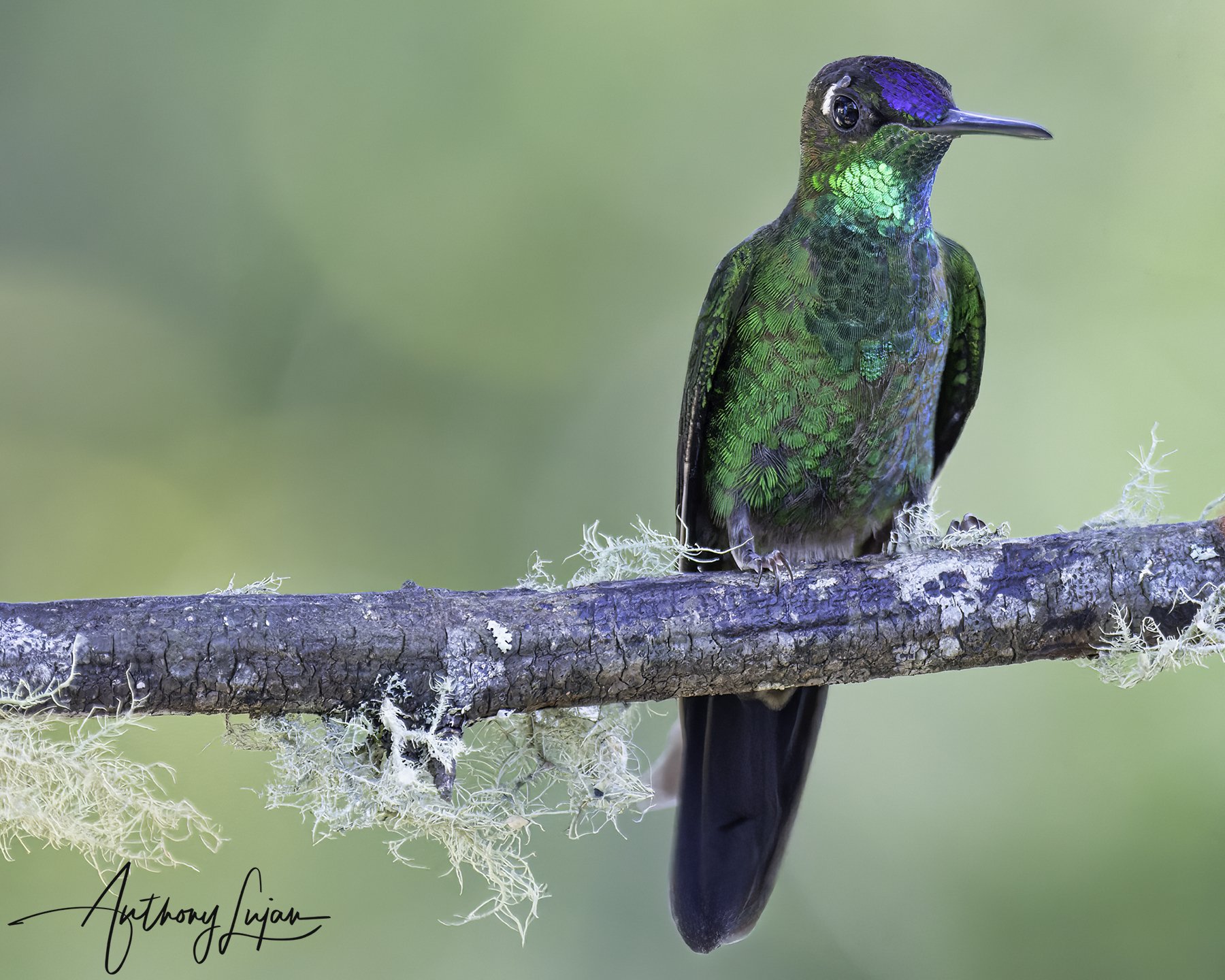
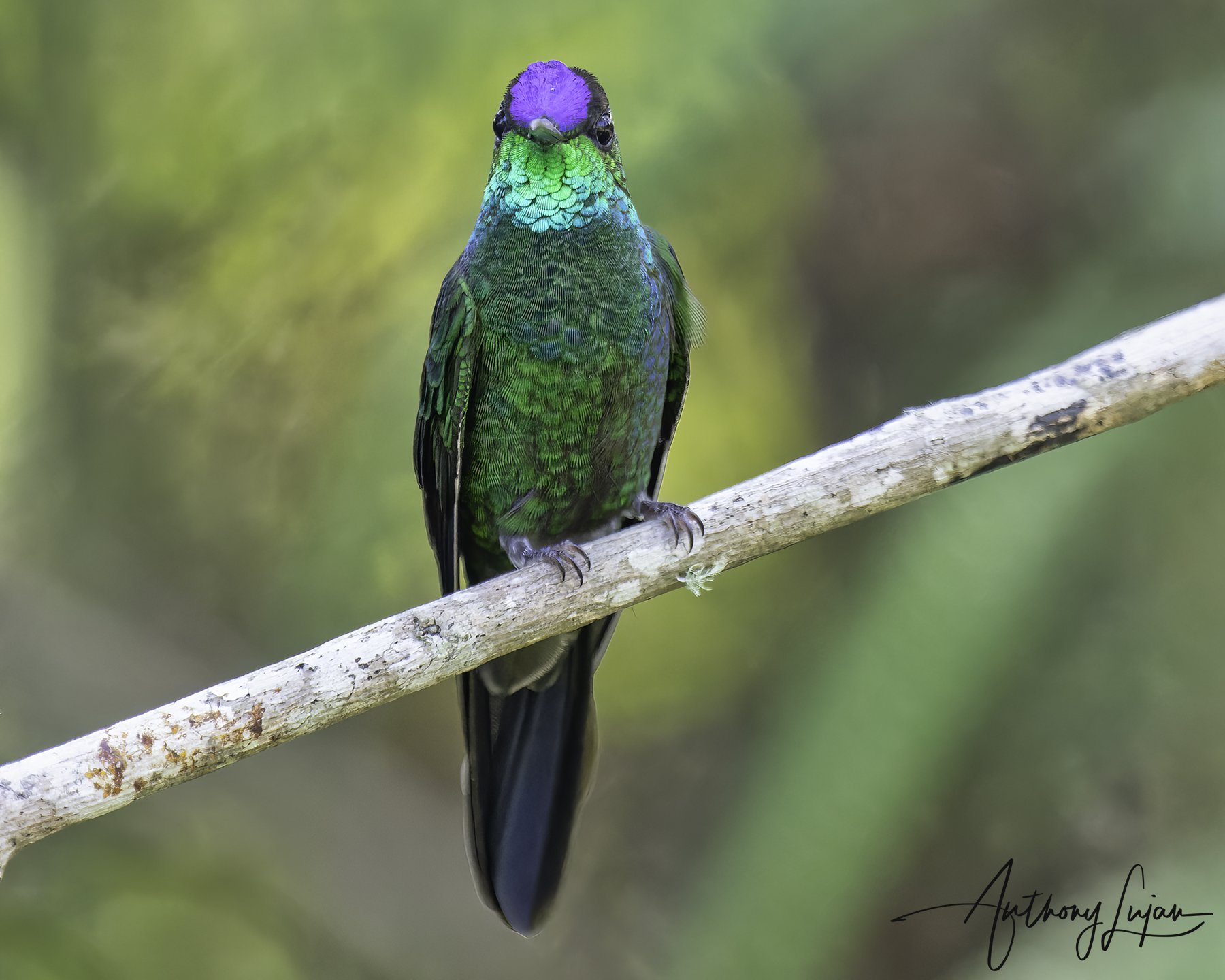
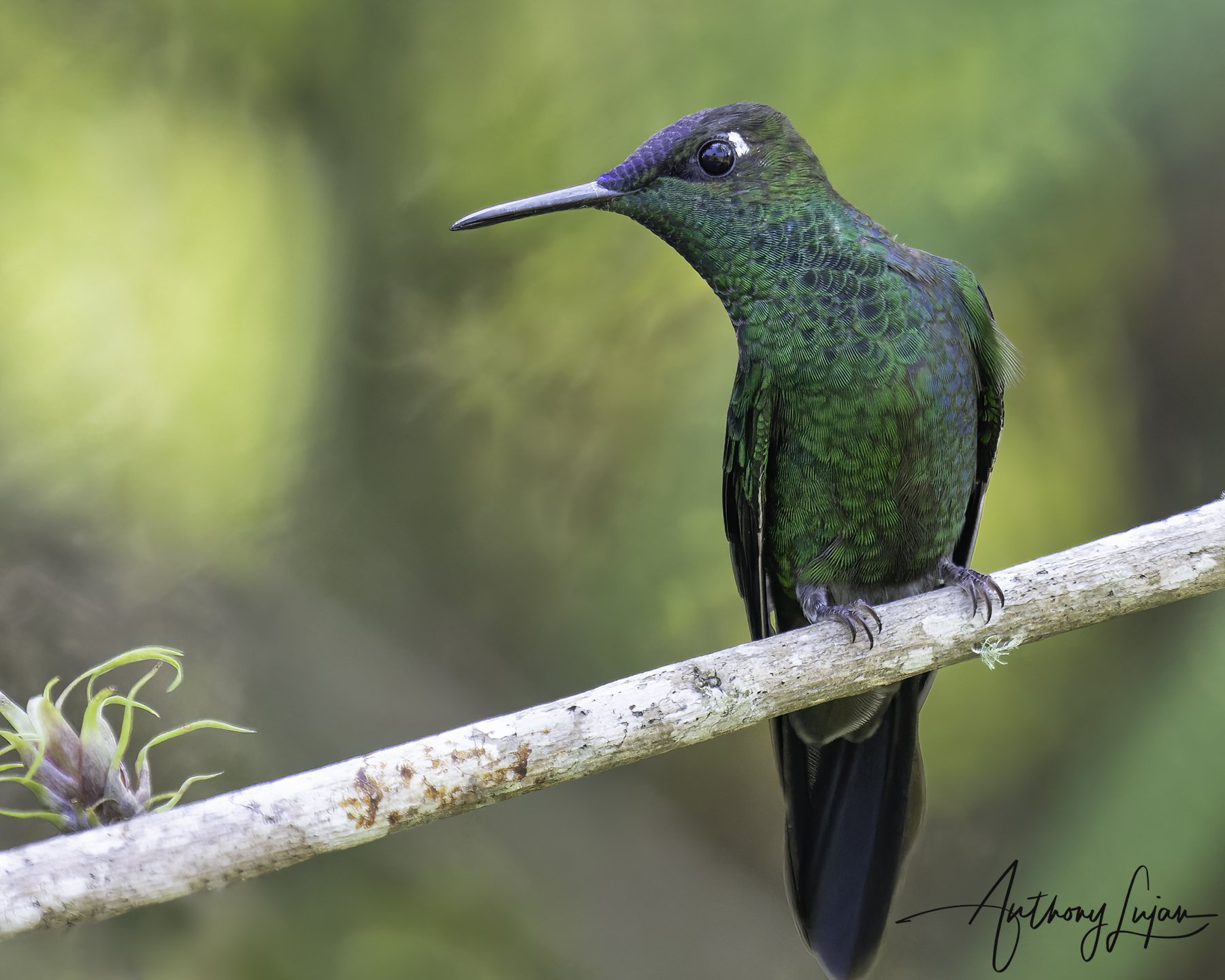
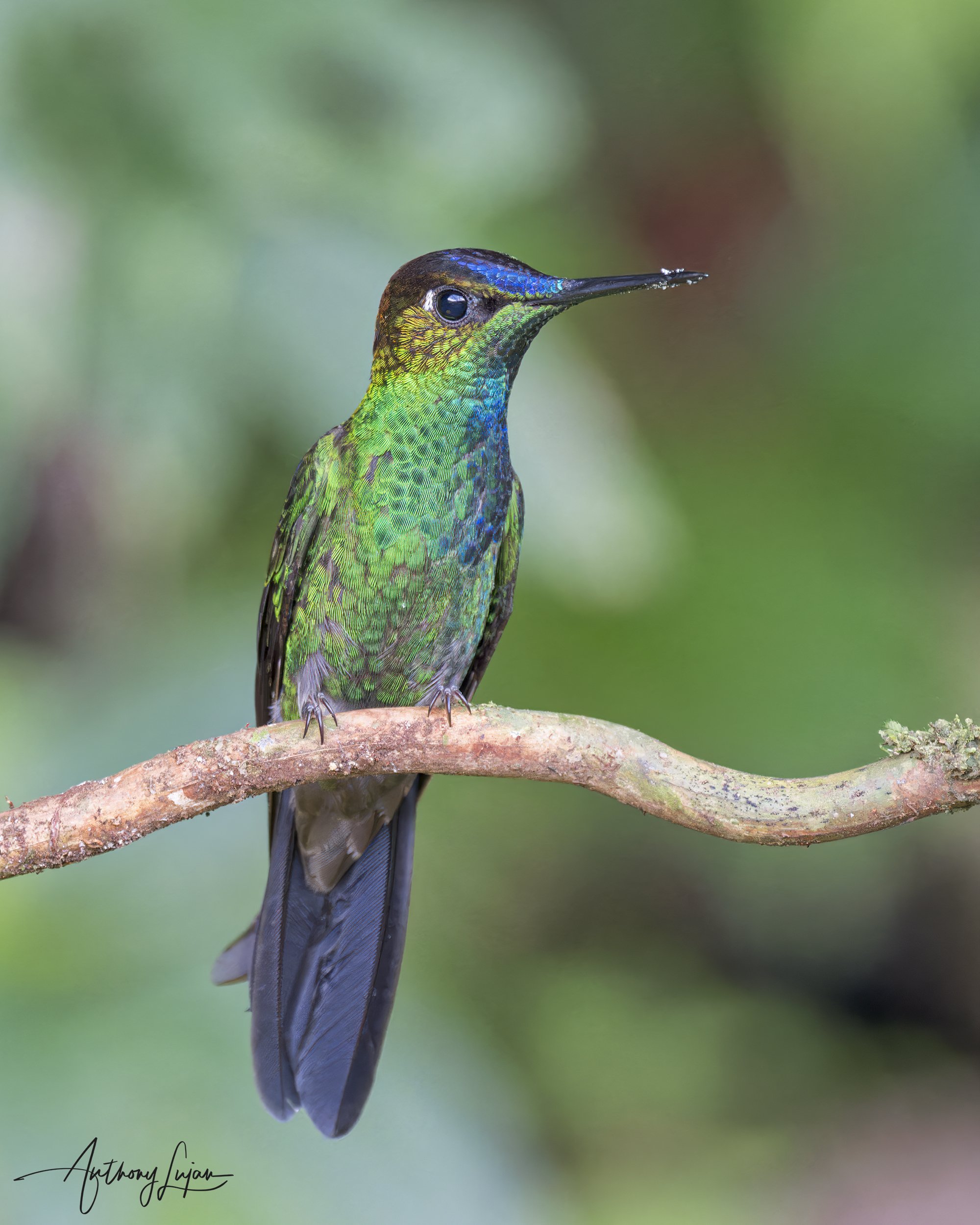
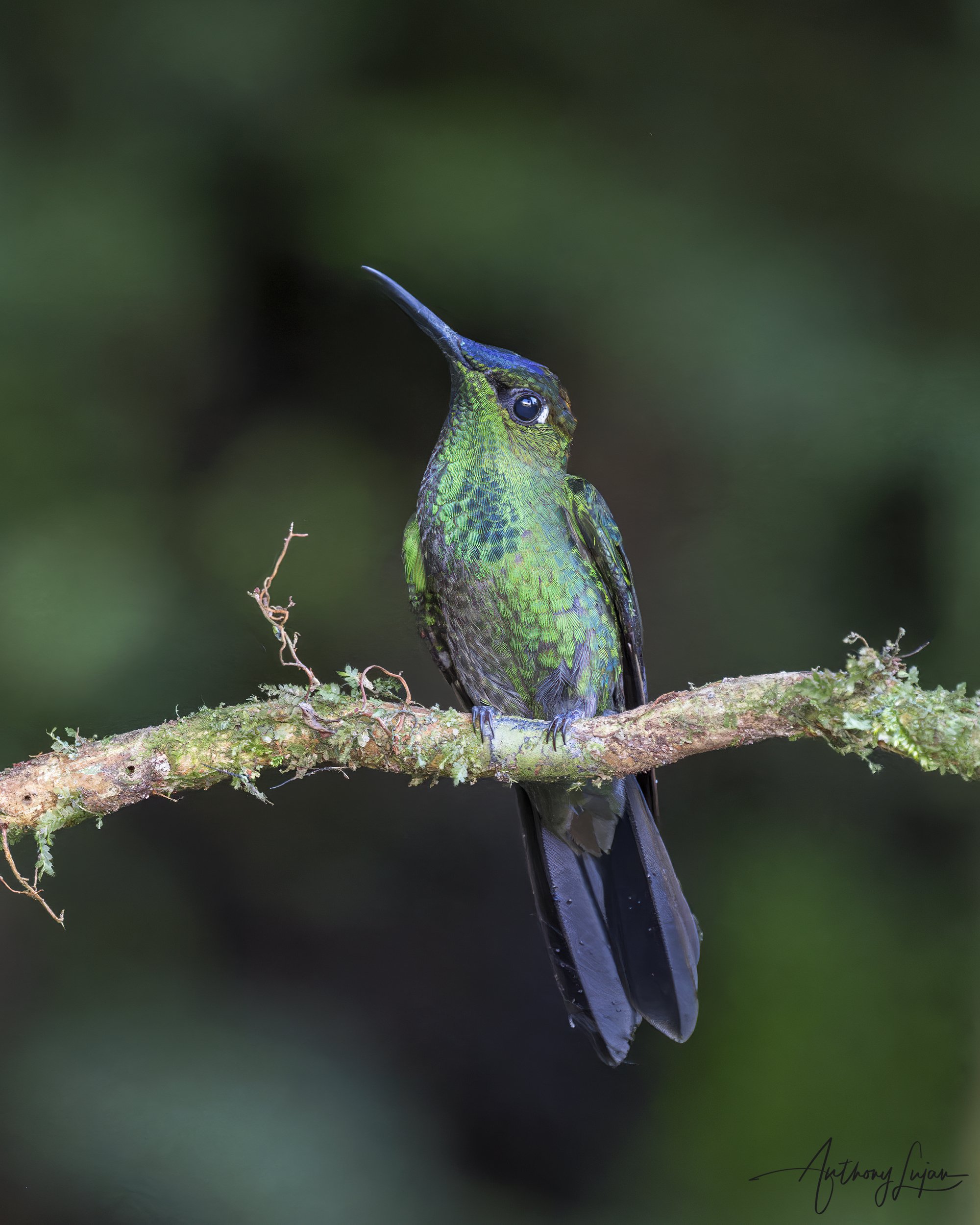
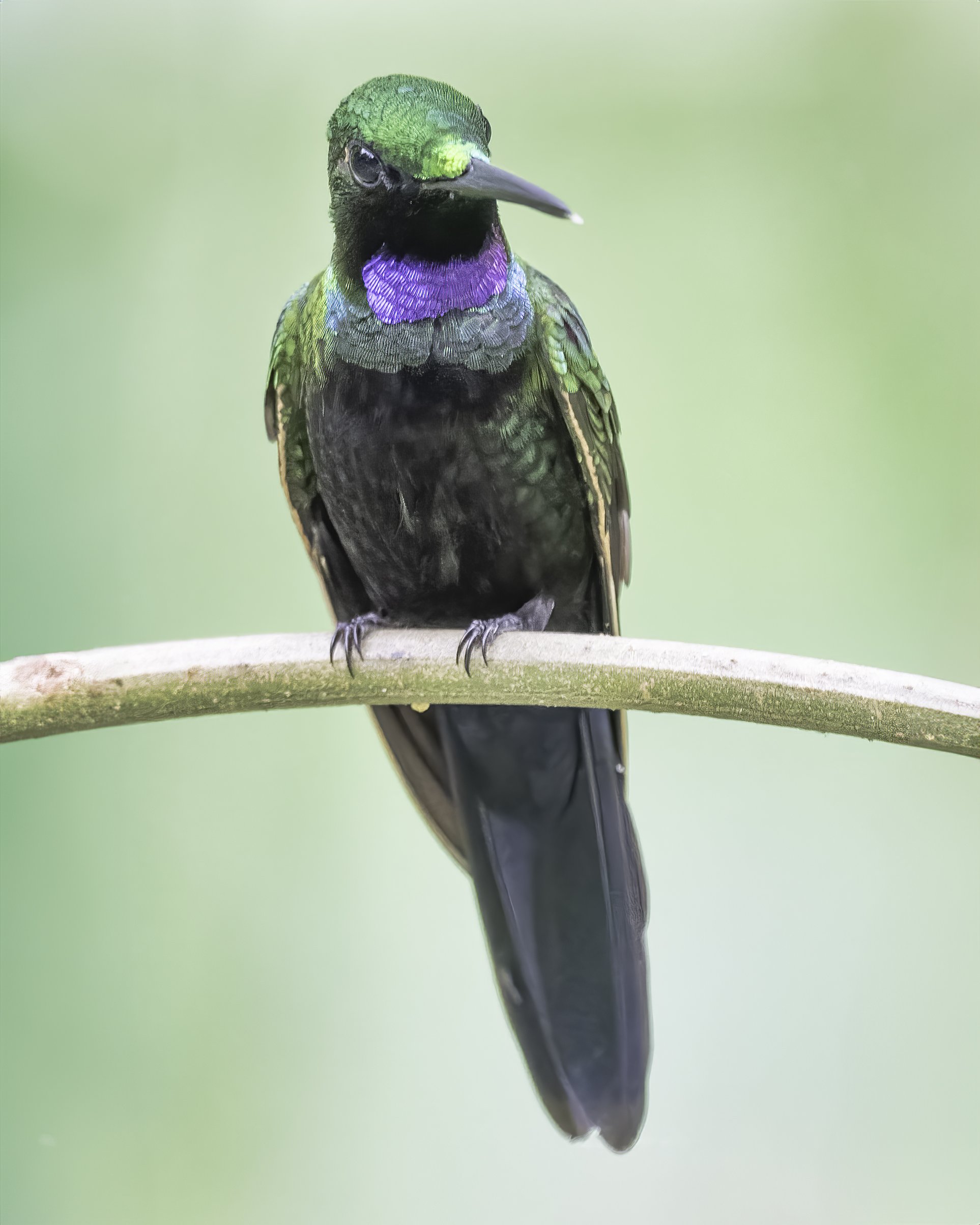
Below is the Violet-fronted Brilliant (Heliodoxa leadbeateri parvula)
Photographed at Finca La Esperanza, Cundinamarca, Colombia
These individuals belong to the subspecies parvula, which occurs in the Eastern Andes of Colombia and adjacent Venezuela, including the Magdalena Valley and parts of the Central Andes. It inhabits humid montane forests, often ranging between 1,200 and 2,400 meters. This form typically shows a less extensive violet crown compared to sagitta, with a slightly more bronzy green hue overall and a narrower glittering gorget. Vocalizations and structure are consistent across populations, but parvula tends to be more restricted in elevation and patchily distributed.
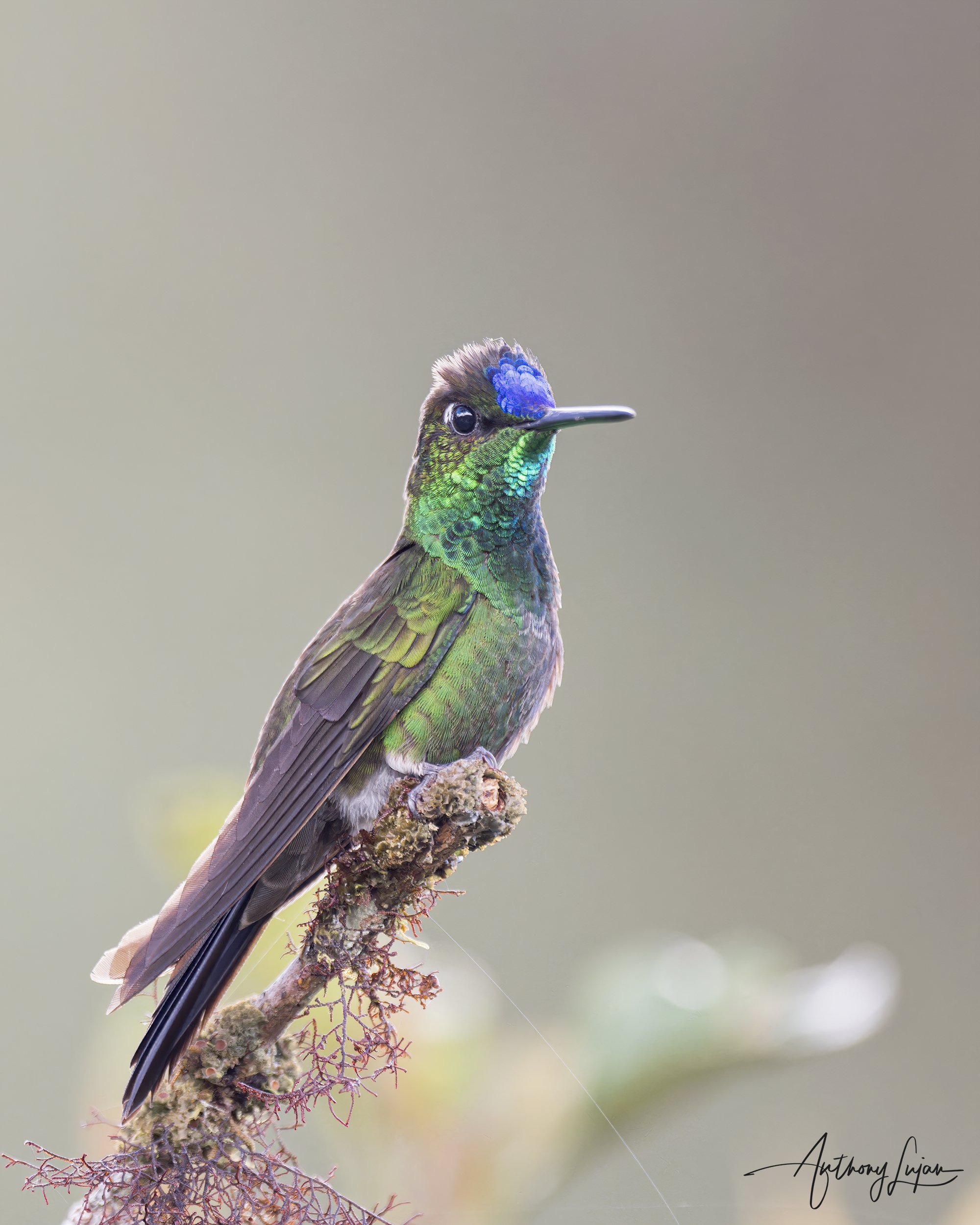
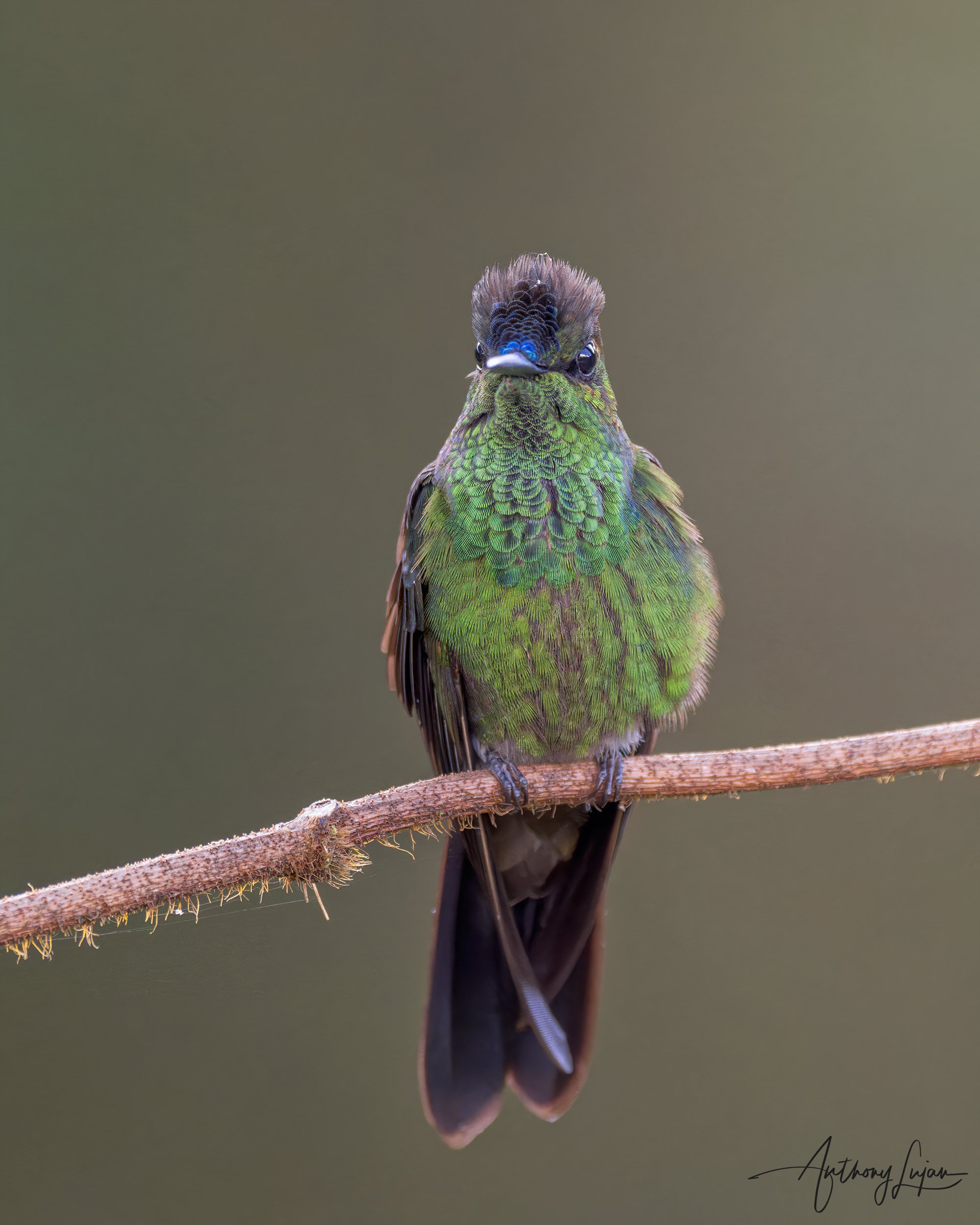
Below is the Violet-fronted Brilliant (Heliodoxa leadbeateri sagitta)
Photographed at Huembo Lodge, Amazonas, Peru and Bosque de Protección Alto Mayo, San Martín, Peru
These individuals belong to the subspecies sagitta, which occurs along the eastern slope of the Andes from Ecuador south through northern Peru (to Pasco). It inhabits humid montane forests, often between 1,000 and 2,200 meters elevation. This subspecies is marked by its vibrant violet crown, rich bronzy green back, and large size among Andean hummingbirds. Compared to otero, sagitta is generally slightly smaller and has a cleaner green chest and more bluish forehead sheen.
Related species in the Heliodoxa genus (10 species total):



Please note: The content provided in this article reflects Anthony’s personal experience and photographic approach. Results can vary depending on light, weather, location, equipment, subject behavior, and field conditions.