
Scientific name: Lophornis adorabilis
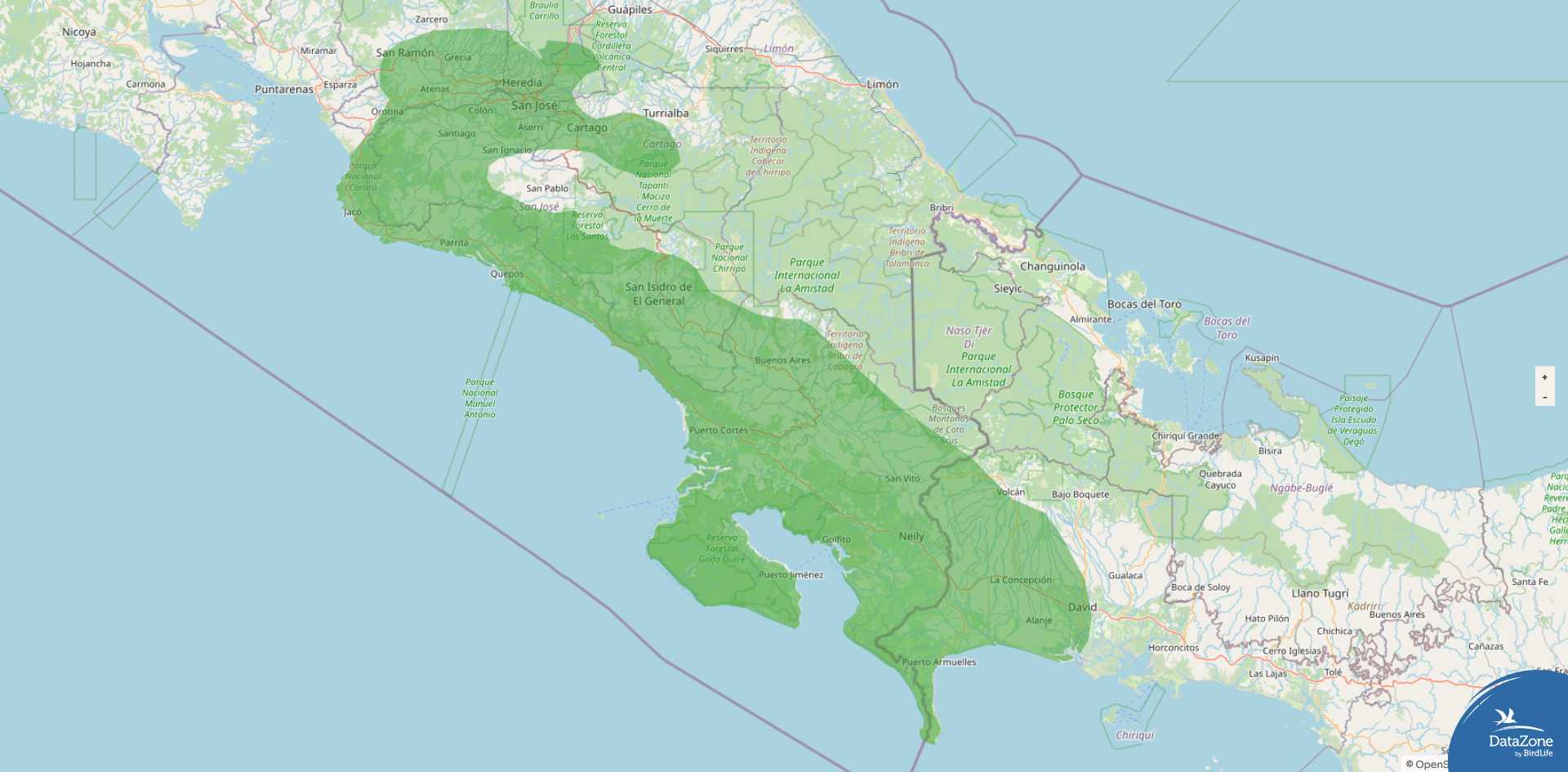
The White-crested Coquette is a tiny, striking hummingbird endemic to the South Pacific slope of Costa Rica and far western Panama. The global number of mature individuals is estimated at 20,000–49,999, the population trend is Decreasing, and it is currently assessed as Least Concern.
At a Glance
Family: Trochilidae (hummingbirds)
Clade: Lesbiini – coquettes
Genus: Lophornis — very small, crested hummingbirds with elaborate head and throat plumes
Range: Endemic to the Pacific side of southern Costa Rica (south to the southern zone and inland to the Cordillera Central) and the Pacific slope of far western Panama
Habitat: Interior and edges of humid forest, tall secondary forest, hedgerows, and gardens with flowering trees and shrubs
Elevation: From sea level up to about 1,200–1,400 m
Length: About 7–8 cm (around 3 in)
Weight: Around 2–3 g
Number of mature individuals: 20,000–49,999
Population trend: Decreasing
Status: Least Concern (IUCN)
Name Origin
The genus name Lophornis comes from Greek words meaning “crest” and “bird,” referring to the prominent crests typical of coquettes. The species name adorabilis means “adorable” or “delightful,” a fitting description of this tiny, ornate hummingbird. The English name “White-crested Coquette” highlights the male’s bright white crest, which contrasts sharply with the rest of his plumage.
Subspecies & Distribution
White-crested Coquette is monotypic, with no recognized subspecies.
It is endemic to the South Pacific of Costa Rica and western Panama. In Costa Rica it occurs on the Pacific side of the southern zone from sea level up the slopes to the Cordillera Central, occasionally wandering toward the Central Valley and even to the Caribbean side. In Panama it is found on the Pacific slope of far western regions near the Costa Rican border. Throughout this range it occupies humid forest interiors and edges, tall secondary forest, hedgerows, and flowering gardens in lowlands and foothills.
Ledged
Green Resident
Species Overview
The White-crested Coquette is one of the signature hummingbirds of the southern Pacific region of Costa Rica and neighboring western Panama. Despite its small size, it is highly distinctive where it occurs, especially when males show off their white crest and bold facial pattern. It uses a mix of forest, secondary growth, and more open, human-modified habitats with tall flowering trees and shrubs. Although still locally fairly regular and currently listed as Least Concern, continuing deforestation and habitat alteration are causing a gradual population decline.
Male Description
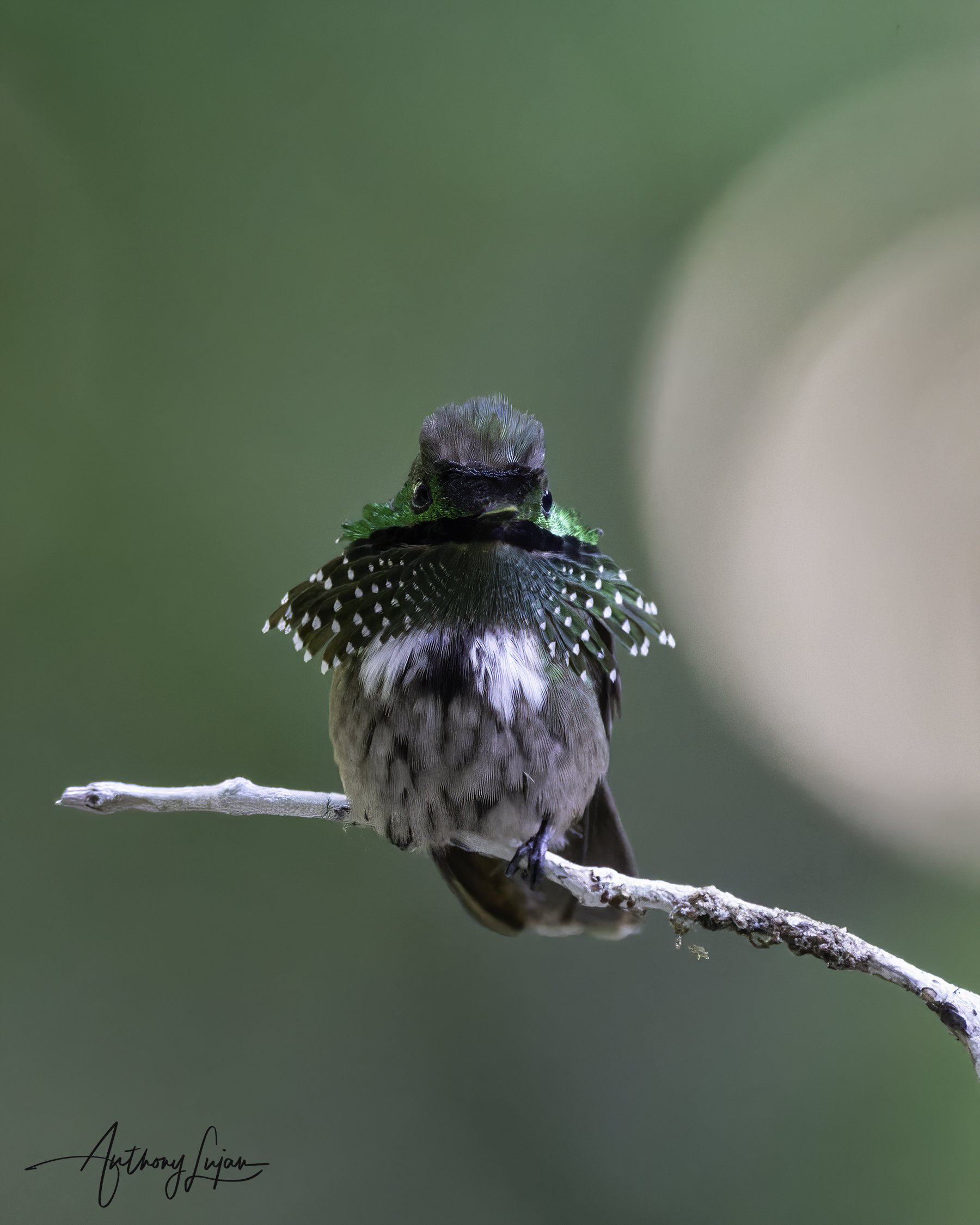
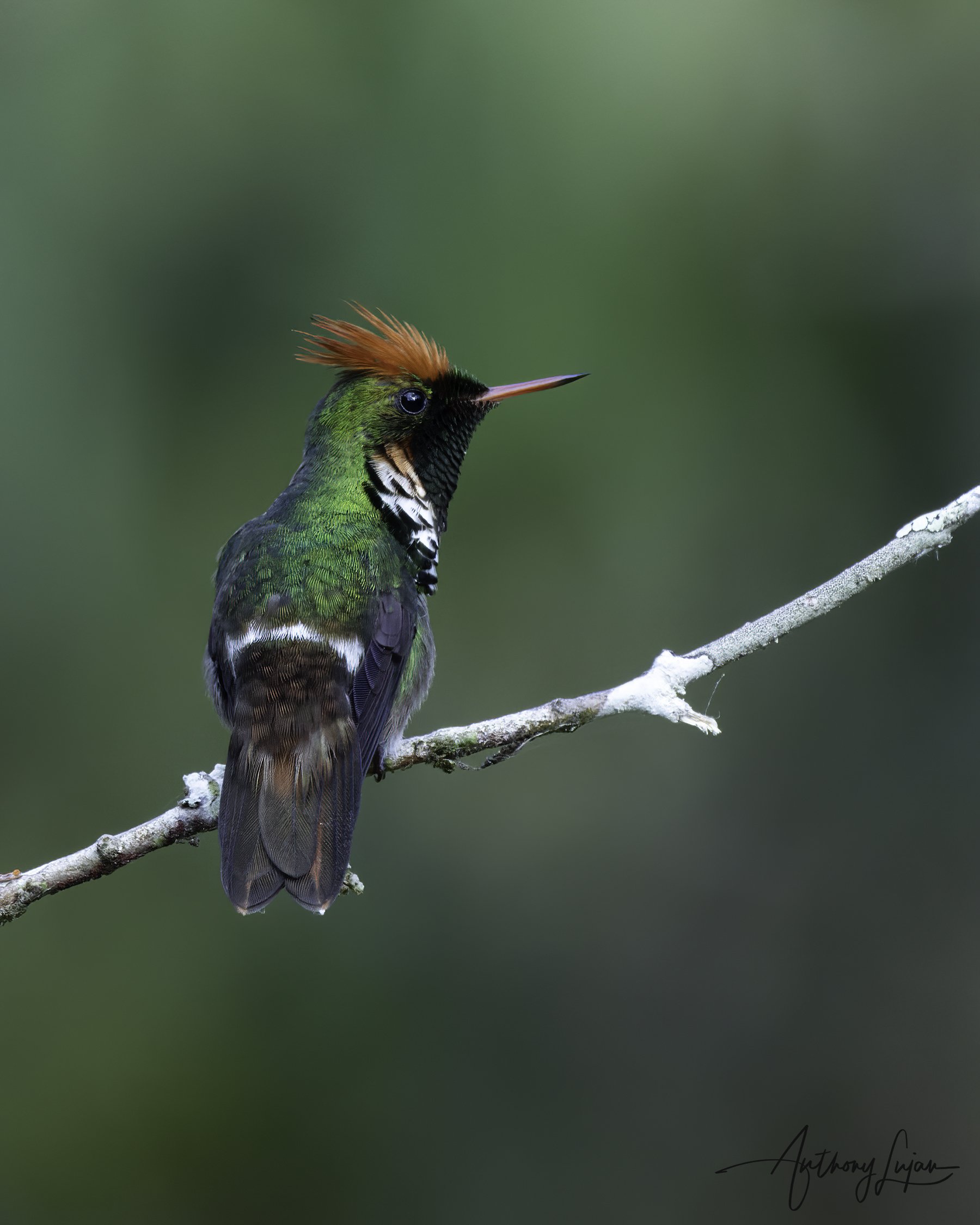
Adult males are tiny but unmistakable, with a short, straight bill and a brilliant white crest that can be raised into a prominent tuft. The face shows contrasting dark and pale markings, and the throat is glittering green, set off by warm rufous sides of the neck and breast. The upperparts are metallic green with a noticeable white rump band, and the underparts are mostly green with some buffy or whitish areas depending on angle and light. The tail is relatively short and rufous with darker tips, giving the bird a compact, flashy appearance when it darts between flowers.
Female Description
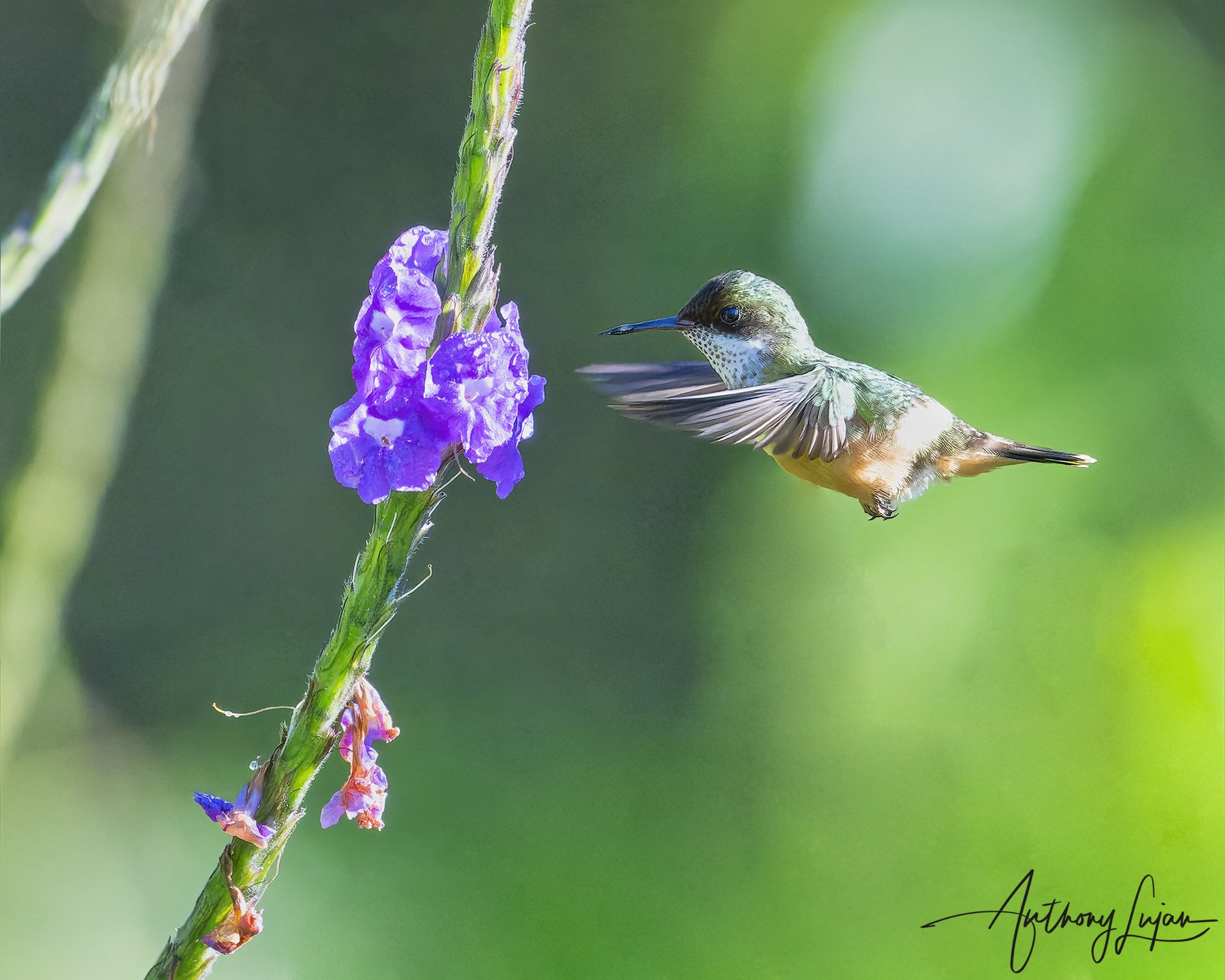
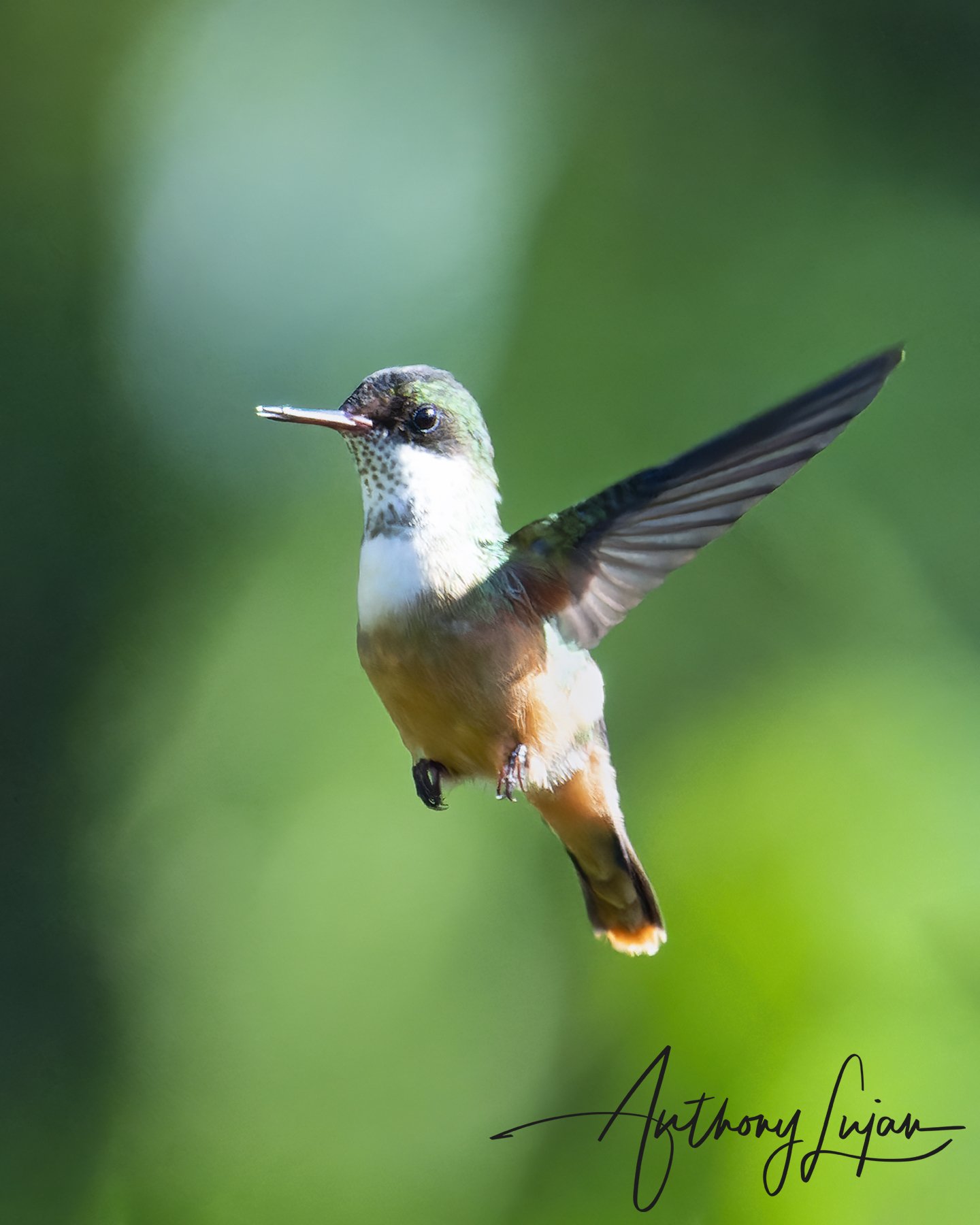
Females lack the striking white crest and bold throat of the male, creating a more subdued but still elegant look. They are green above with a whitish rump band and show whitish to buff underparts marked with fine green spotting or scaling, especially on the sides. The tail is rufous with greenish edges and tips, typically a bit longer in proportion to body size than in males. In the field, females appear as very small, neat green hummingbirds, best identified by size, rump pattern, and association with males or known White-crested Coquette sites.
Habitat & Behavior
White-crested Coquettes use the interior and edges of humid forest, tall secondary forest, hedgerows, and gardens with flowering trees and shrubs in the South Pacific of Costa Rica and western Panama. They often forage in the canopy and upper mid-levels, visiting blossoms on tall trees and at forest edges, but will also come lower to feed in gardens and along roadsides where suitable flowers are available. Their diet is primarily nectar from a variety of small, tubular flowers, supplemented with tiny arthropods gleaned from foliage. Individuals are usually seen singly, appearing suddenly at flowering trees and then seeming to vanish again, and their very small size means they can be overlooked without careful scanning.
Population
The estimated global population of White-crested Coquette is 20,000–49,999 mature individuals. Within its limited endemic range it is considered uncommon overall but can be locally fairly regular where flowering conditions are favorable. The population trend is Decreasing, largely due to ongoing deforestation and reduction of humid forest and tall secondary growth in the South Pacific of Costa Rica and adjoining western Panama. As an endemic with a relatively narrow range, sustained habitat loss can have a significant impact on total numbers.

Conservation
White-crested Coquette is currently assessed as Least Concern, but its decreasing trend and restricted endemic range make it a species of conservation interest in southern Costa Rica and western Panama. The main threat is habitat loss and degradation from deforestation, agricultural expansion, and development that reduce and fragment humid forest, tall secondary growth, and flowering hedgerows. Conservation efforts that protect remaining lowland and foothill forests, maintain structurally diverse secondary growth, and encourage flower-rich hedgerows and gardens will benefit this species. Monitoring its population and preserving key localities in the South Pacific region are important for ensuring that this tiny, distinctive hummingbird remains a flagship species of the area.
Only the female was photographed.
Interested in coming along? Visit Travel with Me!
Also visit Costa Rica Hummingbird Expedition | July 2021 | 10 Species | Where It All Started
Also visit Costa Rica Hummingbird Expedition | November 2021 | 22 New Species | Second Chances
Also visit Costa Rica Hummingbird Expedition | July 2025 | 32 Species | 10 New | Closing the Gap
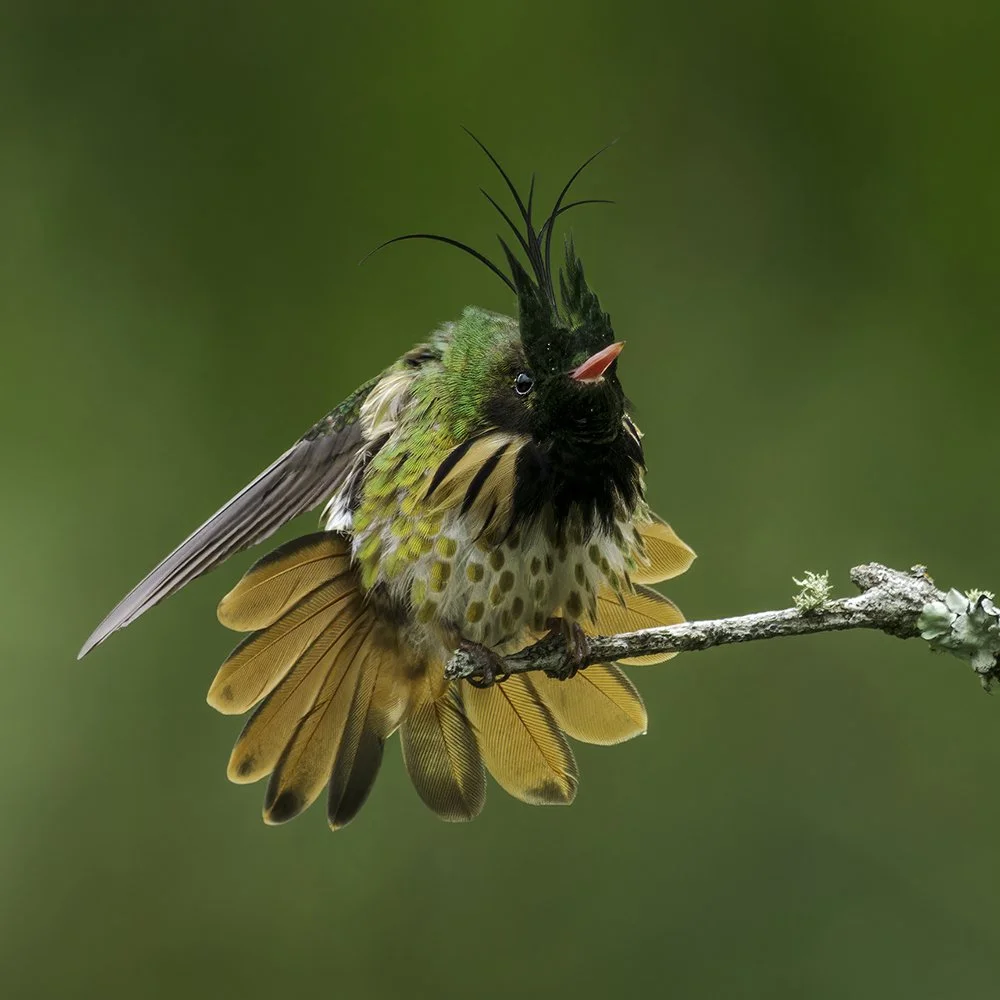
Related species in the Lophornis genus (11 species total):


Please note: The content provided in this article reflects Anthony’s personal experience and photographic approach. Results can vary depending on light, weather, location, equipment, subject behavior, and field conditions.