
Azure-crowned Hummingbird

Scientific name: Saucerottia cyanocephala
The Azure-crowned Hummingbird is a mid-elevation hummingbird of eastern and southern Mexico through Central America, where it frequents humid and semi-humid montane forests, edges, and shade coffee plantations. Its shimmering blue crown and emerald-green body make it one of the more striking “emeralds” of Mesoamerican highlands.
At a Glance
Family: Trochilidae (hummingbirds)
Clade: Trochilini – Emeralds
Genus group: Saucerottia — mid-elevation emeralds of Mexico and Central America.
Range: Eastern and southern Mexico (including Veracruz, Oaxaca, Chiapas), Belize, Guatemala, El Salvador, Honduras, and north‑central Nicaragua.
Habitat: Humid and semi-humid montane forest, pine–oak and cloud forest, forest edges, clearings, and shade coffee plantations.
Elevation: Mostly about 800–2,400 m (2,625–7,875 ft).
Length: about 9–10.5 cm (3.5–4.1 in).
Weight: about 4–5 g (0.14–0.18 oz).
Number of mature individuals: at least 500,000.
Population trend: Decreasing.
Status: Least Concern (IUCN).
Name Origin
The genus name Saucerottia honors Antoine Claudius Saucerotte, an 18th‑century French physician and naturalist who studied hummingbirds. The species name cyanocephala comes from Greek kyanos (“blue”) and kephalē (“head”), meaning “blue‑headed,” a reference to the bird’s distinctive azure crown. Together, Saucerottia cyanocephala can be read as “Saucerotte’s blue‑headed hummingbird.”
Subspecies and Distribution
Two subspecies are usually recognized.
Saucerottia cyanocephala cyanocephala (Azure-crowned)
Ranges from eastern and southern Mexico south through Guatemala, El Salvador, Honduras, and into north‑central Nicaragua. It inhabits pine–oak and cloud forest, forest edges, clearings, and shade coffee at mid‑elevations, typically between about 800 and 2,400 m.Saucerottia cyanocephala chlorostephana (Mosquitia)
Occurs in the Mosquito Coast region of eastern Honduras and northeastern Nicaragua. This form occupies humid low‑ to mid‑elevation forests and forest edges, with broadly similar ecology to the nominate subspecies.
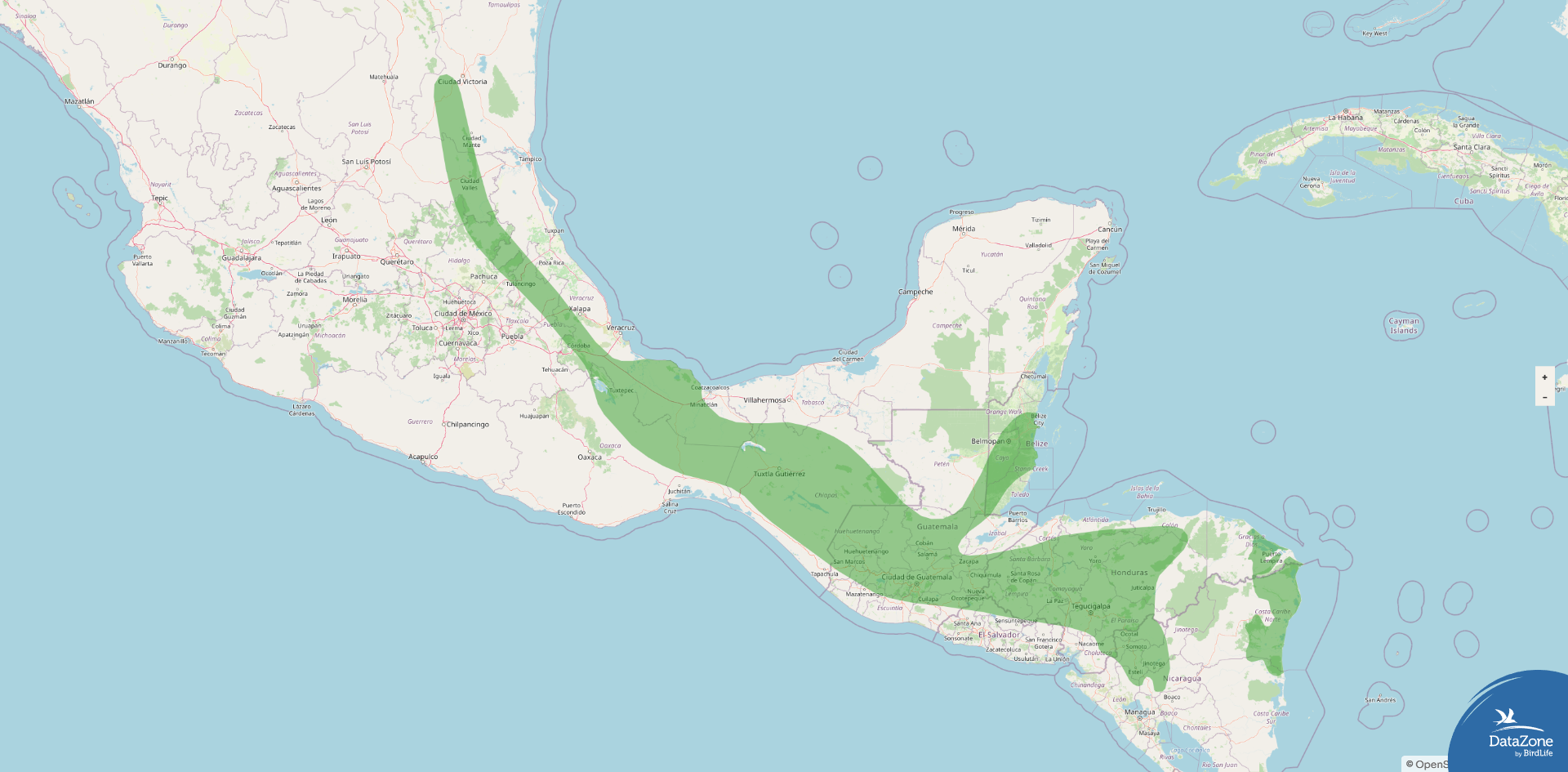
Legend
Green Resident
Species Overview
The Azure-crowned Hummingbird is a characteristic mid-elevation “emerald” of Mesoamerican mountain forests and agroforests. It is especially associated with forest edges, clearings, and shade coffee plantations, where it moves swiftly among flowering trees and shrubs. Its combination of green body, blue crown, and grayish underparts gives it a clean, elegant look in the cool, humid highlands.
Identification
Male
Males have bright green upperparts and a glittering azure-blue crown that can appear dull in shade but glows intensely in good light. The underparts are grayish to gray‑white with a faint green sheen on the flanks, and the tail is bronze‑green with darker undertones; the bill is straight and black. When the sun catches the crown, the blue contrasts vividly against the surrounding greenery, making perched males conspicuous at forest edges and along coffee rows.
Female
Females resemble males but are generally duller, with a less intense blue crown and slightly paler or more washed underparts. Their flanks may show a light buff‑gray wash, and the tail is somewhat more rounded with similar bronze‑green tones. Both sexes share a direct, agile flight and often give sharp calls while moving between flowers and perches in pine–oak and cloud forest.
Habitat and Behavior
Azure-crowned Hummingbirds prefer humid pine–oak and cloud forests, as well as adjacent clearings, second growth, and shade coffee farms between roughly 800 and 2,400 m. They feed primarily on nectar from a variety of forest and edge flowers, including shrubs and trees that bloom along forest borders and in agroforestry systems, and also catch small insects in mid‑air or pick them from foliage for protein. Males often perch conspicuously on exposed branches within their feeding territories, giving short chases and rapid, buzzing pursuits when intruders approach favored flower patches or leks.
Population and Threats
Azure-crowned Hummingbird is assessed as Least Concern, with an estimated global population of at least 500,000 mature individuals, but the overall trend is Decreasing. It remains locally common in many mid‑elevation forests and shaded coffee landscapes, yet deforestation, forest degradation, and conversion of montane forest and traditional shade coffee to full‑sun agriculture reduce the extent and quality of its habitat. Ongoing loss and fragmentation of humid and semi‑humid montane forest in Mexico and northern Central America are believed to be driving a slow decline even though the species is still widespread.

Conservation
Because Azure-crowned Hummingbirds use both natural forest and shade coffee, conservation of montane forest mosaics is crucial. Promoting shade‑grown coffee, preserving forest corridors, and protecting remaining tracts of pine–oak and cloud forest all help maintain habitat for this and many other highland hummingbirds. Efforts to curb deforestation in cloud forest belts and maintain structurally diverse, flower‑rich landscapes at mid‑elevations will support more stable populations in the future.
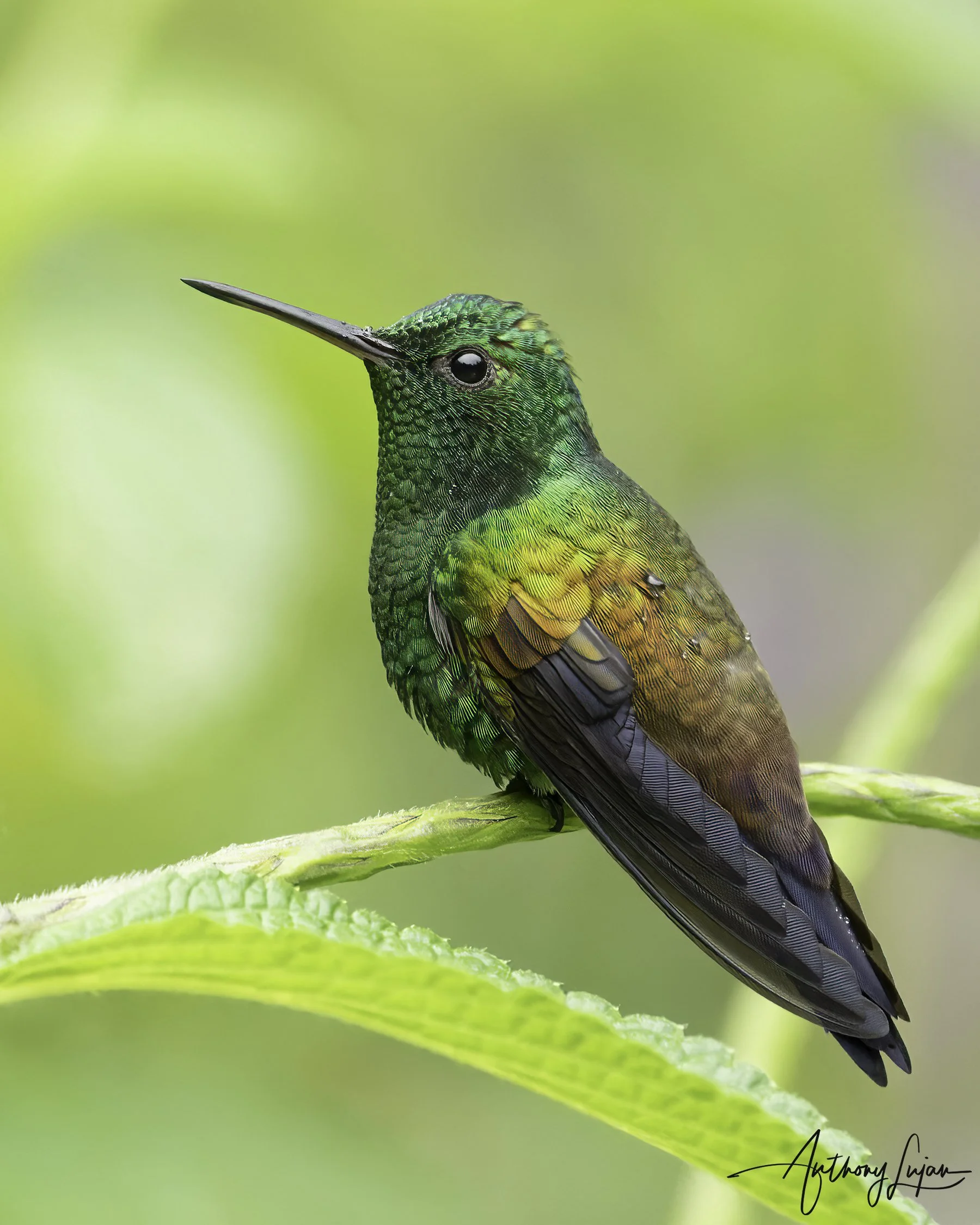
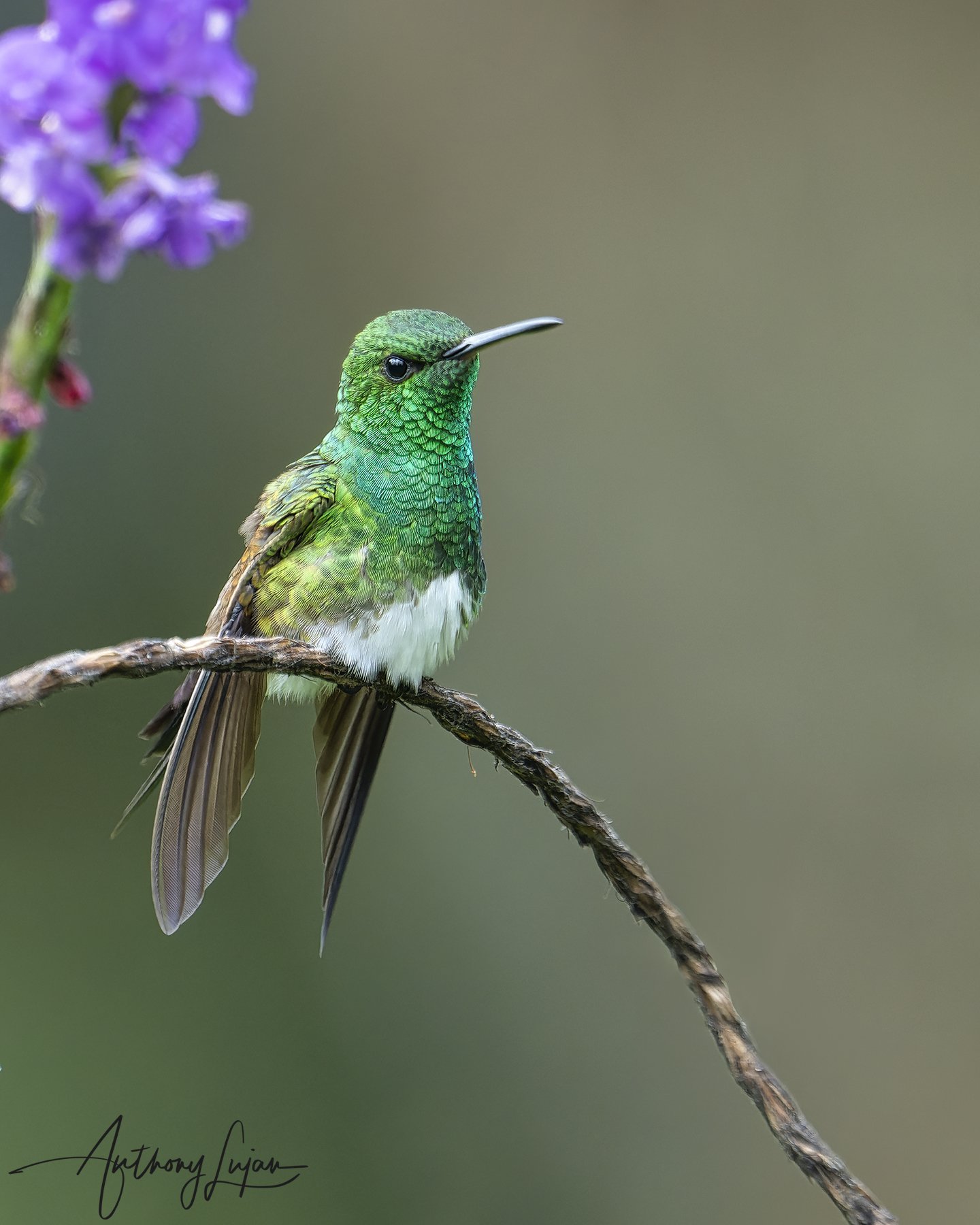
Below is the Azure-crowned Hummingbird (Saucerottia cyanocephala cyanocephala)
Photographed in Guatemala
This individual belongs to the nominate subspecies cyanocephala, which occurs from southern Mexico through Guatemala, El Salvador, and western Honduras. It inhabits pine-oak woodland, forest edge, and semi-open highland areas, typically between 1,000 and 2,500 meters elevation.


View all the videos by clicking the three lines in the top right corner for the playlist.
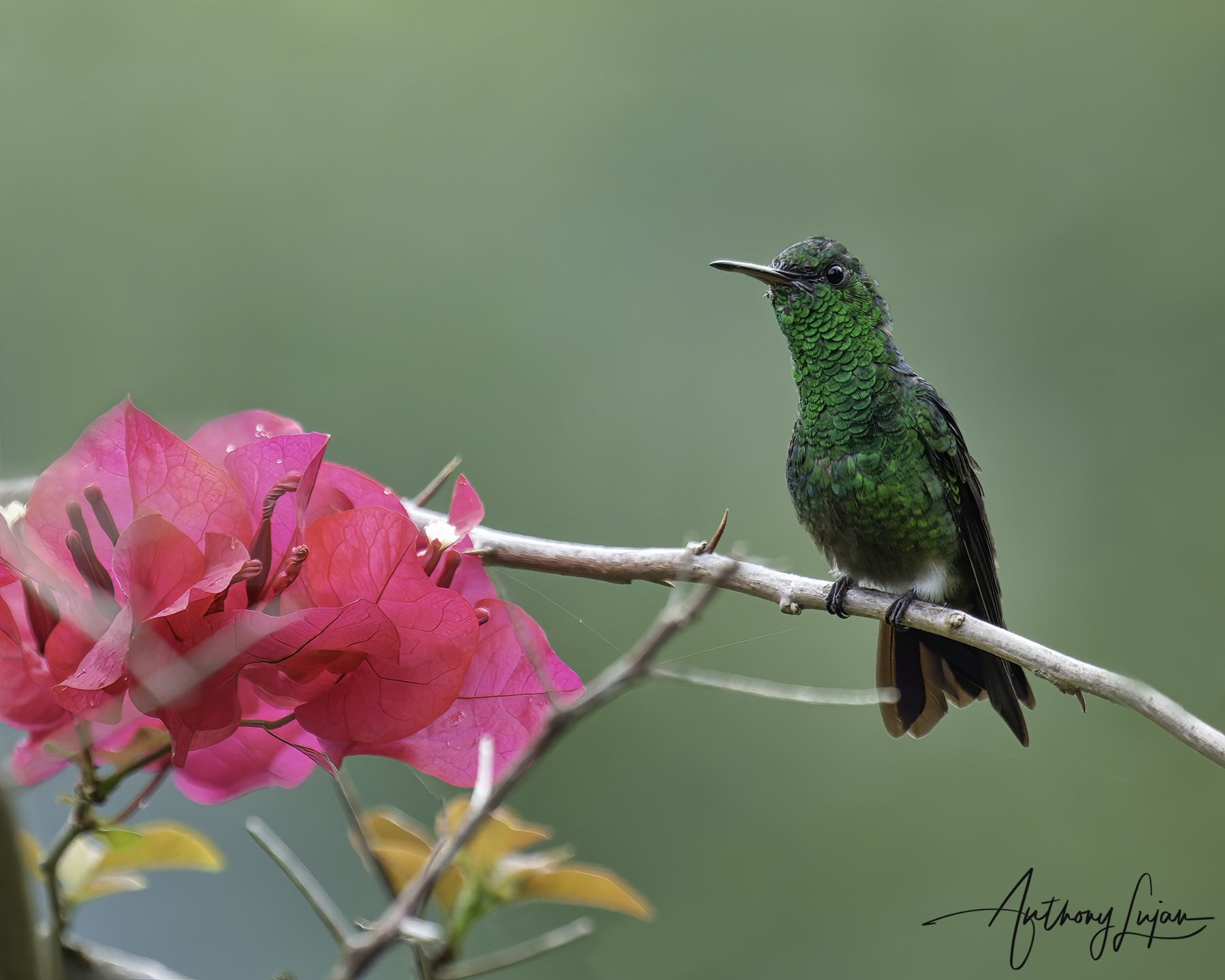
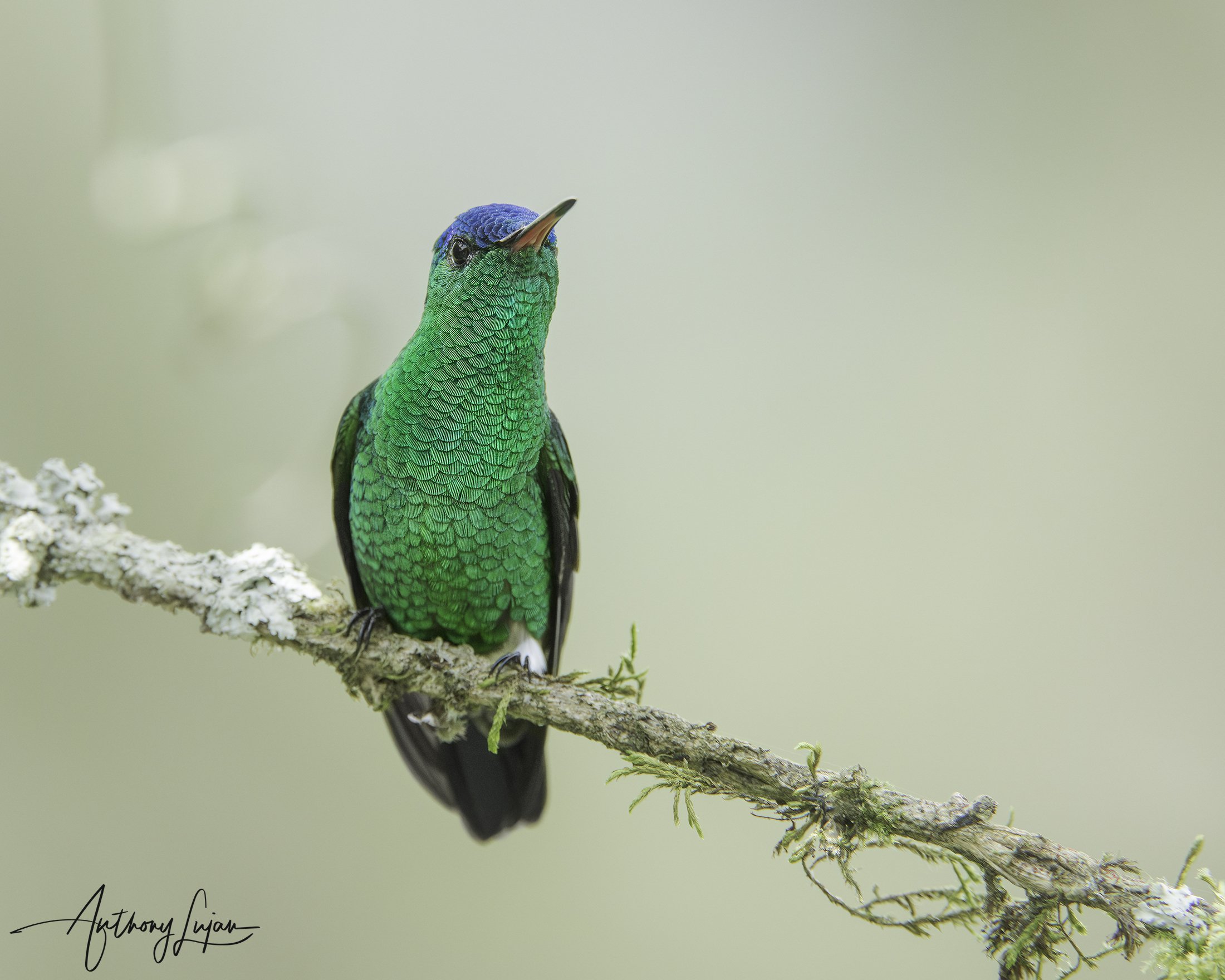
Related species in the Saucerottia genus (11 species total):



Please note: The content provided in this article reflects Anthony’s personal experience and photographic approach. Results can vary depending on light, weather, location, equipment, subject behavior, and field conditions.