
Puerto Rican Mango
Scientific name: Anthracothorax aurulentus
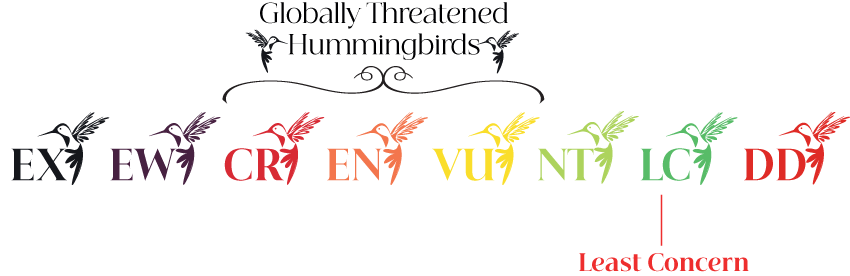
The Puerto Rican Mango is a large, long-billed hummingbird of lowland dry forest, scrub, forest edges, shade-coffee plantations, and gardens in Puerto Rico and the Virgin Islands. The number of mature individuals is unknown, the population trend is decreasing, it is not a migrant, and it is currently assessed as Least Concern.
At a Glance
Family: Trochilidae (hummingbirds)
Tribe: Polytminae – Mangoes
Genus: Anthracothorax — Mangoes
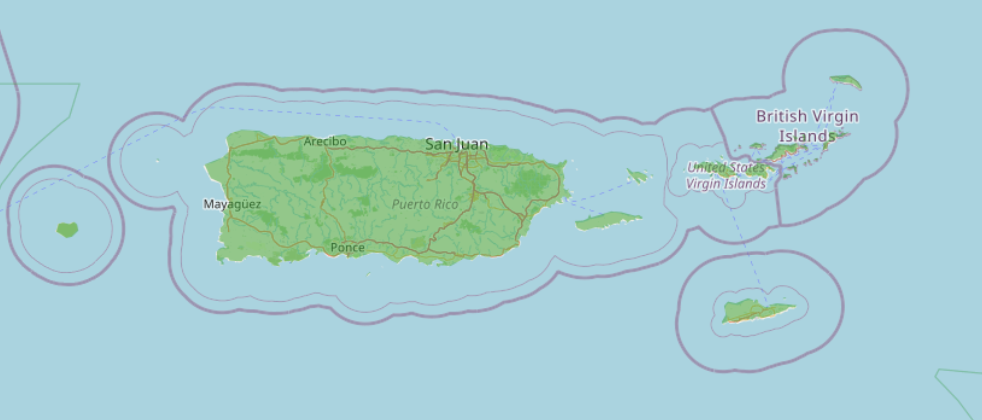
Range: Puerto Rico, Culebra, and scattered parts of the British and U.S. Virgin Islands
Habitat: Dry forest, scrub, forest clearings, coastal woodland, shade-coffee plantations, suburban gardens, and parks
Elevation: Mainly lowlands, usually below about 250 m (820 ft)
Length: About 11–12 cm (4.3–4.7 in)
Weight: About 5–7 g
Number of mature individuals: Unknown
Population trend: Decreasing
Movement: Not a migrant
IUCN Red List category: Least Concern
Subspecies: Monotypic — no subspecies recognized
Near-endemic to: Puerto Rico and the Virgin Islands
Name Origin
The genus name Anthracothorax combines Greek roots meaning “coal” or “charcoal” and “chest,” a reference to the dark breast pattern of mango hummingbirds. The species name aurulentus is Latin for “golden” or “golden‑gleaming,” referring to the bird’s glossy green and bronze iridescence. The common name reflects the species’ strong association with Puerto Rico, where it remains widespread and locally common.
Taxonomy
Anthracothorax aurulentus is a hummingbird in the mango group, traditionally placed in the subfamily Polytminae. It was formerly included within the broader Antillean Mango complex alongside the Hispaniolan Mango (Anthracothorax dominicus) but is now generally recognized as a distinct species. It is monotypic, with no recognized subspecies.
Subspecies
Monotypic — no subspecies recognized.
Distribution:
The Puerto Rican Mango occurs across much of Puerto Rico, including the offshore island of Culebra, and survives in scattered localities in the British and U.S. Virgin Islands. It is most numerous in the drier southern and western lowlands of Puerto Rico, including the Cabo Rojo, La Parguera, and Guánica regions. It is also found in gardens and forested settings in northern Puerto Rico and parts of the interior but is scarce in the wettest rainforest environments and uncommon in the eastern coastal lowlands.
The species has disappeared from Vieques, where it was formerly present, and has declined substantially across much of the Virgin Islands. It remains very local in that part of its range, with scattered recent records from islands including Culebra, Virgin Gorda, Anegada, Guana, Beef Island, St. Thomas, and St. John.
Ledged
Green Resident
Species Overview
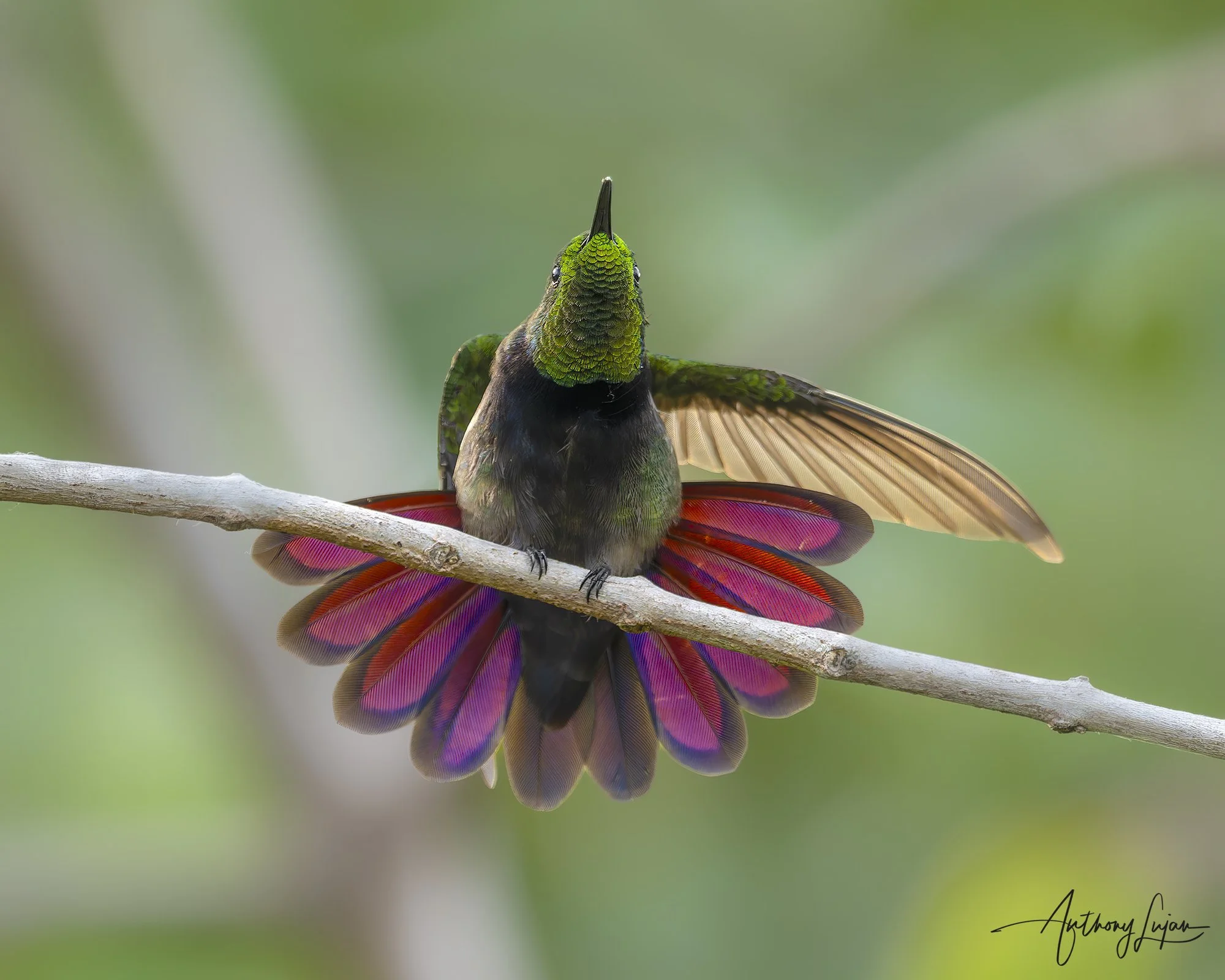
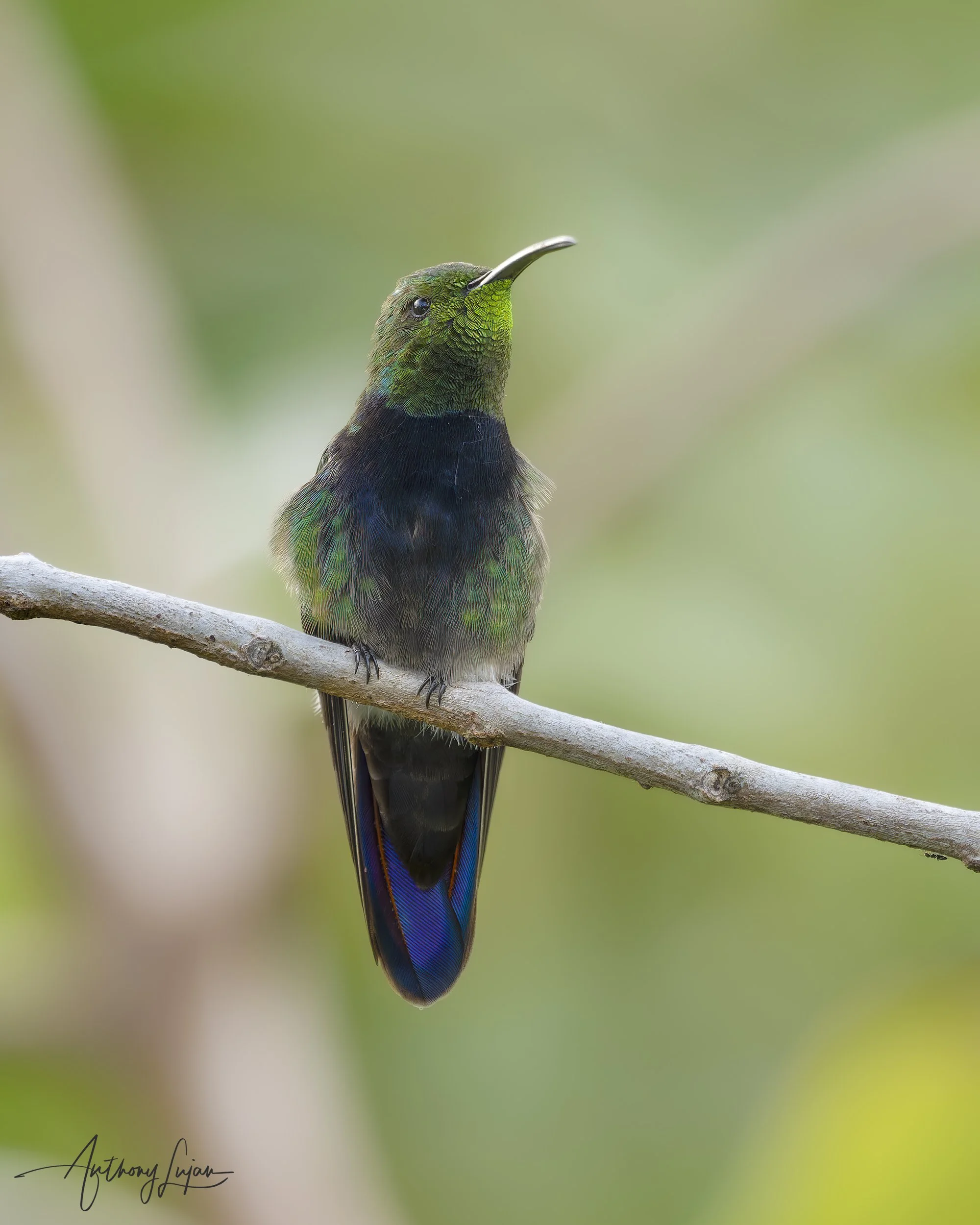
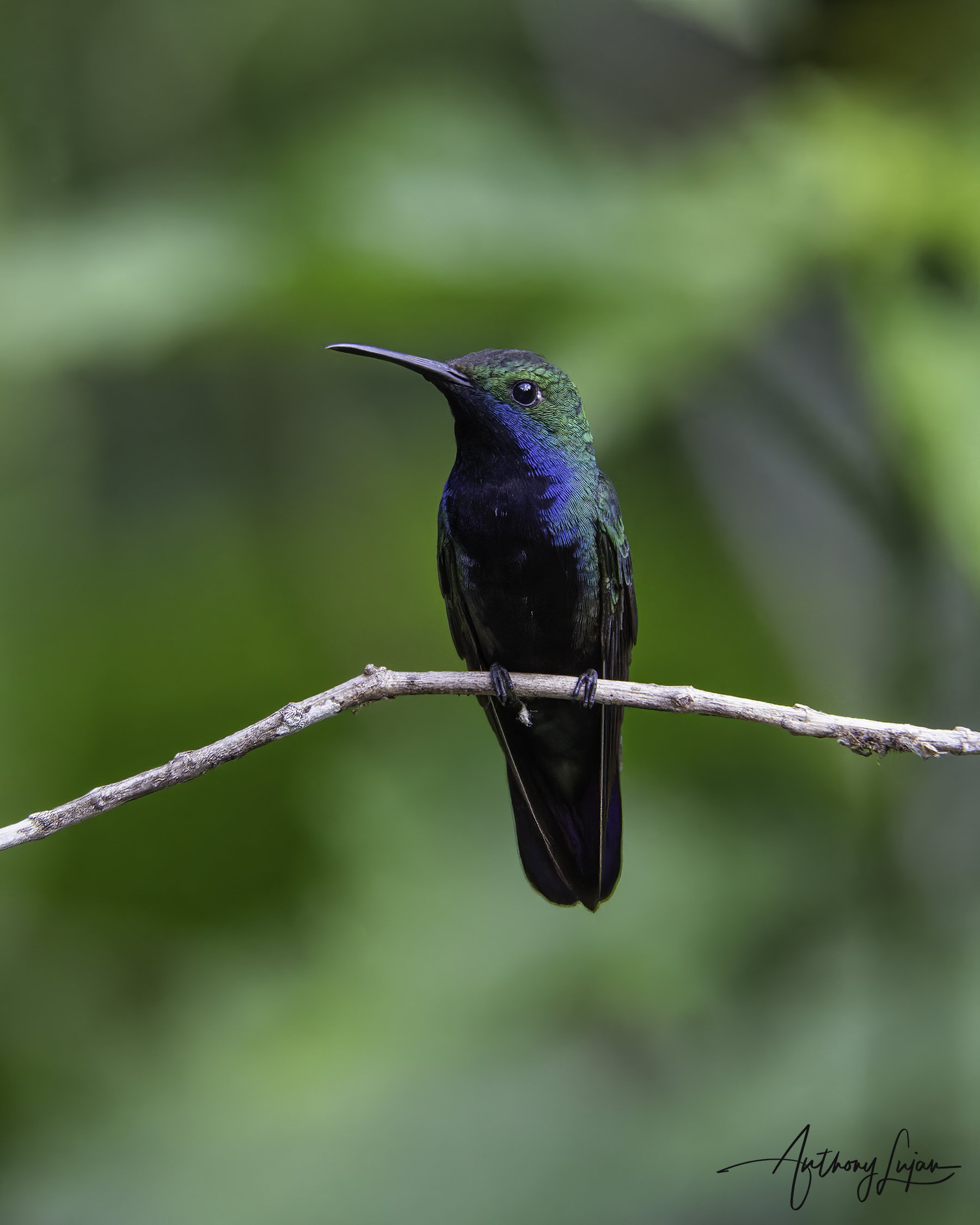
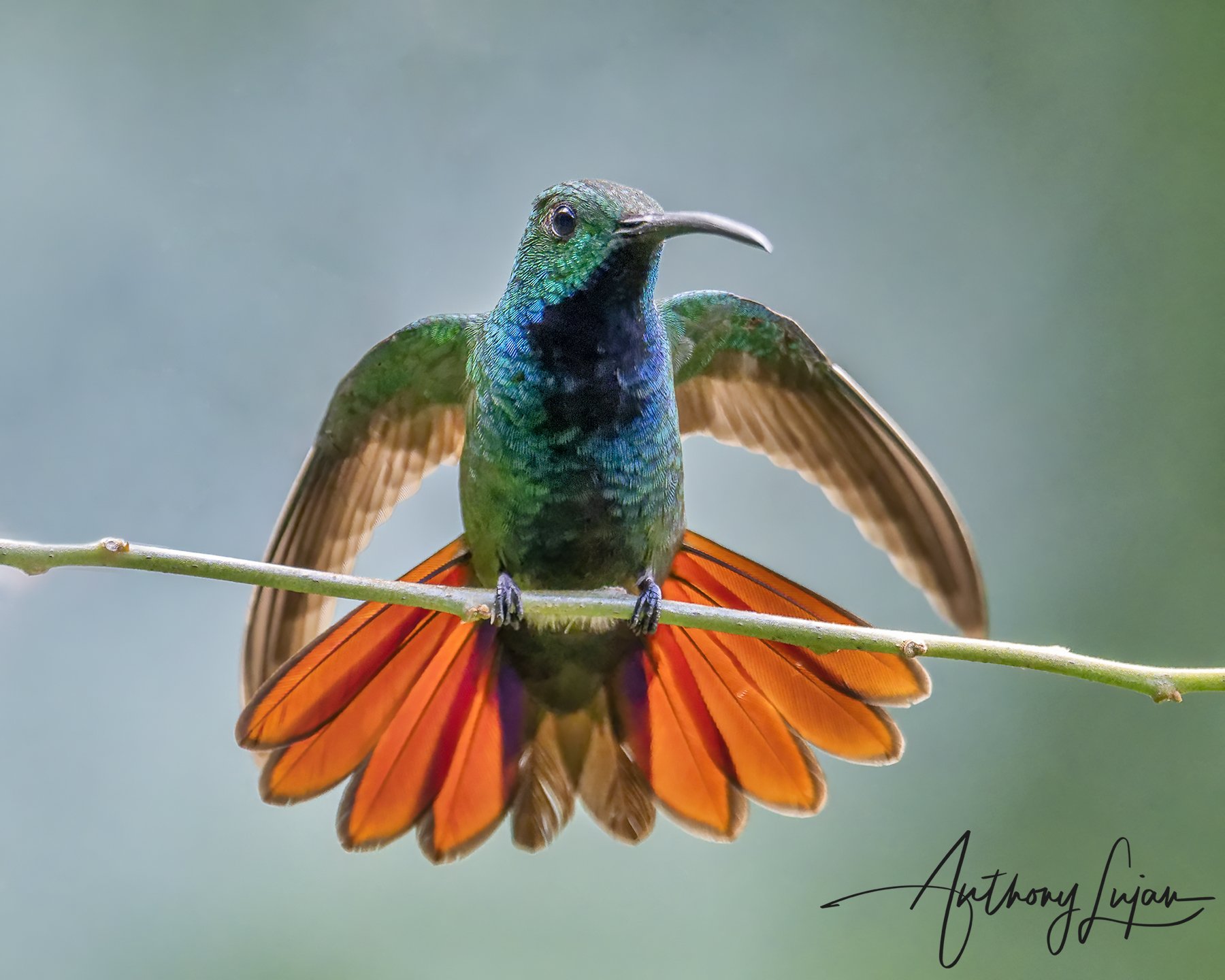
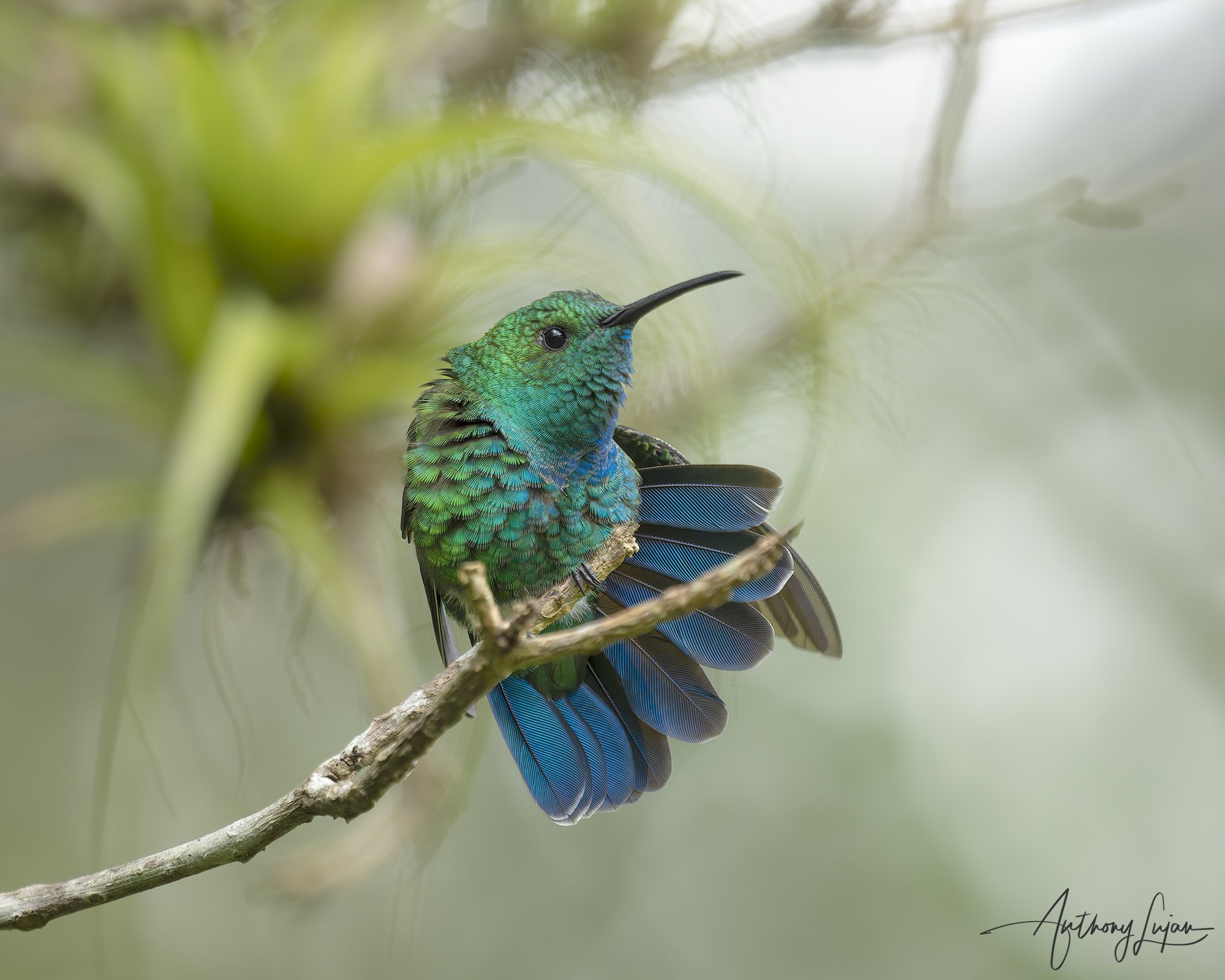
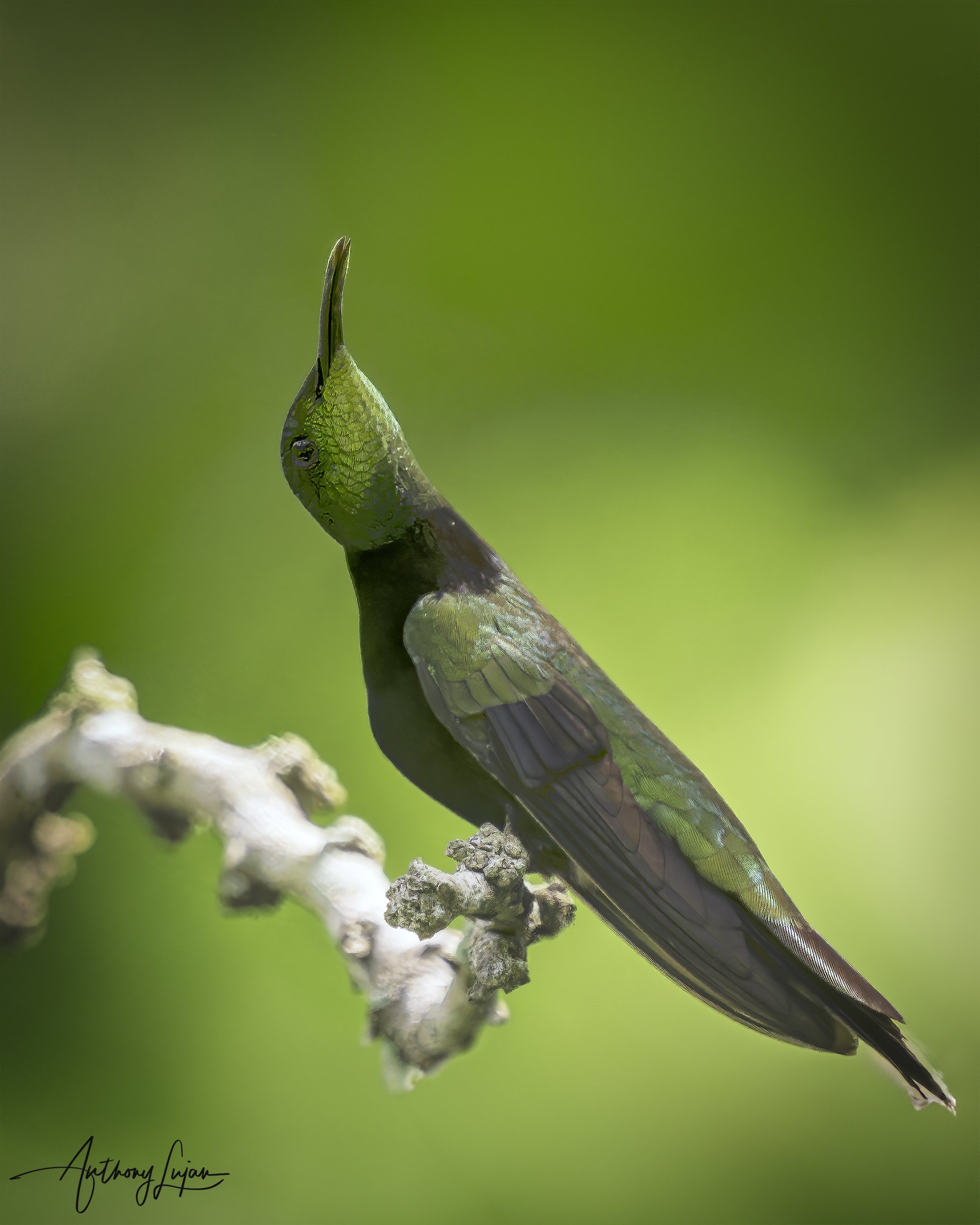
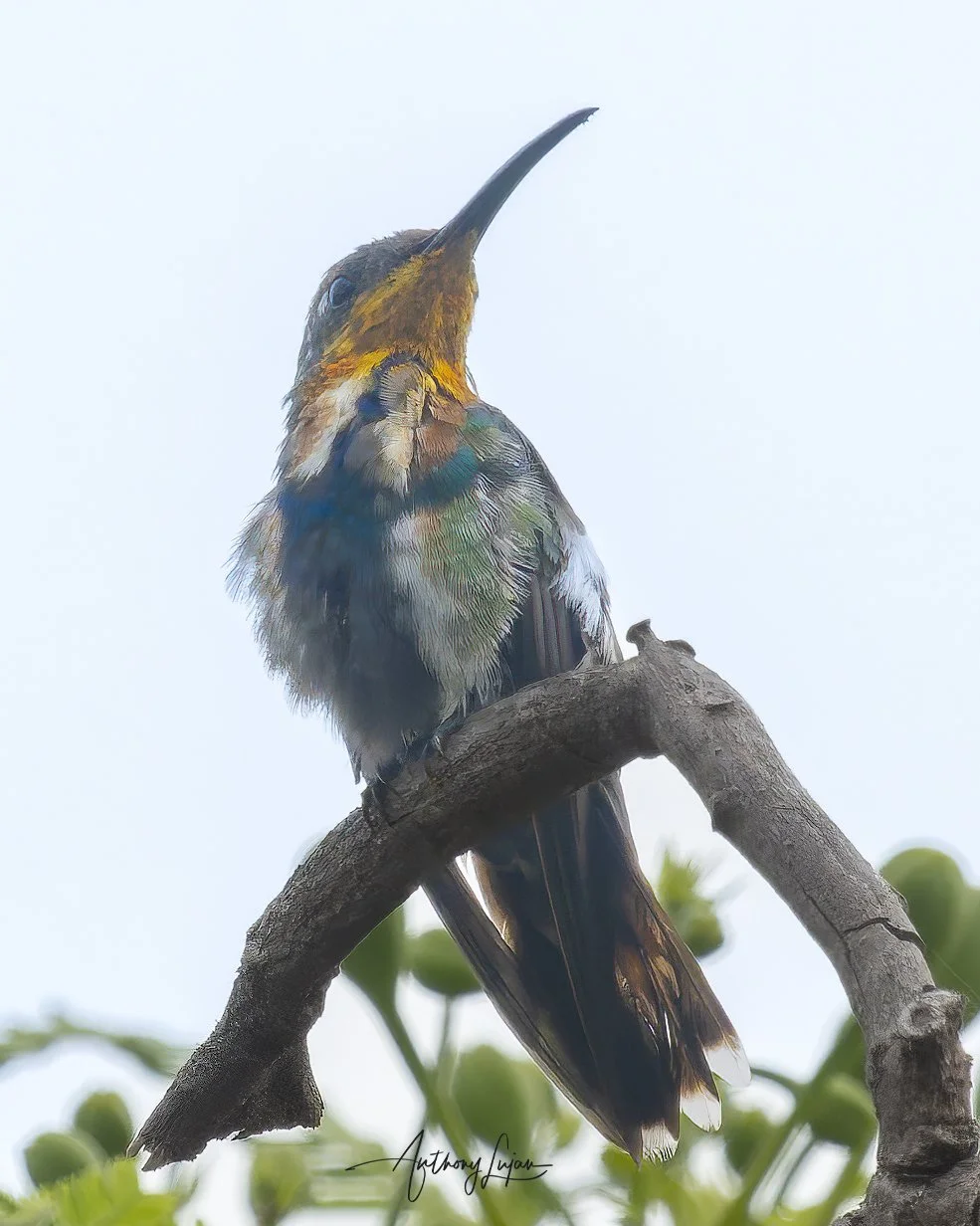
The Puerto Rican Mango is a medium-to-large hummingbird with a long, strongly decurved bill, glossy green upperparts, green flanks, a dark breast patch, and a violet to blue-black tail. It is a powerful and conspicuous species, especially around flowering trees and ornamental gardens in the drier portions of Puerto Rico. Males are darker and more richly iridescent, while females are paler below with a more subdued pattern.
Male Description
Males are about 11–12 cm long and weigh roughly 5–7 g. The upperparts are glossy bronze-green, often shining intensely in direct light. The throat is glittering green, while the breast has a distinctive black central patch; unlike the Hispaniolan Mango, the black does not extend across the entire underparts. The flanks remain bright green and the lower underparts are generally brownish-gray to grayish. The tail is dark violet or blue-black and slightly rounded. The long black bill is notably decurved, allowing the bird to reach nectar in deep, tubular flowers.
Female Description
Females are similar in general structure but are paler and less dramatic than males. Upperparts are metallic green, while the throat and underparts are mostly pale grayish to brownish-gray with green spotting or a greenish wash on the sides. The central black breast patch is much reduced or absent, and the tail is dark with pale tips to the outer feathers. The long curved bill remains an important identification feature. Juveniles resemble females but have duller, less glossy plumage and softer feather edges.
Habitat & Behavior
Puerto Rican Mangos occupy dry forest, scrub, coastal woodland, forest edges, clearings, shade-coffee plantations, gardens, and suburban green spaces. They occur mainly at low elevations, usually below about 250 m, and are particularly characteristic of the southern and western coastal lowlands. Unlike the Green Mango, they are not primarily montane forest birds and generally avoid the wettest interior rainforest.
They feed on nectar from a diverse range of native and cultivated flowering plants, using their long decurved bills to reach deep tubular blossoms. Small arthropods are also an important part of the diet; birds glean insects and spiders from foliage or catch them in short aerial sallies. Males frequently defend nectar-rich flowering trees or gardens, chasing rivals and other hummingbirds with fast, direct flights and sharp calls.
Breeding
Breeding information is limited, but nesting generally follows the typical mango hummingbird pattern. The female builds a small cup nest of plant fibers, down, and spiderweb, commonly decorated with lichens or bark fragments. Nests are placed on a horizontal branch, fork, or sheltered shrub, often in gardens, scrub, or forest-edge vegetation.
The clutch usually consists of two white eggs. The female alone incubates and raises the young, feeding nestlings a mixture of nectar and small arthropods. Nesting activity likely varies locally with rainfall and flowering cycles, allowing breeding to occur when nectar and insect resources are most abundant.
Movement
The Puerto Rican Mango is not a migrant. It remains resident throughout its lowland range in Puerto Rico and the Virgin Islands, although it may shift locally among flowering areas, gardens, forest edges, and seasonal scrub habitats as nectar resources change. These short movements are not considered regular migration.
Population
The number of mature individuals is unknown, and the overall population trend is decreasing. The species remains widespread and often locally common across appropriate lowland habitat in Puerto Rico, particularly in the south and west. However, it has vanished from Vieques and declined strongly across the Virgin Islands, where populations are now scattered and localized.
Conservation
The Puerto Rican Mango is classified as Least Concern because it remains widespread in Puerto Rico, can use gardens and other partly modified habitats, and is locally common in favorable areas. Its decreasing trend nevertheless reflects loss and degradation of dry forest and coastal scrub, conversion of land for development and agriculture, and contraction from small offshore islands. Competition with the Green-throated Carib may also have contributed to declines in the Virgin Islands and on Vieques. Protection of dry forest, coastal woodland, flowering gardens, and connected lowland habitat mosaics is important for the species’ long-term security.
Checkout Anthony’s playlist of this species! Click the top right dropdown to see all the videos.
Related species in the Anthracothorax genus (8 species total):

Please note: The content provided in this article reflects Anthony’s personal experience and photographic approach. Results can vary depending on light, weather, location, equipment, subject behavior, and field conditions.