
Attract More Hummingbirds by Deadheading Flowers
Introduction
Hummingbirds, like our favorite TV characters, frequent preferred spots. By making your garden one of their favorites, you can enjoy their presence all season long. A simple yet effective way to do this is by deadheading your flowers. This gardening task encourages continuous blooming, providing a consistent food source for hummingbirds.
Why Deadhead Flowers?
Extend Blooming Period
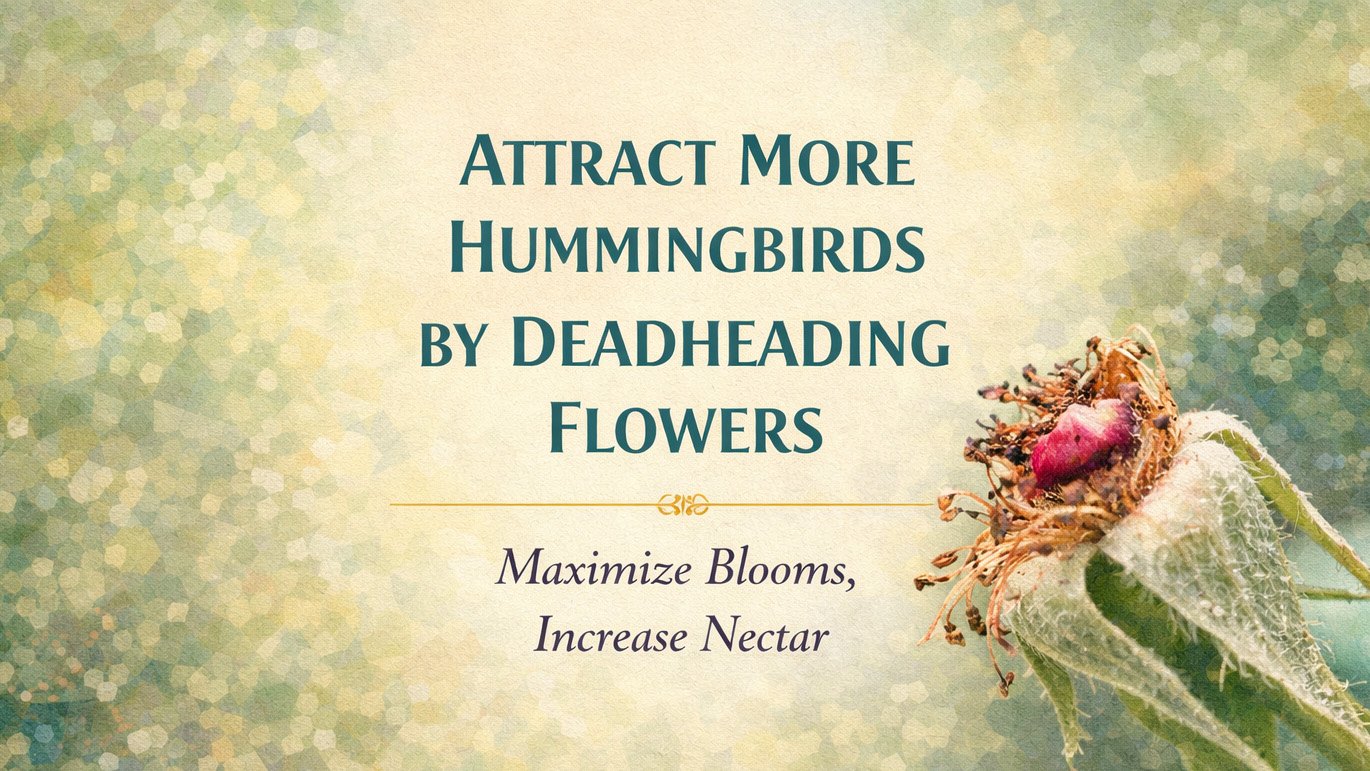
Deadheading removes spent blooms, prompting the plant to produce more flowers instead of seeds. This keeps your garden vibrant and attractive to hummingbirds.
Ideal Candidates for Deadheading
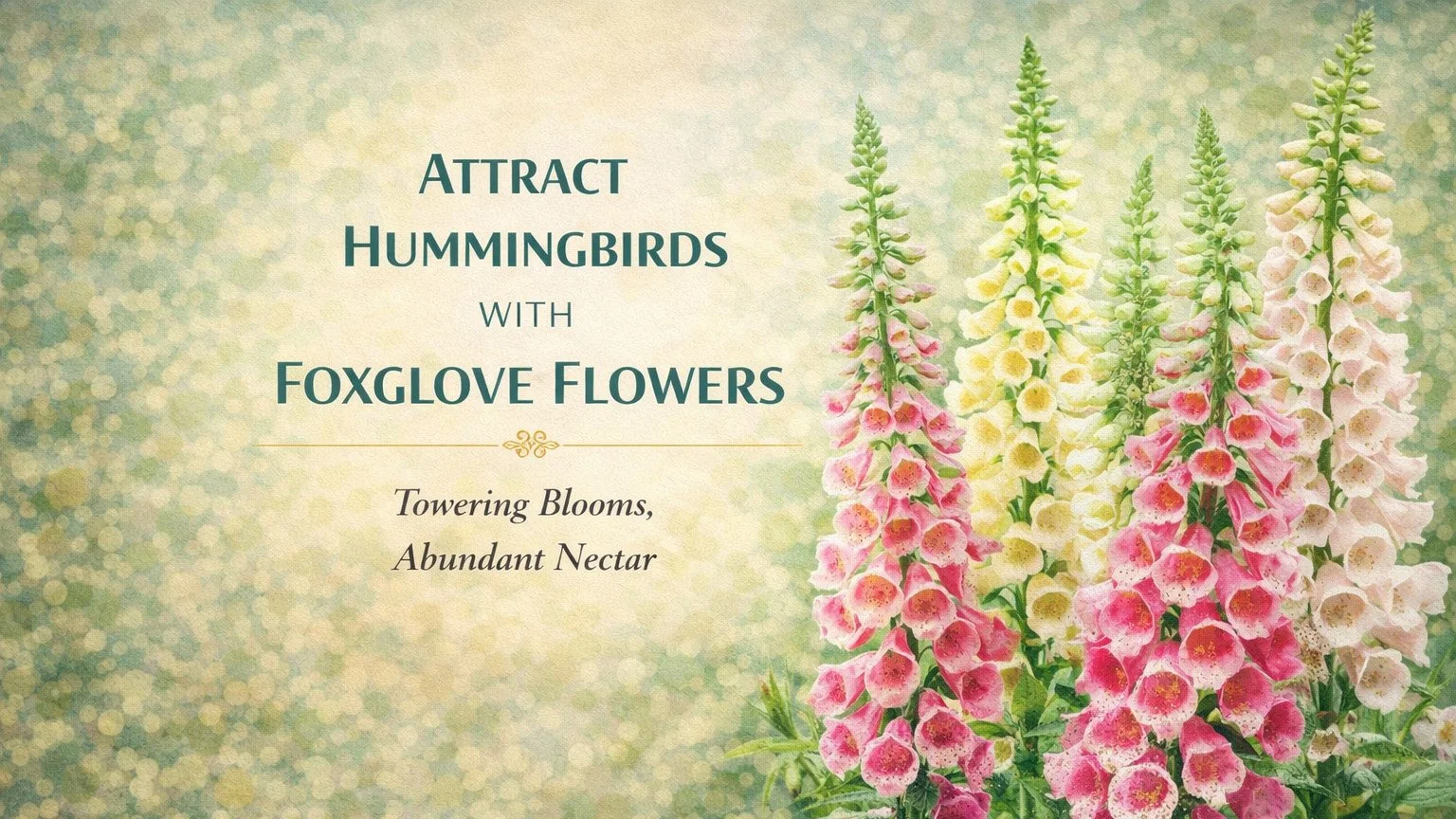
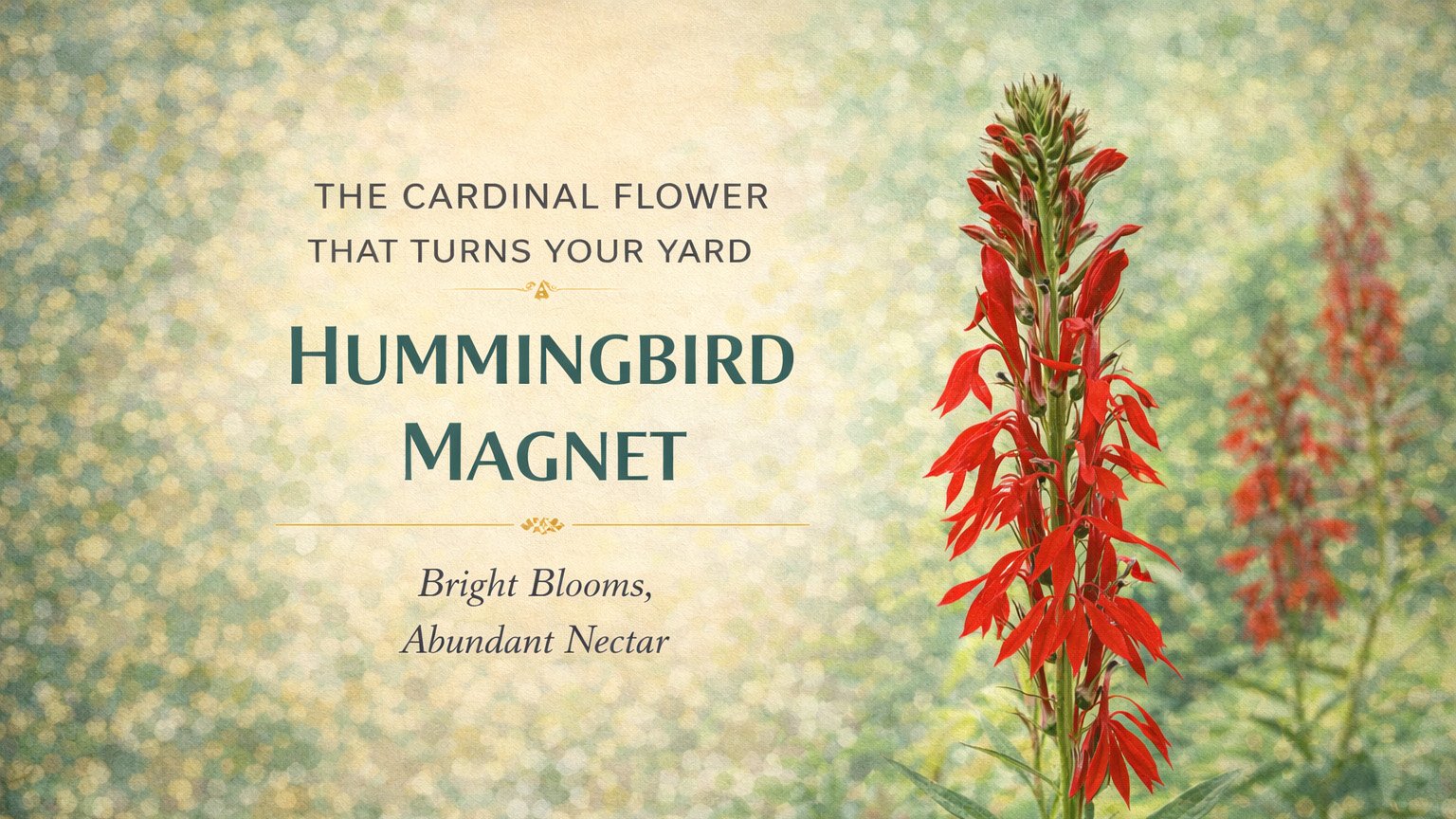
Flowers like bee balm, larkspur, campanula, and evening primrose respond well to deadheading, offering extended nectar sources. However, some flowers, like columbines, foxgloves, cardinal flowers, and hollyhocks, should be left to reseed naturally.
How to Deadhead
Technique
Use clean, sharp scissors or pruners to cut off the spent blooms just above the first set of healthy leaves. This encourages the plant to focus on new growth and blooms.
Frequency
Regularly inspect your garden and deadhead as needed throughout the blooming season to maintain a fresh and appealing environment for hummingbirds.
Conclusion
By incorporating deadheading into your gardening routine, you can ensure a steady supply of blooms, attracting more hummingbirds to your garden. This simple task not only enhances your garden's beauty but also provides a reliable food source for these delightful birds.
Frequently Asked Questions
Deadheading flowers is a simple gardening practice, but it can make a noticeable difference in how many hummingbirds visit your yard. By encouraging plants to produce more blooms, you create a steady nectar source that hummingbirds rely on throughout the season. Here are some common questions people ask about deadheading flowers and attracting more hummingbirds to their garden.
-
Deadheading is the process of removing faded or spent flowers from a plant. This encourages the plant to produce new blooms instead of using energy to create seeds.
-
When you remove old flowers, many plants respond by producing additional blooms. More blooms mean more nectar, which can attract hummingbirds more consistently to your garden.
-
Many nectar-producing plants benefit from deadheading, including salvia, bee balm, petunias, and other hummingbird-friendly flowers.
-
Deadheading can be done regularly throughout the growing season whenever flowers begin to fade. Frequent maintenance can help plants continue blooming longer.
-
Not all plants require deadheading. Some varieties naturally drop old blooms or continue flowering without maintenance, but many garden flowers respond well to the practice.

Please note: The content provided in this article is for educational purposes only and is intended as general information. Results can vary depending on climate, growing conditions, plant variety, and regional differences.