
Introduction
Hummingbirds are a delightful addition to any garden, and one way to attract them is by planting flowers they love. The Ever Sapphire Agapanthus, also known as Lily of the Nile, is an excellent choice. This guide will cover everything you need to know about planting and caring for this vibrant blue flower to create a hummingbird-friendly garden.
Choosing the Right Plant
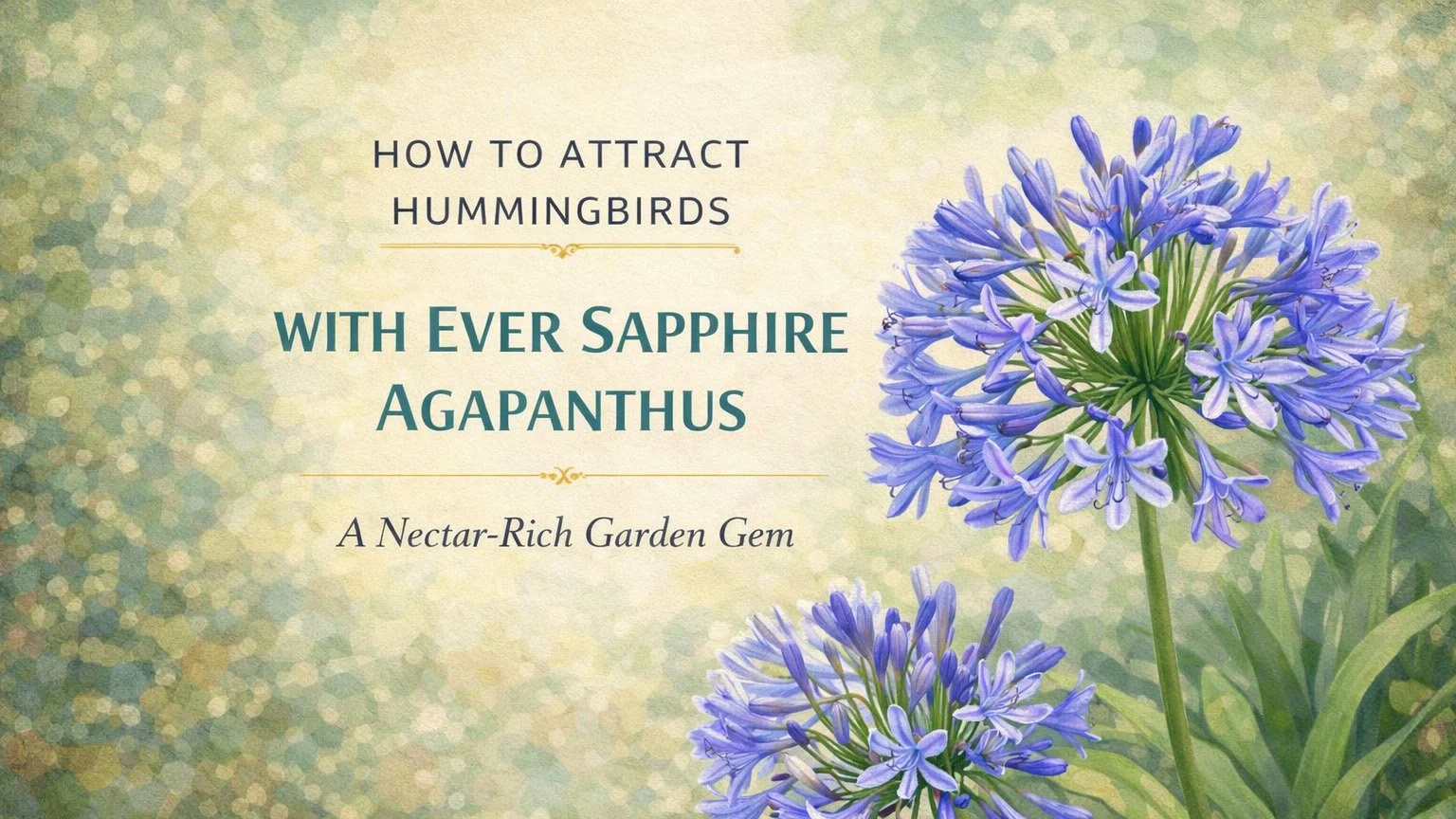
Why Hummingbirds Love Agapanthus: The Ever Sapphire Agapanthus boasts vibrant blue, trumpet-shaped blooms that are perfect for hummingbirds. The color and shape of these flowers naturally attract these birds, making them a favorite food source.
Characteristics: These plants are prolific bloomers with flower stocks ranging from 12 to 24 inches tall. They are easy to grow, pest-resistant, and suitable for various garden styles, including rock, coastal, and cottage gardens.
Planting Ever Sapphire Agapanthus
Optimal Conditions: Ever Sapphire Agapanthus thrives in nutrient-rich soil with good drainage. They can tolerate various soil types, including dry, clay, loamy, and sandy soils. While they prefer full sunlight, they can also grow in partial shade, especially in hotter climates.
Planting Tips:
Soil Preparation: Ensure the soil is moist before planting. Dig a hole about an inch deep to place the bulb root.
Spacing: Space the plants 1 to 2 feet apart to allow room for growth.
Watering: Water the soil thoroughly after planting and keep it moist until the plants are established.
Care and Maintenance
Watering Needs: Once established, Agapanthus is drought-tolerant and only needs watering during dry periods. Young plants require regular watering to establish their roots.
Fertilizing: These plants are moderate feeders. Use a light fertilizer during the growing season to support their health and blooming.
Pruning and Dividing: Agapanthus has a clump-forming habit. Divide the plants every three to four years in the spring to prevent overcrowding and promote healthy growth.
Winter Care: In colder regions, add mulch to protect the plants from freezing temperatures. Potted plants can be moved indoors during winter months.
Creating a Hummingbird-Friendly Garden
Companion Plants: Pair Ever Sapphire Agapanthus with other hummingbird-friendly flowers like butterfly weed, red hot poker, and Crocosmia 'Lucifer'. These combinations can enhance the appeal of your garden to hummingbirds.
Avoid Pesticides: Hummingbirds also feed on insects, so avoid using pesticides in your garden to provide a natural food source.
Additional Habitat: Include small shrubs or trees near your flower beds to offer nesting spots for hummingbirds, making your garden a perfect home for them.
Conclusion
Planting Ever Sapphire Agapanthus is a fantastic way to attract hummingbirds to your garden. With its vibrant blue blooms and easy-care nature, this flower is perfect for creating a hummingbird haven. By following the planting and care tips provided, you can enjoy the beauty of these delightful birds in your garden.
Frequently Asked Questions
Because planting the right flowers can make a big difference in attracting hummingbirds, many gardeners have questions about which plants work best and how hummingbirds use them. Here are some common questions people ask about Ever Sapphire Agapanthus and attracting hummingbirds to your garden.
-
The vibrant blue color and trumpet-shaped blooms of Agapanthus are highly attractive to hummingbirds, providing an ideal food source.
-
Water young plants regularly until established. Once mature, water only during dry periods.
-
Agapanthus thrives in nutrient-rich soil with good drainage but can tolerate various soil types.
-
Yes, Ever Sapphire Agapanthus can thrive in containers. Ensure they have adequate space and proper drainage.
-
Add mulch to garden beds or move potted plants indoors in colder regions to protect them from freezing temperatures.
-
Companion plants like butterfly weed, red hot poker, and Crocosmia 'Lucifer' are also excellent for attracting hummingbirds.
Please note: The content provided in this article is for educational purposes only and is intended as general information. Results can vary depending on climate, growing conditions, plant variety, and regional differences.