
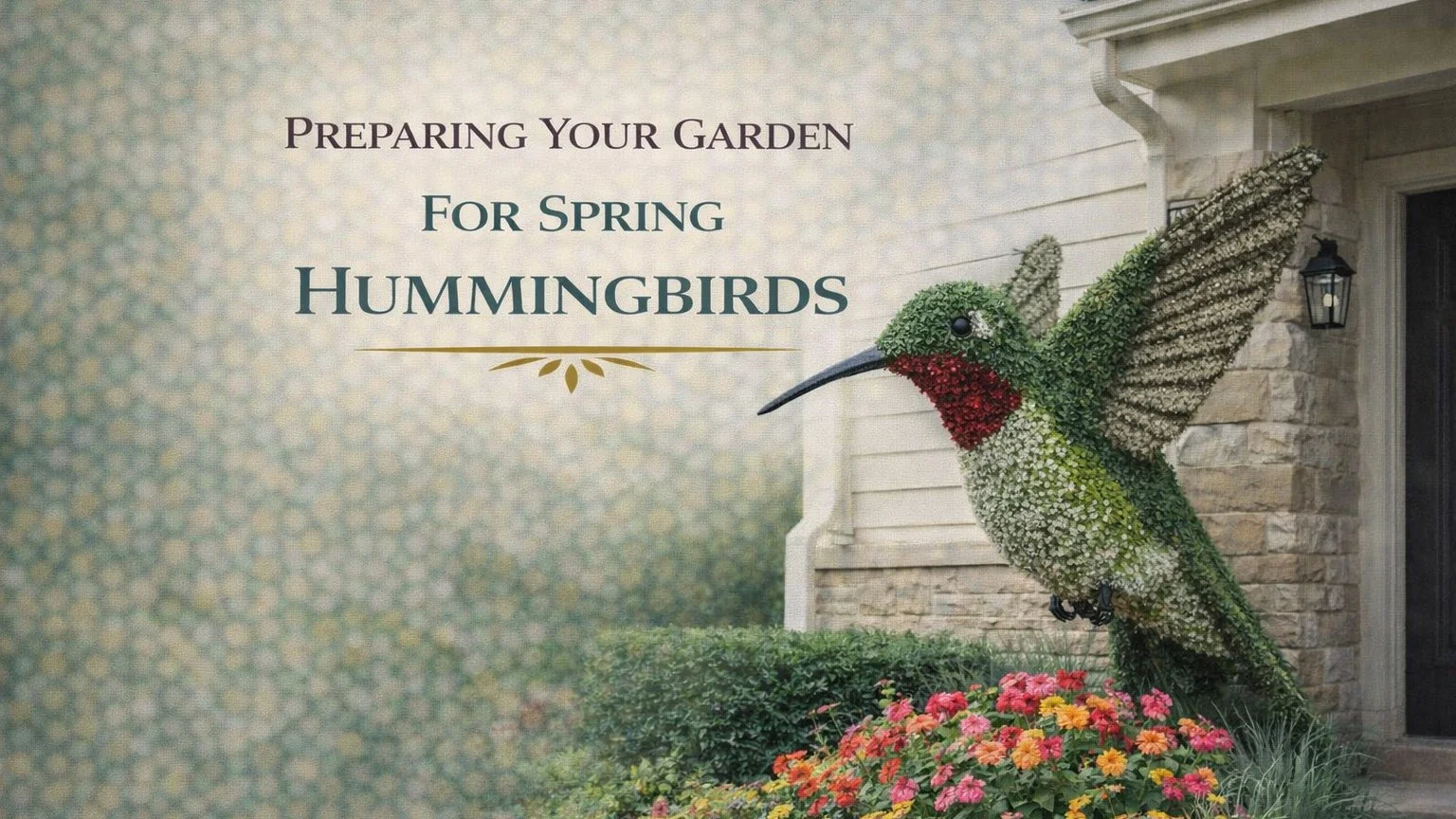
Preparing Your Garden for Spring Hummingbirds
As spring approaches and hummingbirds begin their annual migration, many gardeners start preparing their outdoor spaces to welcome these remarkable birds. A well-prepared garden can provide important nectar sources, shelter, and resting spots for hummingbirds arriving after long journeys.
While hummingbird feeders can provide supplemental nectar, flowering plants remain the most natural and reliable food source. By preparing your garden early in the season, you can help ensure that when hummingbirds arrive, they will find a welcoming habitat filled with nectar-rich blooms.
Even small gardens, patios, or balconies can attract hummingbirds when the right plants and features are present.
Start with Nectar-Rich Flowers
Flowers that produce abundant nectar are the foundation of any hummingbird-friendly garden. Brightly colored tubular flowers are particularly attractive because their shape allows hummingbirds to easily reach the nectar inside.
Several plants are especially well known for attracting hummingbirds, including:
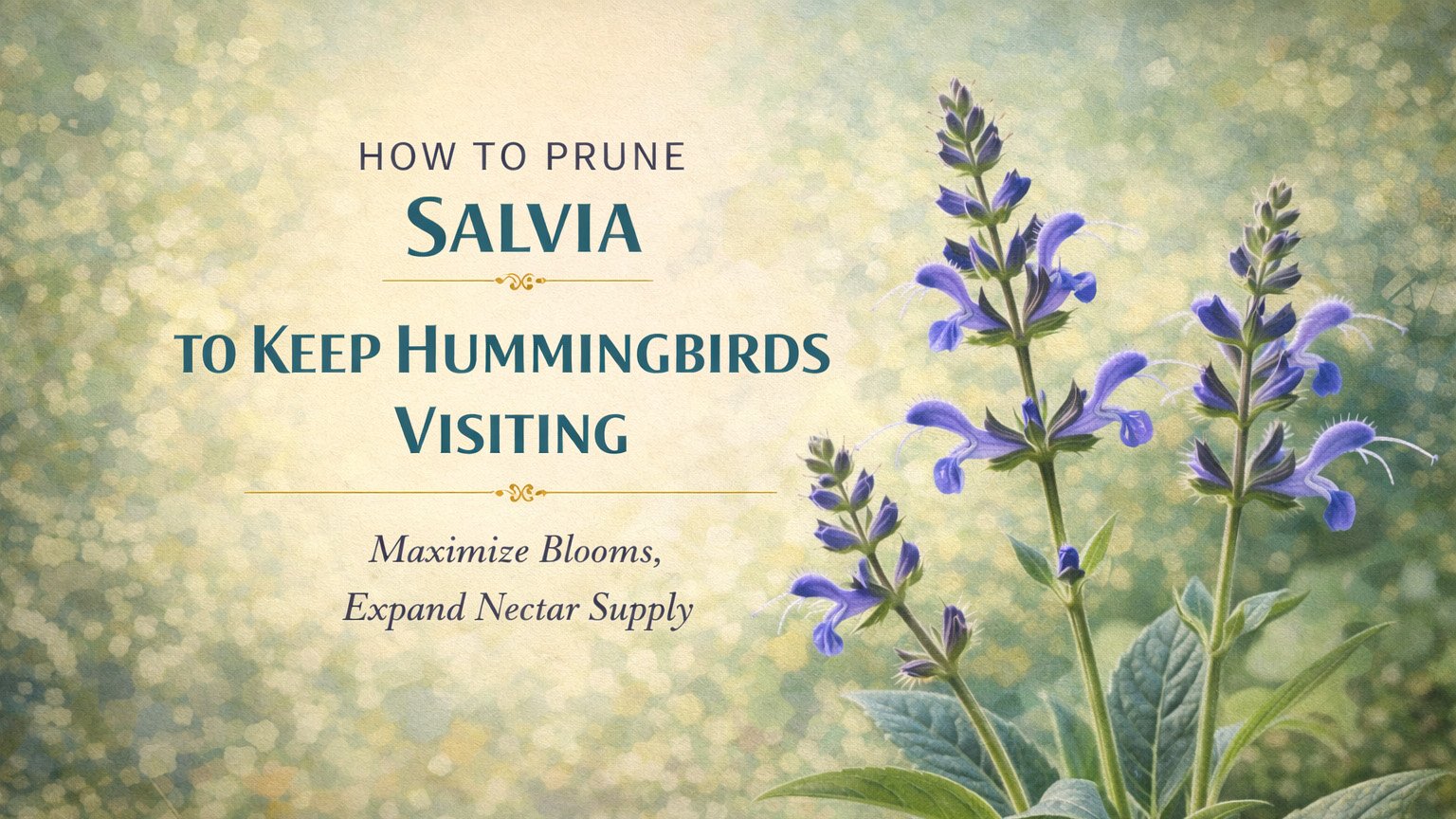
Salvia (Salvia spp.)
Bee balm (Monarda spp.)
Penstemon (Penstemon spp.)
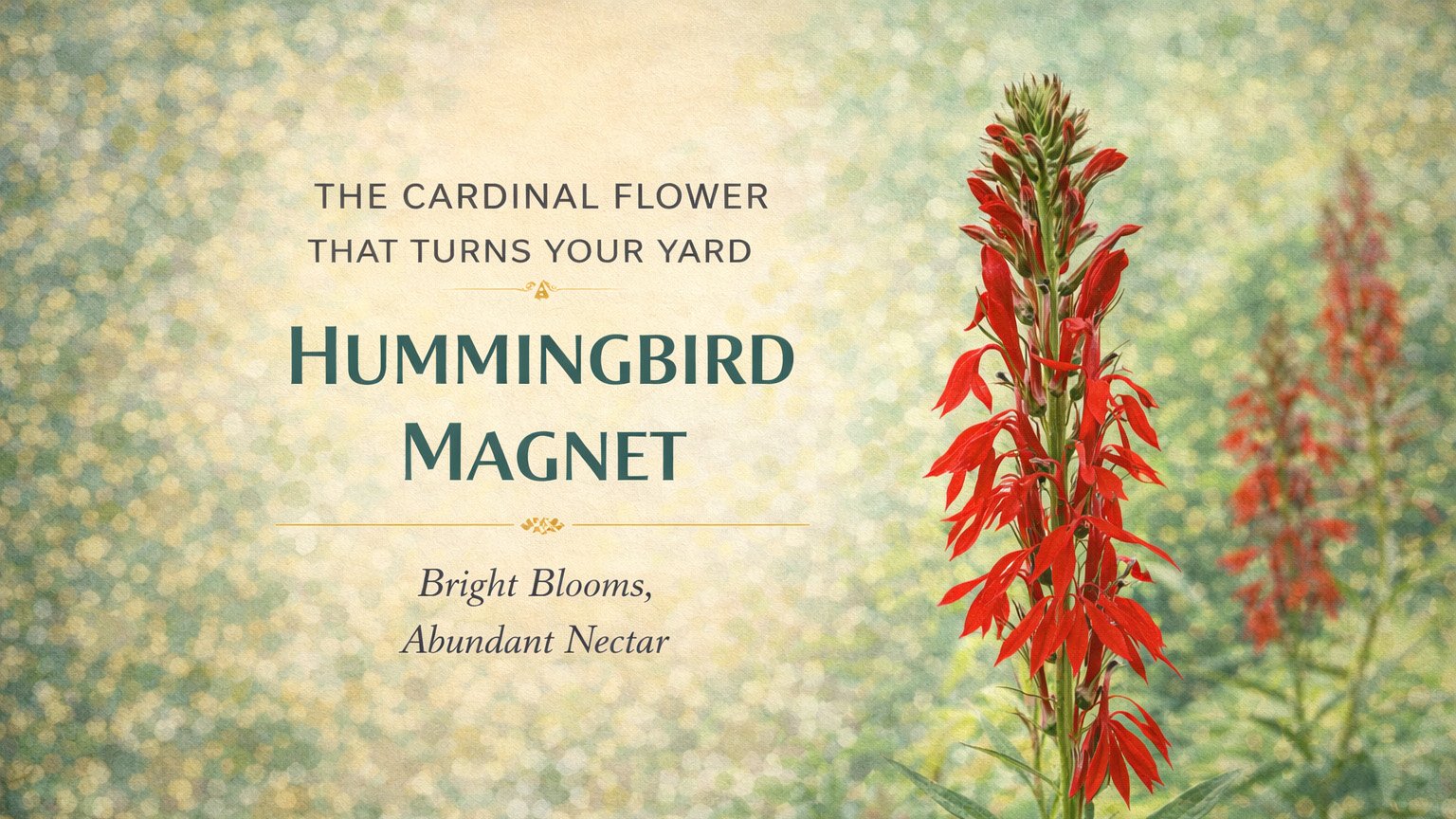
Cardinal flower (Lobelia cardinalis)
Trumpet vine (Campsis radicans)
Planting a variety of flowers that bloom at different times throughout the season helps provide a continuous nectar supply from spring through fall.
Provide Shelter and Perching Areas
Hummingbirds do not spend all of their time feeding. Between visits to flowers, they often rest on nearby branches where they can observe their surroundings.
Small trees, shrubs, and garden structures can provide useful perching spots. These areas allow hummingbirds to rest, preen, and watch over feeding territories.
Leaving some natural vegetation in your garden can also create additional shelter from wind and predators.
Add Water Features
Although hummingbirds obtain most of their hydration from nectar and insects, they are often attracted to moving water.
Simple water features such as:
bird baths
misters
small fountains
dripping water features
can attract hummingbirds looking to bathe or cool off during warm weather.
Moving water is especially attractive because the sound and sparkle can catch a hummingbird’s attention from a distance.
Maintain a Safe Habitat
Creating a hummingbird-friendly garden also involves reducing potential hazards. Avoid using pesticides that may harm insects hummingbirds rely on for protein.
Keeping feeders and garden areas clean can also help prevent unwanted pests from interfering with hummingbird feeding areas.
Providing natural cover and minimizing disturbances can help hummingbirds feel comfortable returning regularly.
A Garden That Welcomes Hummingbirds
Preparing your garden before hummingbirds arrive each spring can make a meaningful difference. When nectar-rich flowers, water sources, and safe resting areas are available, hummingbirds are more likely to visit frequently.
With a little planning, your garden can become a reliable stop for hummingbirds as they migrate, feed, and raise their young throughout the season.
Frequently Asked Questions
Many gardeners interested in attracting hummingbirds have questions about how to prepare their gardens before hummingbirds return in spring. Here are some common questions about creating a hummingbird-friendly garden.
-
Flowers with bright colors and tubular shapes are often especially attractive. Popular choices include salvia, bee balm, penstemon, cardinal flower, and trumpet vine.
-
Hummingbirds naturally feed from flowers but will also visit feeders as a supplemental nectar source.
-
Yes. Even small gardens, balconies, and container plantings can attract hummingbirds when nectar-rich plants are present.
-
While they obtain much moisture from nectar, hummingbirds are often attracted to moving water features such as misters or fountains.
-
Yes. Hummingbirds rely on insects as an important source of protein, and pesticides can reduce this food supply.
Please note: The content provided in this article is for educational purposes only and is intended as general information. Results can vary depending on climate, growing conditions, plant variety, and regional differences.