
Introduction
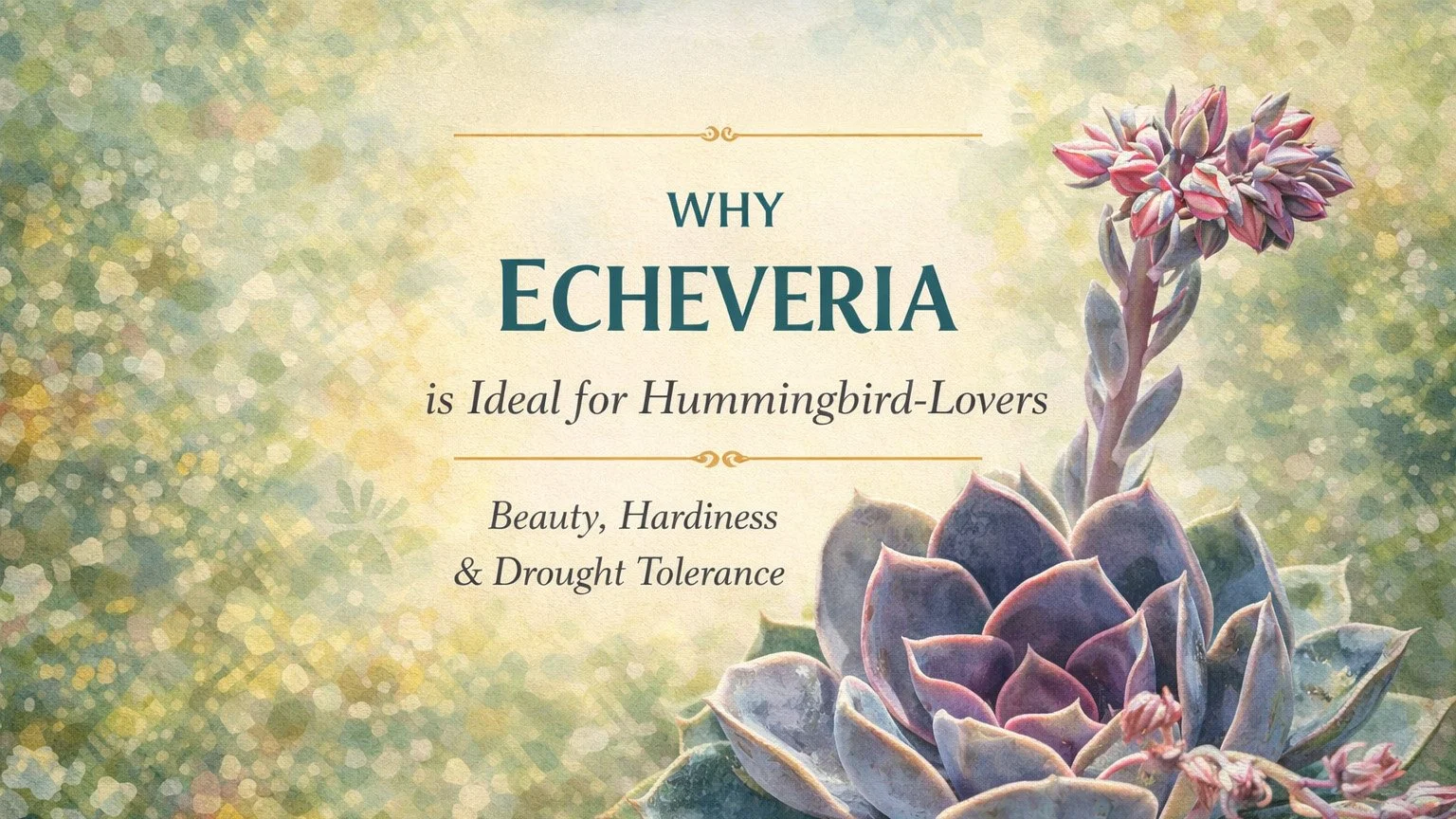
Echeveria is a popular succulent known for its rosette shape and vibrant colors. Not only is it aesthetically pleasing, but it also attracts hummingbirds, making it a fantastic addition to any garden.
Benefits of Echeveria
Attracts Hummingbirds
Nectar-Rich Blooms: Echeveria produces nectar-rich flowers that attract hummingbirds.
Long Blooming Season: These succulents bloom from spring to fall, providing a consistent food source.
Planting and Care Tips
Optimal Conditions
Sunlight: Thrives in full sun.
Soil: Prefers well-drained, sandy soil.
Watering: Water sparingly; allow soil to dry out between waterings.
Maintenance
Pruning: Remove dead leaves and spent blooms to encourage new growth.
Fertilizing: Use a balanced, slow-release fertilizer in spring.
Conclusion
Echeveria is an excellent choice for gardeners looking to attract hummingbirds. Its vibrant flowers and easy maintenance make it a valuable addition to any garden.
Frequently Asked Questions
Succulents like echeveria are often appreciated for their beautiful rosettes and low-maintenance care, but many gardeners are surprised to learn that they can also support hummingbirds when they bloom. Their tall flower stalks produce nectar that hummingbirds readily visit. Here are some common questions people ask about echeveria plants and how they can attract hummingbirds to a garden.
-
Yes. When echeveria plants bloom, they produce nectar-rich flowers on tall stalks that hummingbirds can easily access.
-
Many echeveria species bloom in late winter through spring, although the exact timing can vary depending on the climate and plant variety.
-
Echeveria can be a great addition to hummingbird-friendly gardens, especially in dry climates where drought-tolerant plants are needed.
-
Echeveria thrive in well-draining soil, plenty of sunlight, and minimal watering. Overwatering is one of the most common problems when growing these succulents.
-
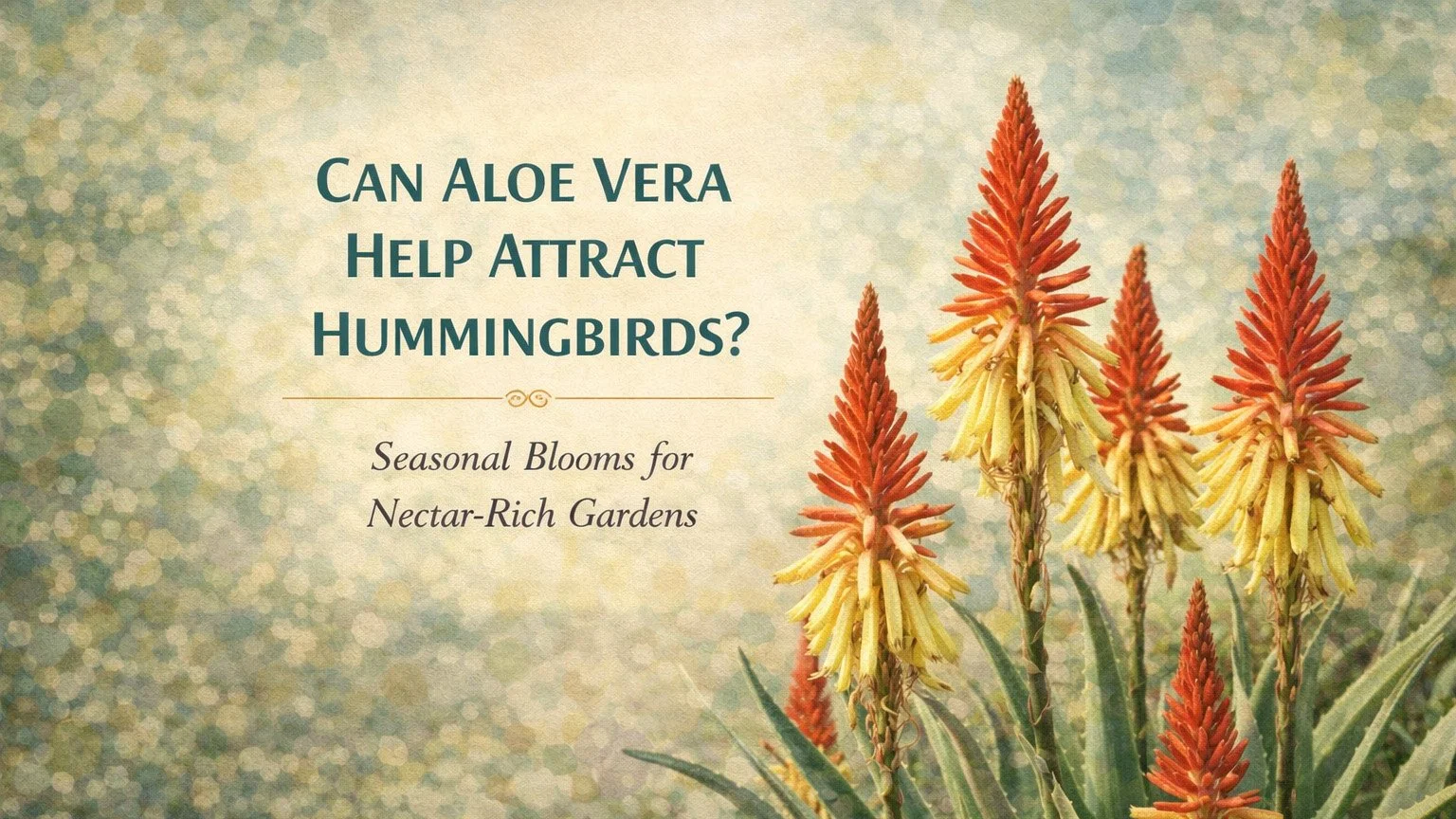
Some aloe species, agave, and certain flowering succulents can also attract hummingbirds when they produce nectar-rich blooms.
Please note: The content provided in this article is for educational purposes only and is intended as general information. Results can vary depending on climate, growing conditions, plant variety, and regional differences.