
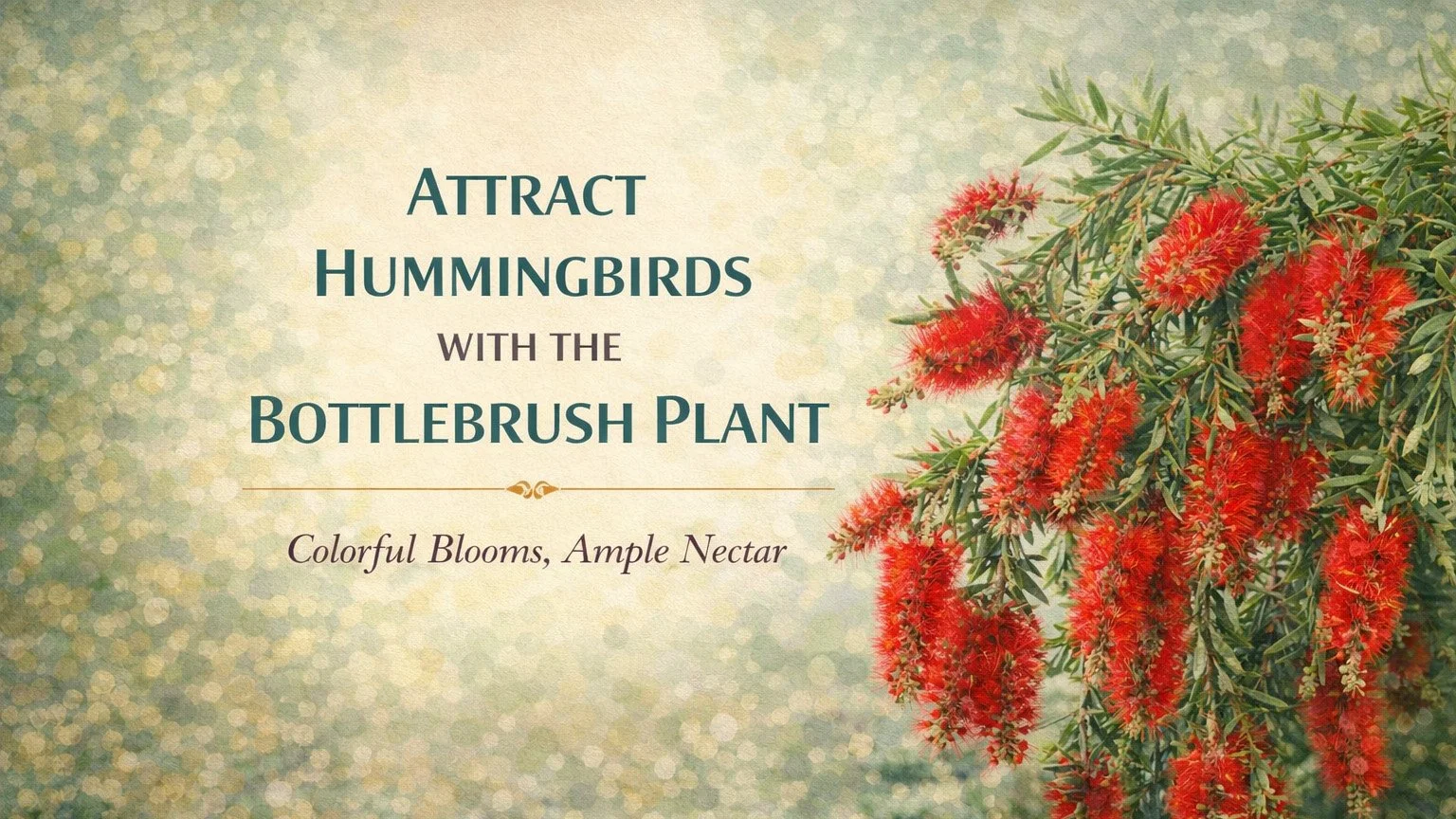
The Bottlebrush plant (Callistemon) is a must have for any hummingbird lover's garden. Its vibrant, brush like flowers are packed with nectar and shaped perfectly for hummingbird bills. When in full bloom, a mature Bottlebrush can become a busy feeding station, drawing hummingbirds in for repeated visits throughout the day.
Beyond the birds, Bottlebrush plants add bold color, evergreen texture, and architectural interest. Whether you have a large yard or a smaller space, there is likely a Bottlebrush variety that can fit into your hummingbird garden design.
Plant Details
Botanical Name:
Callistemon spp. (sometimes treated as Melaleuca in updated classifications)
Common Name:
Bottlebrush, Bottlebrush Plant
Plant Type:
Evergreen shrub or small tree
Mature Size:
Typically 3 to 10 feet tall and wide, depending on variety and growing conditions
Sun Exposure:
Full sun
Soil Type:
Well drained soil; tolerates sandy or loamy soils
Bloom Time:
Primarily spring to early summer, with possible repeat blooming in mild climates
Flower Colors:
Most commonly bright red, with some varieties in pink, white, or yellow
Hardiness Zone:
Generally USDA Zones 8 to 11 (varies by species and cultivar)
Native Area:
Australia
Why Hummingbirds Love Bottlebrush
Bright, nectar rich flowers
Bottlebrush flowers are made up of many long stamens that form the classic bottle brush shape. These bright red, sometimes pink, blooms are rich in nectar and easy for hummingbirds to access. The flower shape also encourages repeated visits as birds move along each brush.
Long blooming season
Many Bottlebrush varieties bloom from spring into summer, and some can offer additional flushes of blooms later in the year in mild climates. That long flowering window provides a steady nectar source during peak hummingbird season.
Visual and structural interest
With their evergreen foliage and showy flowers, Bottlebrush plants add depth and structure to your garden. They work well as focal points, informal hedges, or background plants behind lower growing flowers that hummingbirds also enjoy.
How to Grow the Bottlebrush Plant
Optimal Conditions
Sunlight
Bottlebrush plants prefer full sun for maximum blooming. Aim for at least 6 to 8 hours of direct sunlight per day.Soil
They thrive in well drained soil and can tolerate a range of soil types, from sandy to loamy. Avoid spots where water tends to sit after a rain.Watering
Water regularly during the first growing season to help roots establish. Once established, many Bottlebrush varieties are moderately drought tolerant but will bloom best with occasional deep watering during extended dry periods.
Planting Tips
Spacing
Space plants about 3 to 5 feet apart, depending on the mature size of the variety you choose. This allows for good air circulation and room for the branches and flowers to spread naturally.Planting time
In mild climates, Bottlebrush can be planted in fall or spring. In colder regions where they are marginally hardy or grown in containers, spring planting is usually safest.Fertilization
Use a balanced, slow release fertilizer in early spring to support healthy growth and flowering. Avoid over fertilizing, which can promote leaves at the expense of blooms.
Maintenance Tips
Pruning
Prune lightly after the main flowering period to maintain shape and encourage new growth. Focus on removing spent flower spikes and any crossing or damaged branches. Avoid heavy pruning into old wood.Pest and disease care
Bottlebrush plants are generally pest resistant, but they can occasionally develop scale insects or sooty mold. Check stems and leaves periodically and treat early if you notice pests. Proper spacing and good air flow help reduce disease issues.Cold protection
In areas with frost, some Bottlebrush species may need protection. Mulch around the base and consider planting near a warm wall or in a more sheltered microclimate if you are near the edge of their hardiness range.
How to Use Bottlebrush in Your Hummingbird Garden
As a focal shrub or small tree
A well placed Bottlebrush can anchor a hummingbird garden bed. Surround it with lower growing nectar plants so birds can move easily between layers.Near patios and viewing areas
Plant Bottlebrush within viewing distance of windows, seating areas, or photography spots. The repeated visits by hummingbirds make it a great focal plant to watch.Combined with other nectar plants
Pair Bottlebrush with flowering perennials, annuals, and vines that bloom at different times. This creates a continuous nectar supply and keeps hummingbirds returning to your yard.
Frequently Asked Questions
Gardeners often have similar questions when they start using Bottlebrush to attract hummingbirds. Here are a few common ones.
-
Yes. Bottlebrush plants are naturally nectar rich and safe for hummingbirds when grown without pesticides. Avoid using systemic insecticides on or near them so that nectar remains safe for visiting birds.
-
No. In addition to hummingbirds, Bottlebrush flowers often attract bees, butterflies, and other pollinators. This makes them a great choice if you want a more vibrant, wildlife friendly garden.
-
Some smaller Bottlebrush varieties can be grown in large containers, especially in cooler climates where they may need winter protection. Choose a well drained potting mix, provide full sun, and be sure the container has adequate drainage holes.
-
Size depends on the species and variety. Some remain in the 3 to 5 foot range, while others can grow much larger and take on a small tree form. Always check the expected mature height and width when planning your garden layout.
-
They can survive in light shade, but you will get the best flowering and the strongest hummingbird attraction in full sun. In too much shade, plants may become leggy and produce fewer blooms.
Please note: The content provided in this article is for educational purposes only and is based on general gardening knowledge and hummingbird friendly landscaping practices. Growing conditions can vary by region, and plant performance may differ depending on climate, soil, and care.