
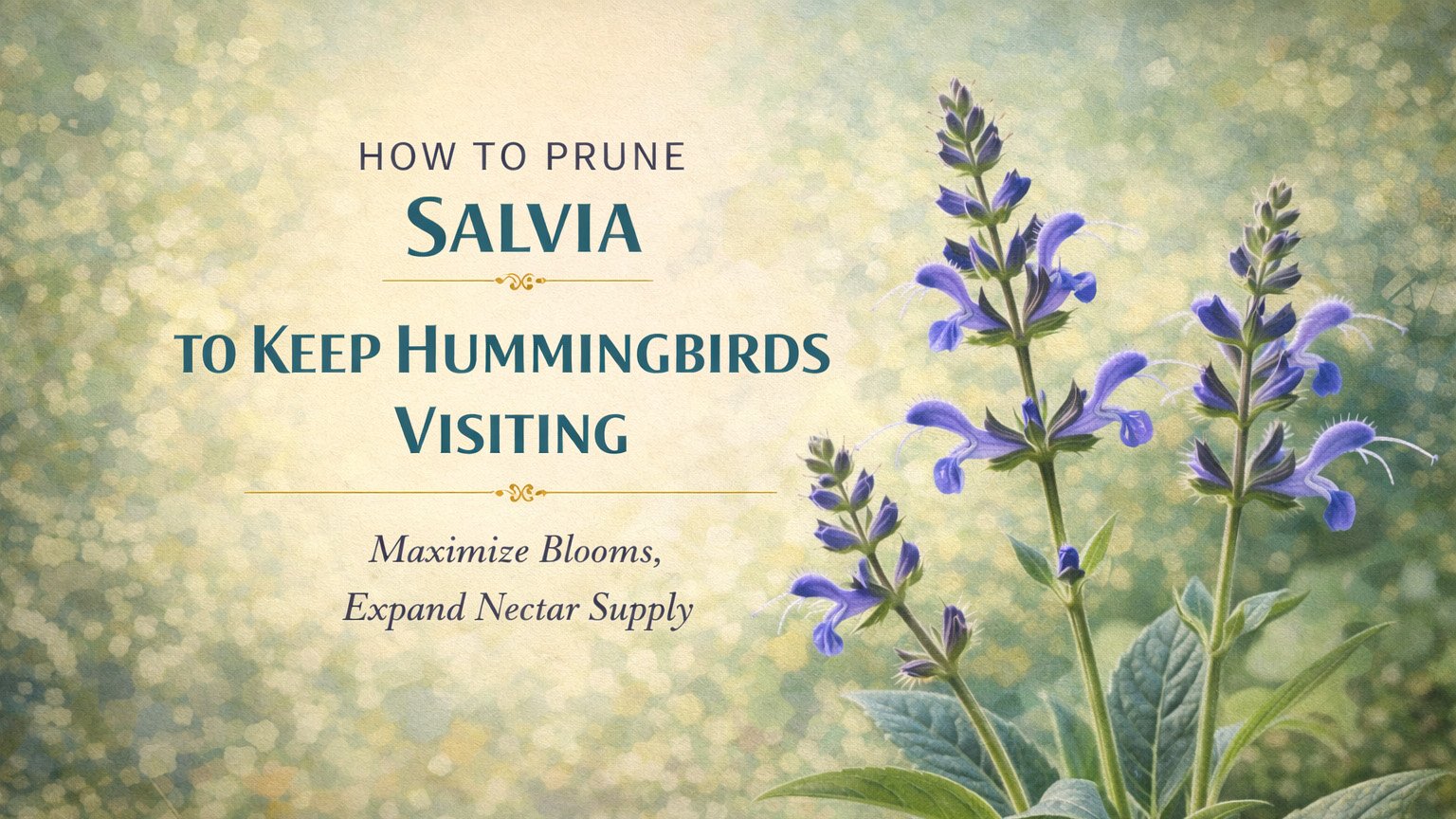
Salvia is one of the most reliable plants for attracting hummingbirds. Its tubular flowers are perfectly shaped for a hummingbird’s bill, and the bright colors make the blooms easy for them to spot while flying.
However, like many flowering plants, salvia benefits from regular pruning. Trimming the plant at the right time encourages new growth and helps produce more flowers, which means more nectar for visiting hummingbirds.
With a few simple pruning techniques, your salvia plants can continue blooming throughout the growing season.
Why Pruning Salvia Helps Attract More Hummingbirds
When salvia flowers begin to fade, the plant naturally shifts its energy toward producing seeds. Once this happens, blooming slows down.
Pruning removes the spent flowers and signals the plant to produce new growth. The result is another wave of blooms that continue providing nectar for hummingbirds.
Gardeners often notice that hummingbird activity increases again shortly after salvia begins producing fresh flowers.
Regular pruning also helps maintain the plant’s shape and prevents stems from becoming overly woody.
Salvia Plant Profile
Feature
Botanical name
Plant type
Mature size
Sun exposure
Soil type
Bloom time
Flower colors
Hardiness zones
Native range
Details
Salvia spp.
Herbaceous perennial or annual
Typically 18 inches to 5 feet tall
Full sun to partial sun
Well-draining soil
Late spring through fall
Red, purple, blue, pink, white
USDA Zones 4–10 depending on species
Americas, Mediterranean, and parts of Asia
Many species of salvia are particularly attractive to hummingbirds, including Salvia guaranitica, Salvia microphylla, and Salvia splendens.
When to Prune Salvia
The best time to prune salvia is after a flush of blooms begins to fade. This typically happens several weeks after the first flowering cycle.
By cutting the stems back just above a healthy set of leaves, the plant will often produce new stems and another round of flowers.
Some gardeners repeat this process several times during the growing season to maintain consistent blooms.
Light pruning can also be done in mid-summer if plants begin to look leggy or sparse.
How to Prune Salvia
Pruning salvia is simple and requires only a few steps.
First, identify the flower stems that have finished blooming. Using clean garden pruners, cut the stem just above a leaf node where new growth can emerge.
If the plant has become tall or uneven, you can trim multiple stems at once to reshape the plant.
Avoid cutting too far down into woody stems, as this may slow new growth.
After pruning, many salvia plants will begin producing new flower spikes within a few weeks.
Additional Care Tips for Healthy Salvia
To keep salvia plants blooming and attractive to hummingbirds, good growing conditions are important.
Salvia prefers sunny locations with well-draining soil. Too much shade can reduce flowering.
Water the plants regularly during hot weather, but avoid overly wet soil.
Applying a balanced fertilizer occasionally during the growing season can also support healthy growth and flower production.
Removing spent flowers and pruning periodically will help ensure the plant continues to produce nectar-rich blooms.
Combine Salvia With Other Hummingbird Plants
While salvia is an excellent hummingbird plant, combining it with other nectar-rich flowers can make your garden even more attractive.
Some popular hummingbird plants include:
Bee balm
Penstemon
Trumpet vine
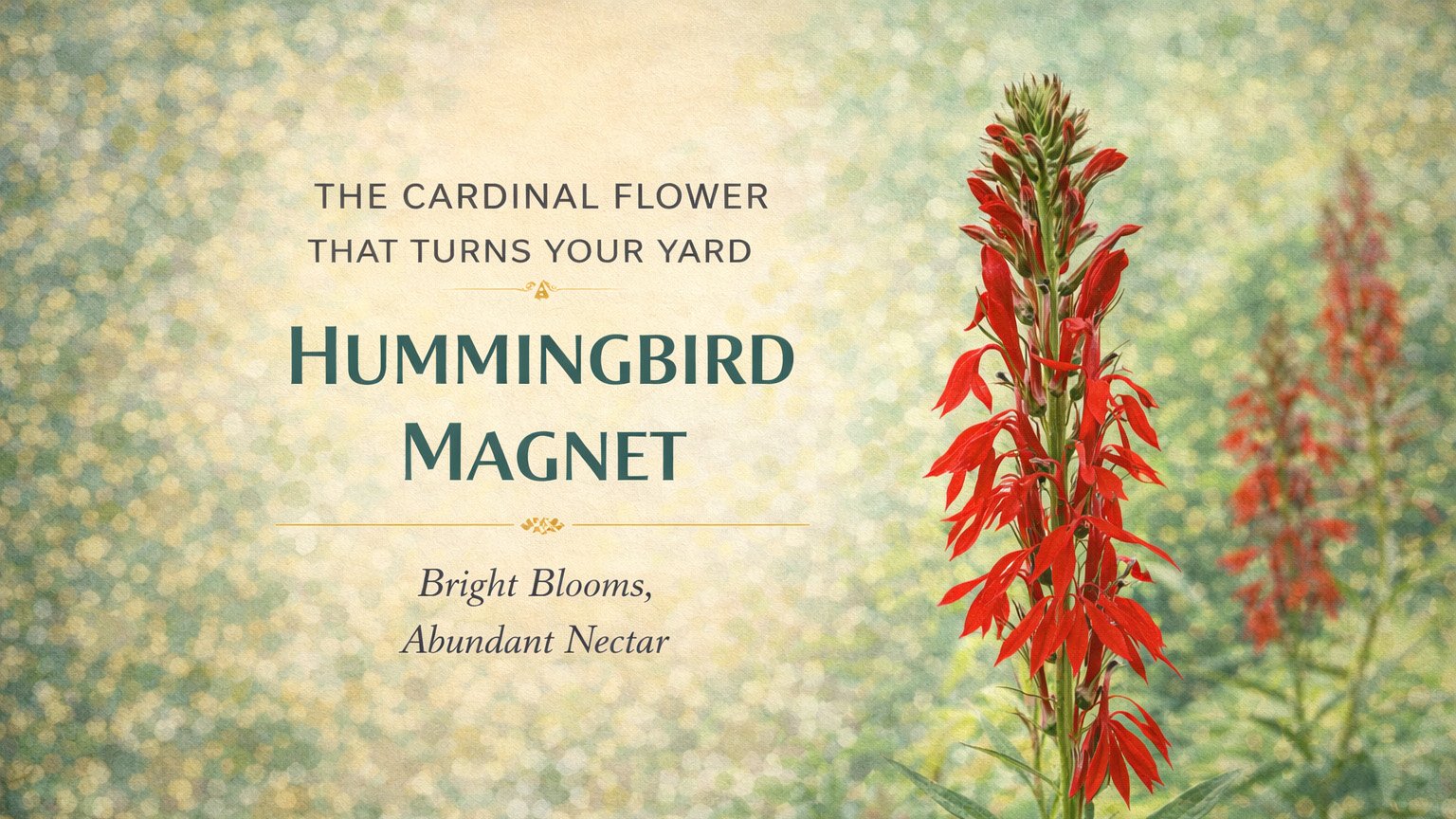
Cardinal flower
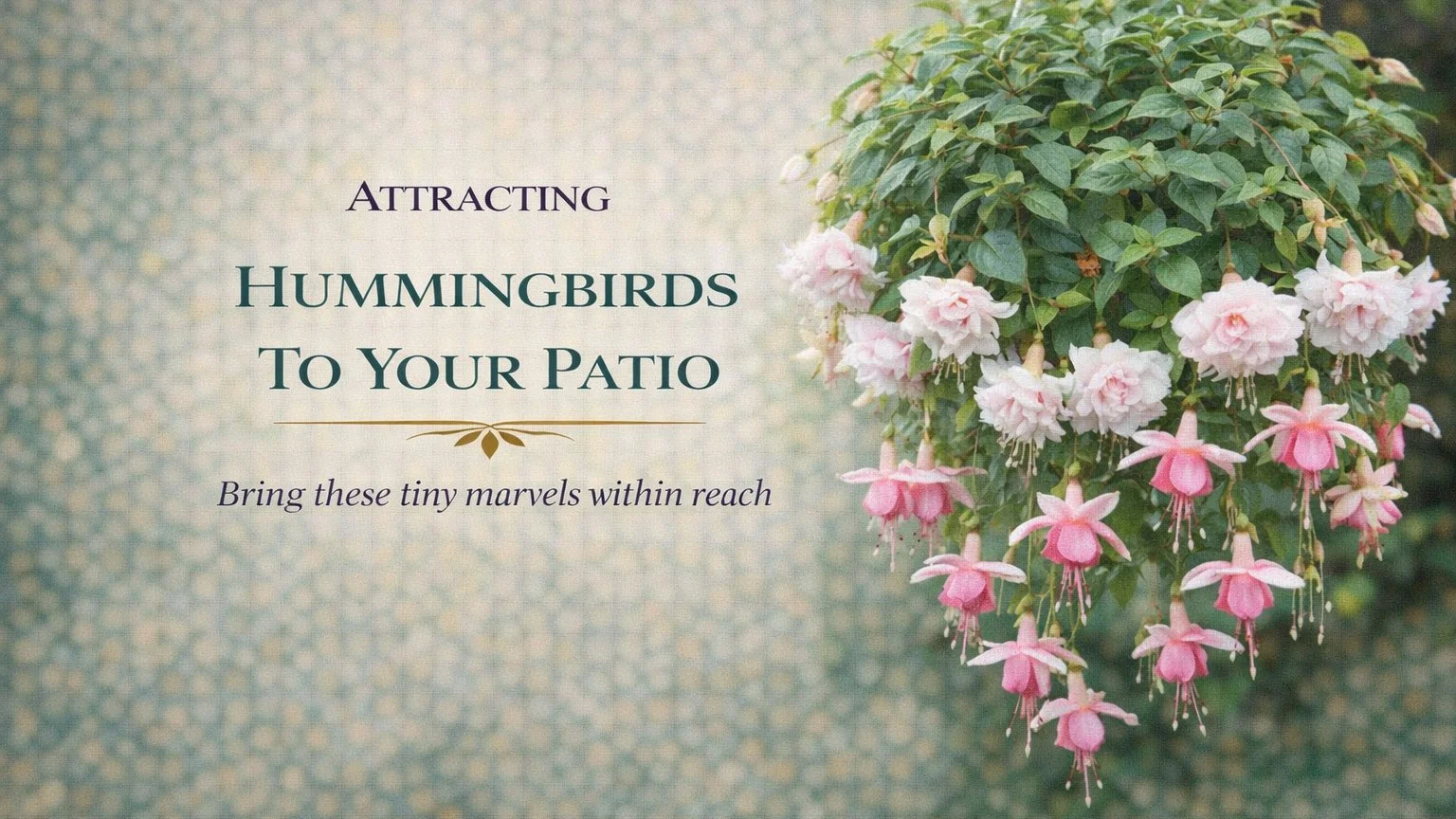
Fuchsia
Planting a variety of flowers ensures that nectar is available throughout the season.
Frequently Asked Questions
Gardeners often have questions about growing salvia and attracting hummingbirds. Here are some common questions.
-
Yes. Salvia is one of the most reliable plants for attracting hummingbirds because of its tubular flowers and abundant nectar.
-
Salvia can be lightly pruned several times during the growing season after flowers begin to fade.
-
Yes. Pruning often encourages the plant to produce new stems and another round of blooms.
-
Most salvia varieties prefer full sun, although some species tolerate partial shade.
-
Many salvias are perennials in warmer climates, while some varieties are grown as annuals in cooler regions.
Please note: The content provided in this article is for educational purposes only and is intended as general information. Results can vary depending on climate, growing conditions, plant variety, and regional differences.