
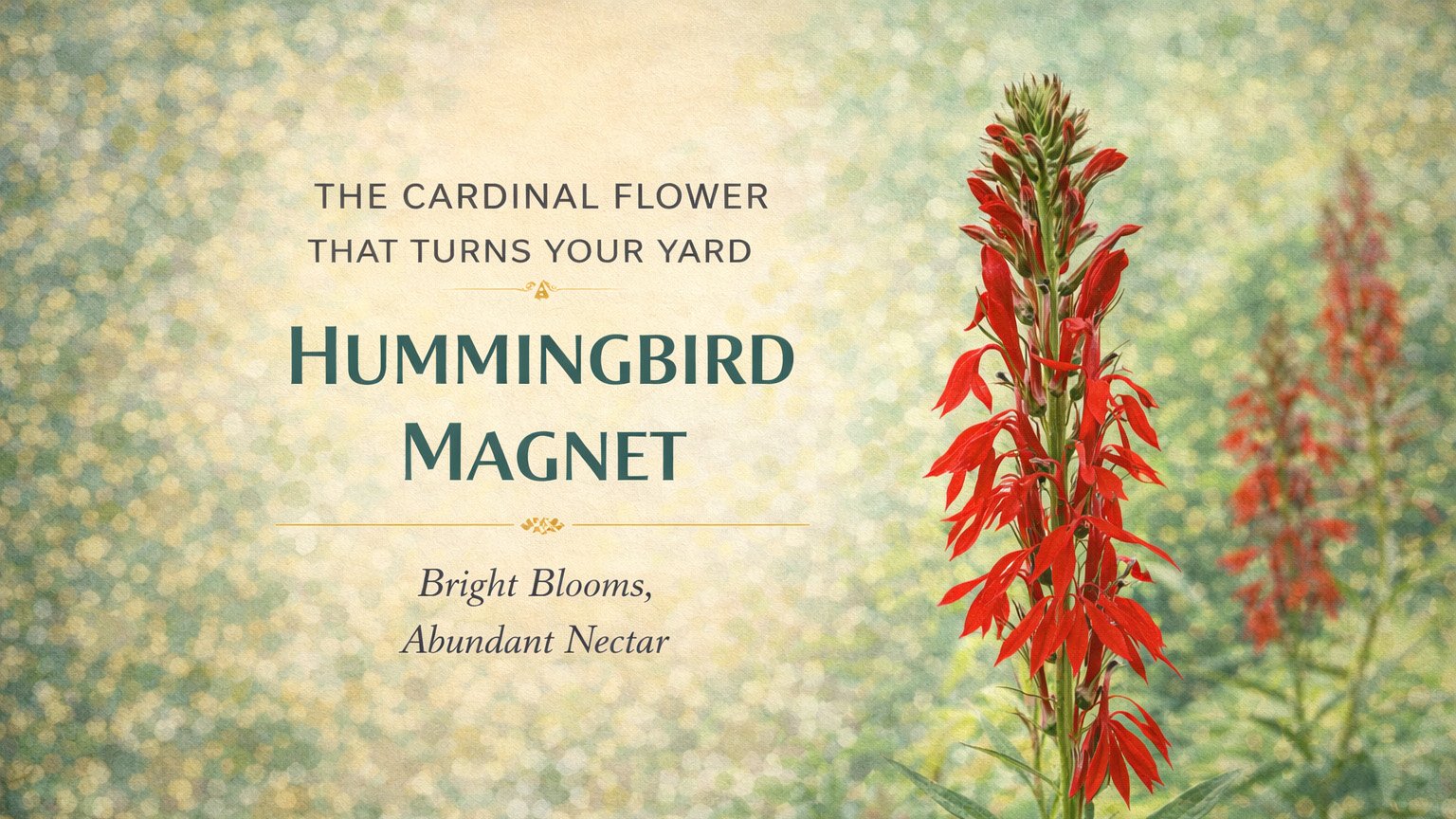
If you want to turn your yard into a hummingbird hotspot, there’s one plant that deserves serious attention. It’s bold, vibrant, and almost impossible for hummingbirds to ignore. Meet the Cardinal Flower (Lobelia cardinalis), a stunning scarlet wildflower that doesn’t just add beauty to your garden. It practically rolls out the red carpet for hummingbirds.
Once you see it blooming, you’ll understand why. The deep red flowers' spikes look like tiny lanterns lighting up your garden. And for hummingbirds, those blossoms are more than decoration. They’re an irresistible nectar buffet.
Why Hummingbirds Love the Cardinal Flower
Hummingbirds have evolved alongside flowers that match their feeding style. The Cardinal Flower is a perfect example of this relationship.
The plant produces tubular, scarlet blossoms, which are exactly the kind of shape hummingbirds prefer. Their long bills and specialized tongues allow them to reach deep into the flowers where nectar collects. As they feed, pollen brushes against their heads and bills, helping pollinate the plant.
It’s a win-win situation. The hummingbird gets high-energy nectar, and the flower gets help spreading its pollen to the next plant.
Another reason these flowers work so well is color. Hummingbirds are especially attracted to bright red shades. The intense scarlet of the Cardinal Flower acts like a beacon, drawing them in from across the garden.
A Flower That Stands Out
One of the most striking features of the Cardinal Flower is its dramatic bloom structure. Instead of a single flower head, the plant produces tall spikes covered with multiple blossoms that open gradually from bottom to top.
Each flower has a velvety texture and a tubular shape designed specifically for hummingbird pollination. The bright red petals contrast with the plant’s green foliage, making the blooms stand out even from a distance.
When several plants bloom together, the effect can be spectacular. A patch of Cardinal Flowers can transform an ordinary garden corner into a glowing wall of red.
Where This Flower Grows Best
Cardinal Flowers naturally grow in moist environments such as stream edges, wetlands, and low meadows. They thrive in rich soil that stays consistently damp.
In a backyard garden, that means they do best in places where moisture stays longer.
Ideal locations include:
Near ponds or water features
Along shaded garden borders
In low spots where water collects
Around patios or decks where containers can be watered regularly
They can tolerate some sun, but partial shade often helps them stay healthy during the hottest parts of the day.
Bringing Hummingbirds Closer to Home
One of the best things about growing Cardinal Flowers is how easily they can bring hummingbirds closer to your home.
Planting them in containers near patios or seating areas allows you to enjoy the show up close. Watching hummingbirds hover, dart, and return repeatedly to feed on the blossoms is one of the simple joys of a wildlife-friendly garden.
Unlike feeders, flowers provide a natural nectar source that hummingbirds instinctively recognize. Many gardeners find that once these plants bloom, hummingbirds begin visiting regularly.
A Natural Pollinator Powerhouse
Cardinal Flowers don’t just attract hummingbirds. They support a whole range of pollinators.
Butterflies, bees, and other nectar-loving insects also stop by the blossoms. But hummingbirds tend to steal the spotlight because they are perfectly built to access the nectar deep inside the flower tubes.
In fact, the flower’s shape makes it difficult for many insects to reach the nectar, giving hummingbirds a competitive advantage.
Easy Ways to Grow Cardinal Flower
If you’re thinking about adding Cardinal Flowers to your yard, the good news is they’re fairly easy to grow once established.
Here are a few simple tips:
Keep the soil moist
These plants love consistent moisture. Water regularly, especially during dry periods.
Provide partial shade
Morning sun with afternoon shade often works best.
Avoid heavy mulch
Too much mulch can trap moisture around the plant’s base and cause rot.
Plant in groups
Clusters of flowers are easier for hummingbirds to spot and attract more visits.
With the right conditions, these plants can bloom from mid-summer into early fall, providing nectar during an important time for hummingbirds preparing for migration.
Turning Your Garden Into a Hummingbird Habitat
While Cardinal Flower is one of the best plants for attracting hummingbirds, it works even better when combined with other nectar-rich species.
Many hummingbird-friendly gardens include plants like:
Scarlet bee balm
Penstemon
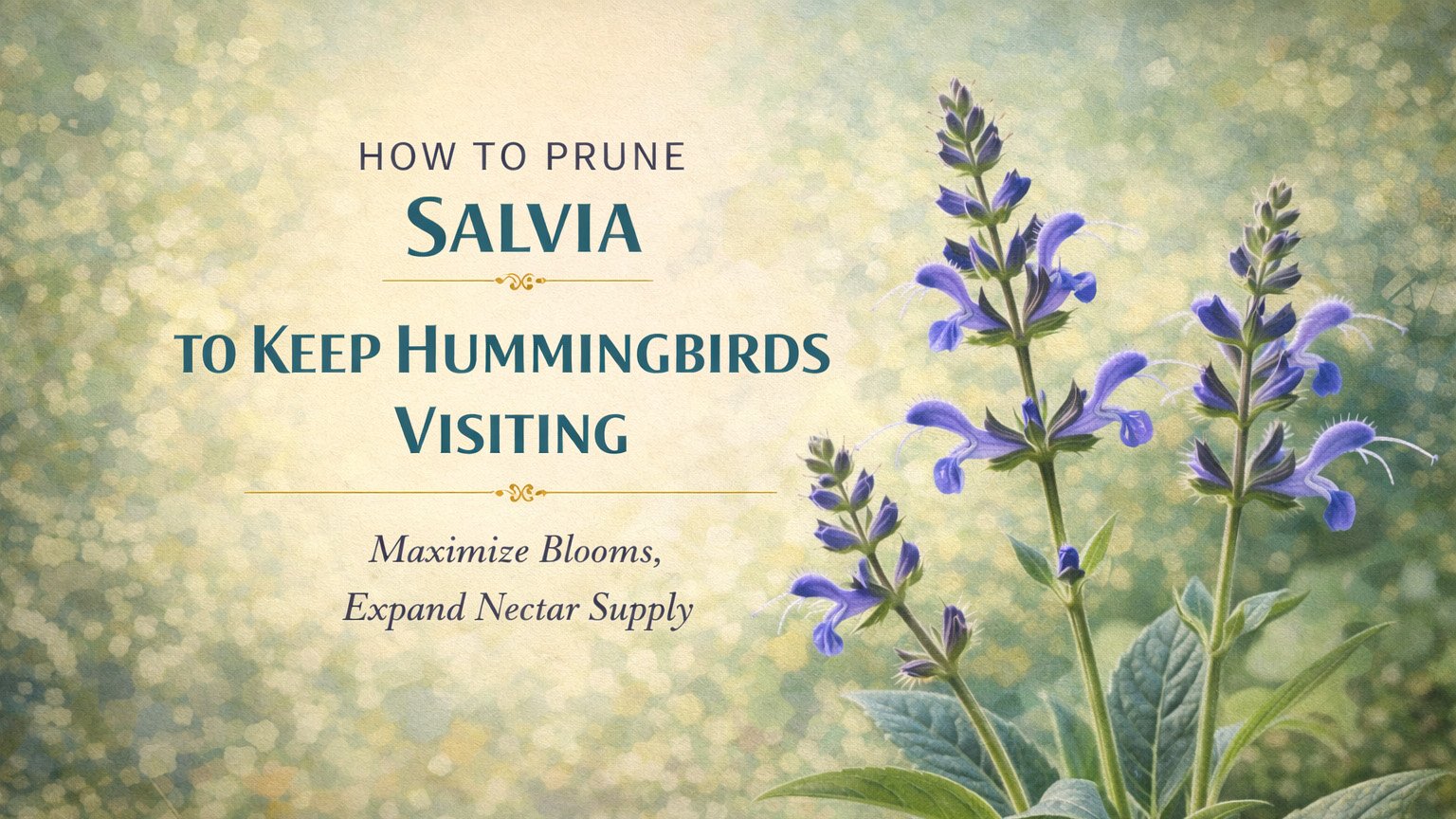
Salvia
California fuchsia
These flowers produce the tubular, nectar-rich blossoms hummingbirds prefer, creating a steady food supply throughout the season.
The result is a garden that becomes a reliable feeding stop for hummingbirds moving through your area.
Why Native Plants Matter
Another advantage of the Cardinal Flower is that it is native to much of North America. Native plants tend to support local wildlife far better than ornamental imports.
Because they evolved alongside native birds and insects, they often provide the exact nectar, pollen, and habitat these species depend on.
Even adding a few native plants to your yard can dramatically increase the number of pollinators and birds you see.
The Real Magic of a Hummingbird Garden
The beauty of the Cardinal Flower isn’t just in its color. It’s in the life it brings with it.
Plant a few of these scarlet blooms, and suddenly your garden becomes more than just a landscape. It becomes a stage for one of nature’s most captivating performers.
Hummingbirds dart in like living jewels, hovering effortlessly as they sip nectar from the glowing red blossoms. They vanish just as quickly, only to return minutes later for another visit.
And before long, you realize something remarkable.
Your garden isn’t just a garden anymore. It’s a hummingbird destination.
Frequently Asked Questions
The Cardinal Flower is well known for attracting hummingbirds with its bright red, nectar-rich blooms. If you’re thinking about adding it to your garden, here are answers to some common questions about Cardinal Flowers and hummingbird-friendly plants.
-
Many flowers attract hummingbirds, but the Cardinal Flower is one of the best. Its bright red color and tubular shape make it ideal for hummingbird feeding.
-
Hummingbirds are naturally drawn to bright red and orange flowers because these colors often signal a rich nectar source.
-
Hummingbirds use both. Natural flowers provide nectar and attract insects for protein, while feeders offer a consistent energy source.
-
Plant nectar-rich flowers in sunny areas near shrubs or trees where hummingbirds can perch and rest between feedings.
-
Popular hummingbird plants include bee balm, salvia, penstemon, and trumpet vine.

Please note: The content provided in this article is for educational purposes only and is intended as general information. Results can vary depending on climate, growing conditions, plant variety, and regional differences.