
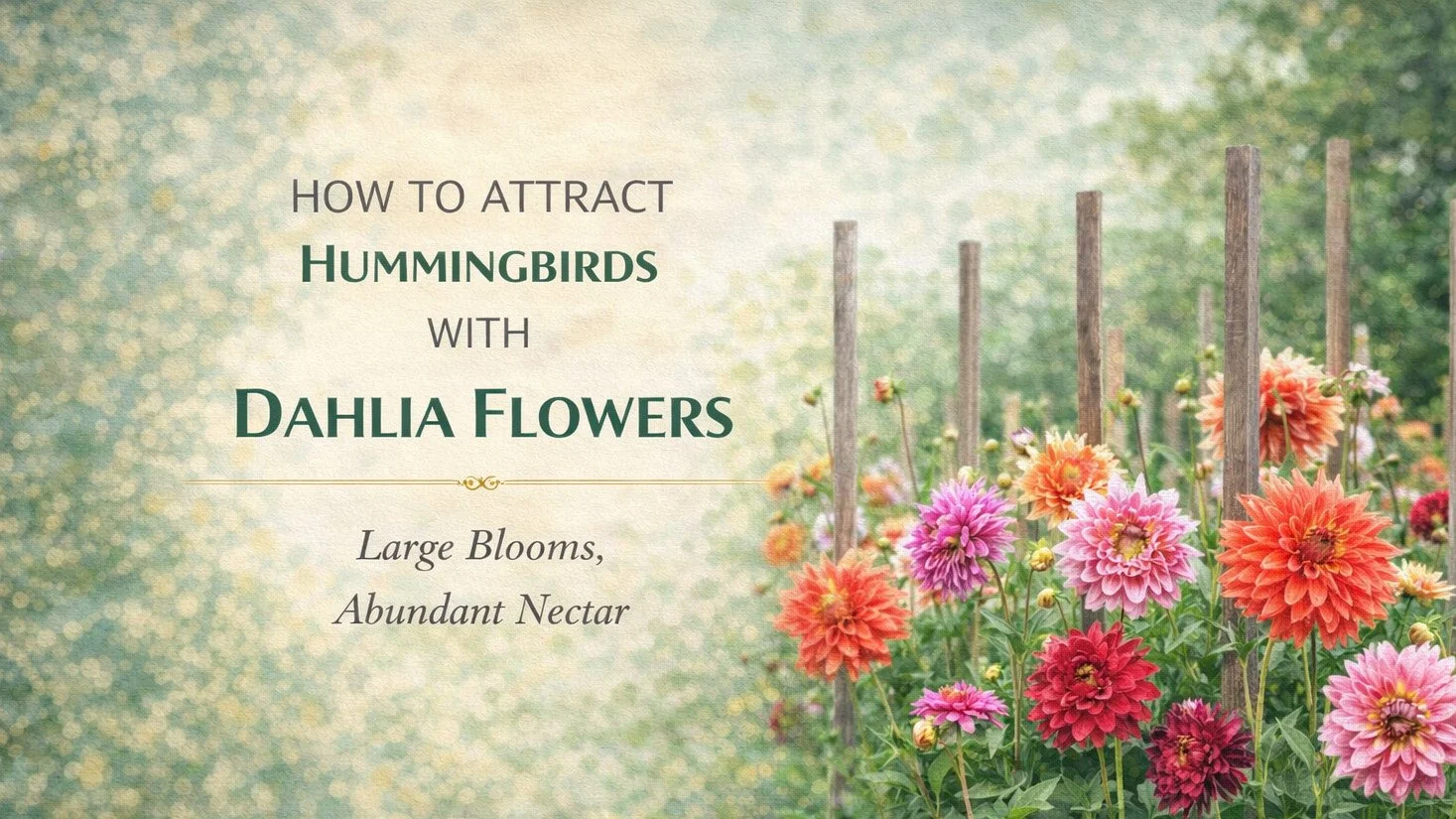
Dahlias bring big, bold color to the garden from midsummer into fall, and many varieties can also help attract hummingbirds. Their showy blooms, wide color range, and long flowering season make them a great choice for adding late season interest when other flowers may be slowing down.
With thoughtful variety selection and placement, dahlias can become part of a layered nectar garden that keeps hummingbirds visiting your yard right through the end of the season.
Plant Details
Botanical Name:
Dahlia spp.
Common Name:
Dahlia
Plant Type:
Tender perennial grown as a perennial in mild climates and often treated as an annual or lifted tuber in colder regions
Mature Size:
Varies widely by variety, typically 1 to 5 feet tall and 1 to 3 feet wide
Sun Exposure:
Full sun
Soil Type:
Rich, well drained soil
Bloom Time:
Midsummer through fall, especially with regular deadheading
Flower Colors:
Red, orange, pink, purple, yellow, white, and many bicolor forms
Hardiness Zone:
Generally hardy in USDA Zones 8 to 11; grown as tender bulbs or annuals in colder zones
Native Area:
Mexico and Central America
Why Hummingbirds Love Dahlias
Abundant blooms in late season
Dahlias come into their peak when many spring and early summer flowers have finished. This makes them especially valuable as a nectar source from midsummer into fall, when hummingbirds are feeding heavily and preparing for migration.
Color and accessibility
Hummingbirds are drawn to bright colors like red, pink, and orange, all of which are common in dahlias. Some flower forms, especially simpler, open types, offer easier access to nectar than very tightly packed double blooms. Choosing the right shapes can make dahlias more useful to hummingbirds.
Choosing the Best Dahlia Types for Hummingbirds
Favor open, single or semi double blooms
For hummingbirds, look for dahlias with open centers where the floral parts are visible. Single and semi double varieties often provide easier access to nectar than very dense, fully double flowers where petals can block the center.
Color selection
Bright reds, magentas, and oranges are excellent choices to catch a hummingbird’s attention, but they will also visit pinks and other strong colors. Mixing a few of these bold tones among your other plants can create attractive feeding spots.
Height and placement
Taller dahlias can put blooms right at hummingbird height, especially when planted near paths or seating areas. Shorter types work well at the front of beds or in containers where birds can easily hover in front of the flowers.
Planting and Caring for Dahlias
Planting Tips
When to plant
In colder climates, plant dahlia tubers in the ground after the danger of frost has passed and soil has begun to warm. In mild climates, they can sometimes be planted earlier or left in the ground year round, depending on conditions.Soil preparation
Dahlias appreciate rich, well drained soil. Work compost or well rotted organic matter into the planting area to improve fertility and drainage.Planting depth and spacing
Plant tubers a few inches deep (following package or nursery instructions) with the eye facing up. Space plants 1 to 3 feet apart depending on the variety’s mature size, allowing room for airflow and access around the plants.
Maintenance
Watering
Water deeply and regularly, especially during hot, dry weather. Let the top of the soil dry slightly between waterings, but avoid letting plants wilt repeatedly.Fertilizing
Dahlias benefit from a balanced, low nitrogen fertilizer applied during the growing season. Too much nitrogen can lead to lush foliage with fewer flowers.Staking
Taller varieties often need support to keep stems from bending or breaking. Install stakes or a simple support system early in the season and tie stems as they grow.Deadheading
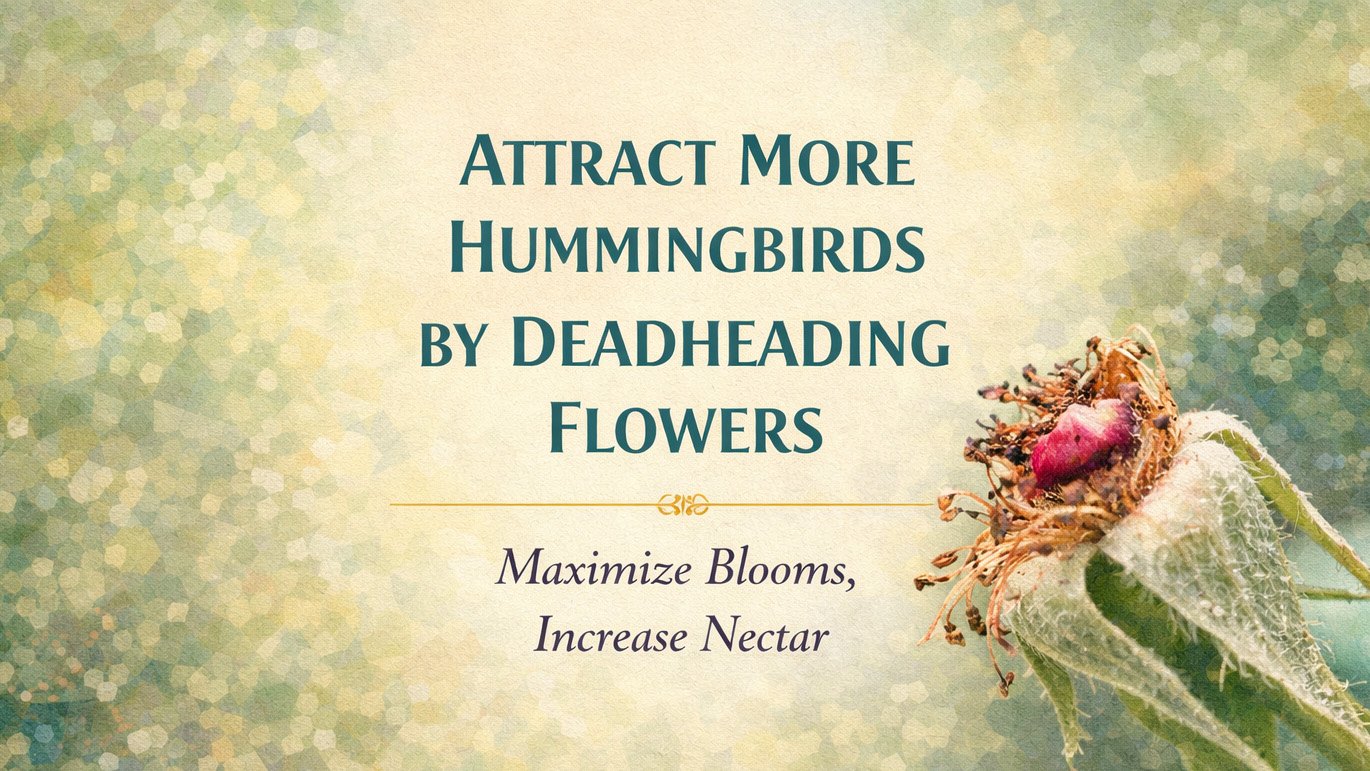
Remove spent blooms regularly to encourage continuous flowering. This not only keeps the plant looking tidy but also helps it devote energy to new blooms that hummingbirds can use.
How to Use Dahlias in Your Hummingbird Garden
Back border color
Plant taller dahlias toward the back of beds or along fences, where their large blooms create a colorful backdrop. Hummingbirds can move between these taller flowers and lower growing nectar plants in front.Mixed with other nectar plants
Combine dahlias with salvias, cuphea, verbenas, and other hummingbird friendly flowers. This mix provides multiple flower shapes and bloom times, giving hummingbirds more options throughout the season.Containers and patio plantings
Compact or dwarf dahlias can thrive in large containers. Placing these containers near patios, decks, or seating areas lets you enjoy close views of hummingbirds visiting the blooms.
Frequently Asked Questions
Gardeners often have similar questions when they start using dahlias to attract hummingbirds. Here are a few common ones.
-
Not all dahlias are equally useful. Hummingbirds can visit many types, but open, single, or semi double flowers with visible centers are generally better choices than very dense, fully double blooms that may restrict access to nectar.
-
In mild climates, dahlias can overwinter in the ground and return each year. In colder regions, gardeners often dig and store tubers after frost and replant them in spring, or treat them as annuals.
-
Dahlias bloom best in full sun. Aim for at least 6 hours of direct sunlight per day. In very hot climates, light afternoon shade can help prevent stress, but too much shade will reduce blooming.
-
Yes. Many dwarf or compact varieties do well in large containers. Use a rich, well drained potting mix, ensure regular watering, and place the container in a sunny spot where hummingbirds can easily find it.
-
No. While red and orange can be especially attractive, hummingbirds will visit many bright colors if the flowers offer accessible nectar. Planting a mix of suitable forms and colors can help you see what they prefer in your garden.
Dahlias add bold summer and fall color while providing nectar for hummingbirds. Learn which dahlias to choose and how to plant, care for, and place them to attract more hummingbirds to your garden.