
Introduction
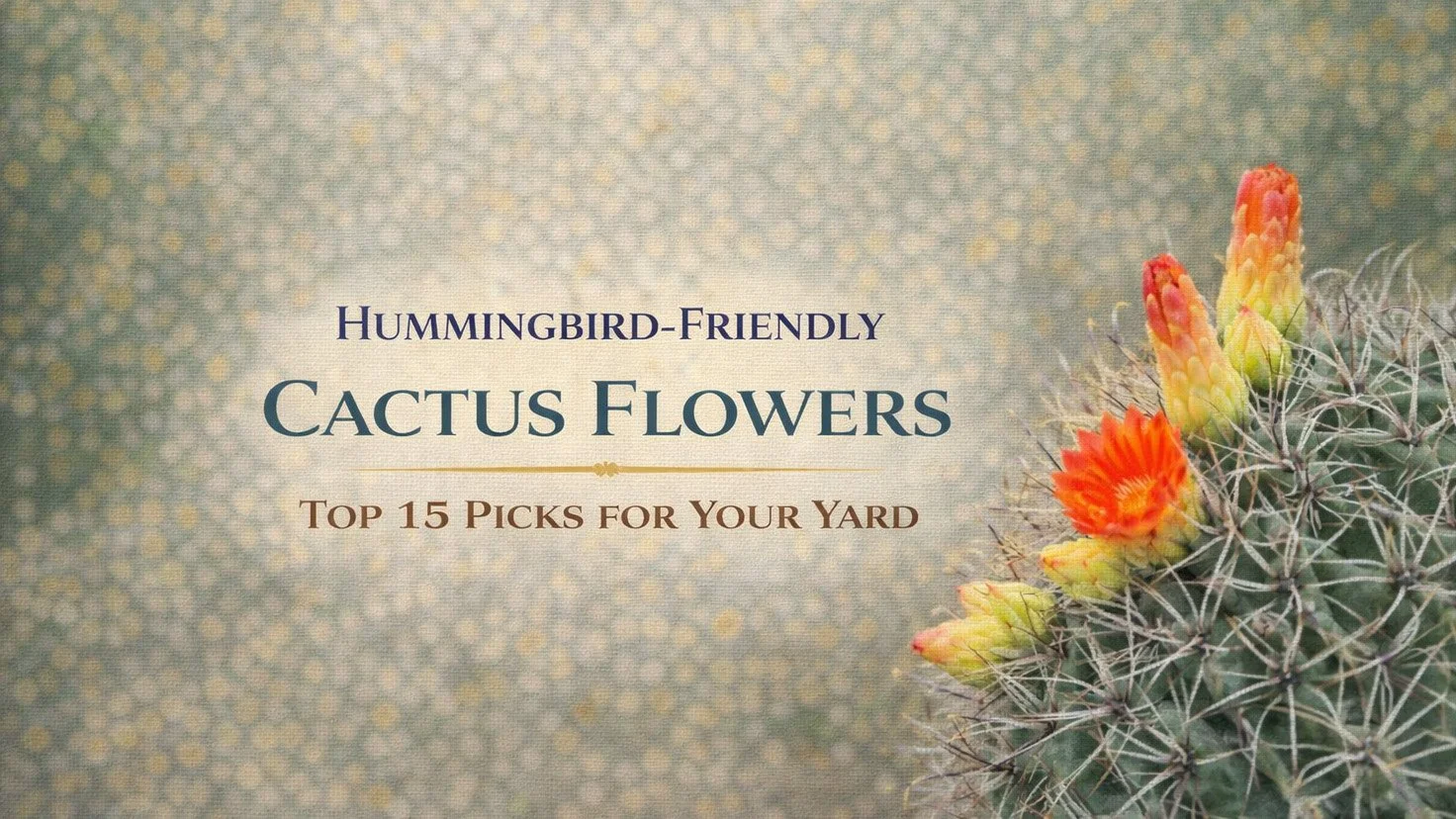
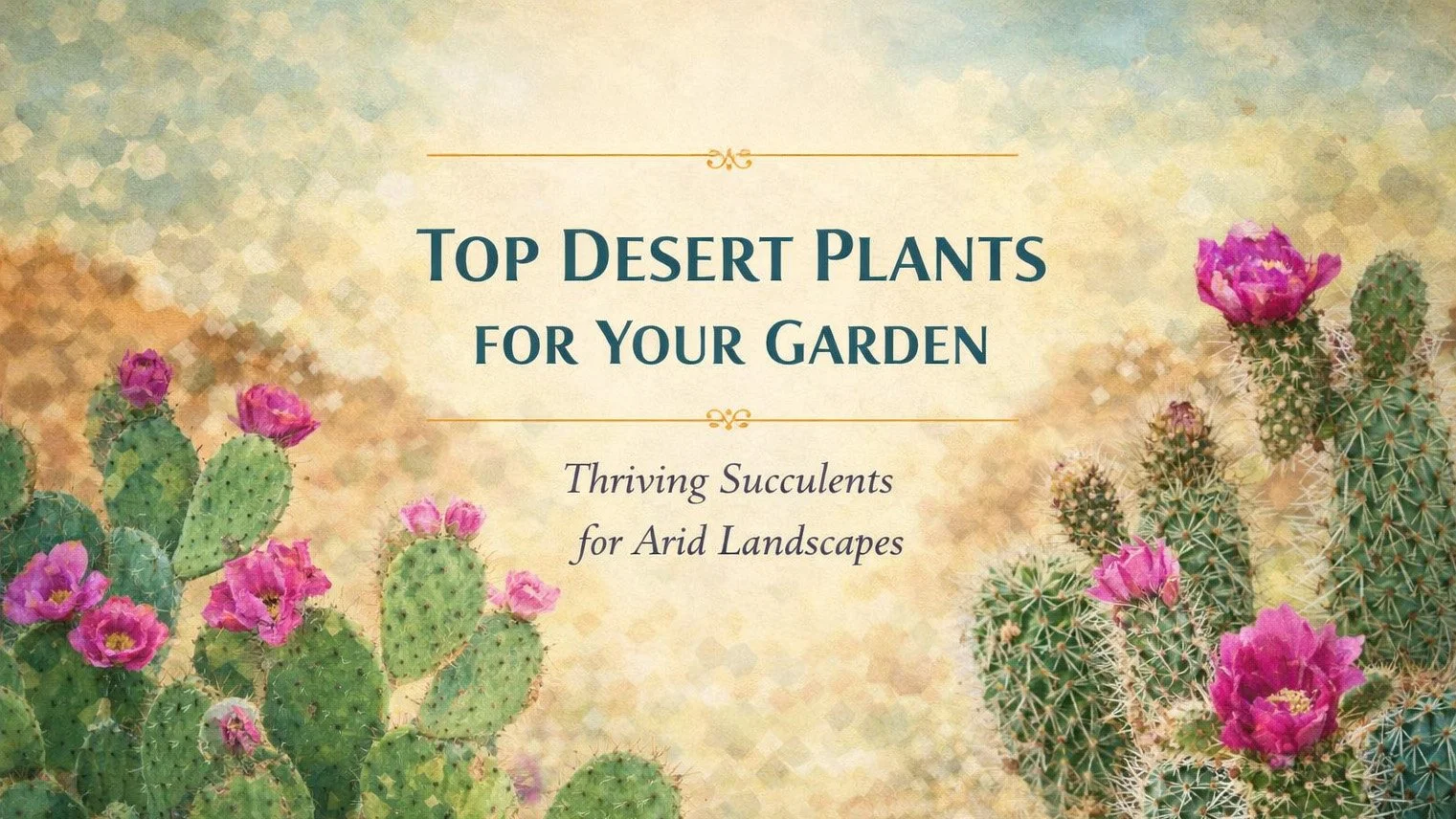
Cactus flowers are not only beautiful but also serve as excellent attractants for hummingbirds. Their vibrant colors and nectar-rich blooms make them irresistible to these tiny birds. Here is a detailed guide on the top 15 cactus flowers that will draw hummingbirds to your garden.
1. Prickly Pear (Opuntia spp.)
Flowers: Bright yellow, red, or pink.
Nectar: Rich in nectar, highly attractive to hummingbirds.
Care Tips: Prefers full sun and well-draining soil. Water sparingly.
2. Hedgehog Cactus (Echinocereus spp.)
Flowers: Vibrant pink, red, or purple.
Nectar: Abundant nectar ideal for hummingbirds.
Care Tips: Needs full sun and well-drained soil. Moderate watering.
3. Barrel Cactus (Ferocactus spp.)
Flowers: Large yellow, orange, or red flowers.
Nectar: Plentiful nectar source.
Care Tips: Thrives in full sun and rocky, sandy soil. Water occasionally.
4. Claret Cup Cactus (Echinocereus triglochidiatus)
Flowers: Brilliant red blooms.
Nectar: High nectar content.
Care Tips: Requires full sun and well-draining soil. Drought-tolerant.
5. Saguaro Cactus (Carnegiea gigantea)
Flowers: White flowers with rich nectar.
Nectar: Significant nectar source.
Care Tips: Needs full sun and minimal water. Grows slowly.
6. Queen of the Night (Cereus spp.)
Flowers: Large, fragrant white blooms.
Nectar: Attracts hummingbirds, especially at night.
Care Tips: Prefers partial shade and well-draining soil. Water moderately.
7. Cholla Cactus (Cylindropuntia spp.)
Flowers: Yellow, pink, or red.
Nectar: Nectar-rich, attracting hummingbirds.
Care Tips: Thrives in full sun and sandy soil. Minimal watering.
8. Fishhook Barrel Cactus (Ferocactus wislizeni)
Flowers: Yellow, orange, or red.
Nectar: Provides ample nectar.
Care Tips: Requires full sun and well-draining soil. Drought-tolerant.
9. Night-Blooming Cereus (Peniocereus greggii)
Flowers: Large white, nocturnal blooms.
Nectar: Attracts nocturnal pollinators and hummingbirds.
Care Tips: Prefers partial shade and sandy soil. Moderate watering.
10. Golden Barrel Cactus (Echinocactus grusonii)
Flowers: Bright yellow.
Nectar: Rich in nectar.
Care Tips: Needs full sun and rocky soil. Water sparingly.
11. Totem Pole Cactus (Lophocereus schottii var. monstrosus)
Flowers: Creamy white to pink.
Nectar: Attracts hummingbirds.
Care Tips: Prefers full sun and well-draining soil. Water occasionally.
12. Beavertail Cactus (Opuntia basilaris)
Flowers: Pink or magenta.
Nectar: High nectar content.
Care Tips: Requires full sun and sandy soil. Drought-tolerant.
13. Peruvian Apple Cactus (Cereus repandus)
Flowers: Large white, nocturnal blooms.
Nectar: Attracts hummingbirds and other pollinators.
Care Tips: Prefers full sun and well-draining soil. Water moderately.
14. Old Man Cactus (Cephalocereus senilis)
Flowers: Rare, white to yellowish-pink.
Nectar: Provides nectar when it blooms.
Care Tips: Needs full sun and sandy soil. Minimal watering.
15. Torch Cactus (Echinopsis spp.)
Flowers: Large, colorful blooms in pink, red, or orange.
Nectar: Rich in nectar.
Care Tips: Requires full sun and well-draining soil. Water sparingly.
Conclusion
Incorporating these cactus flowers into your garden will create a vibrant and inviting environment for hummingbirds. Their nectar-rich blooms and striking colors are sure to attract and support these delightful birds, making your garden a buzzing hub of activity.
Frequently Asked Questions
Many cactus species produce vibrant flowers that provide nectar for hummingbirds and other pollinators. Here are some common questions about cactus flowers in hummingbird gardens.
-
Yes. Some cactus species produce nectar-rich flowers that hummingbirds feed from.
-
Bloom times vary widely depending on species and climate.
-
Yes. Many cactus species are adapted to arid environments.
-
Yes. Bees, butterflies, and other pollinators often visit cactus blooms.
-
Yes. Many cactus species can be grown successfully in pots.
Please note: The content provided in this article is for educational purposes only and is intended as general information. Results can vary depending on climate, growing conditions, plant variety, and regional differences.