
Introduction
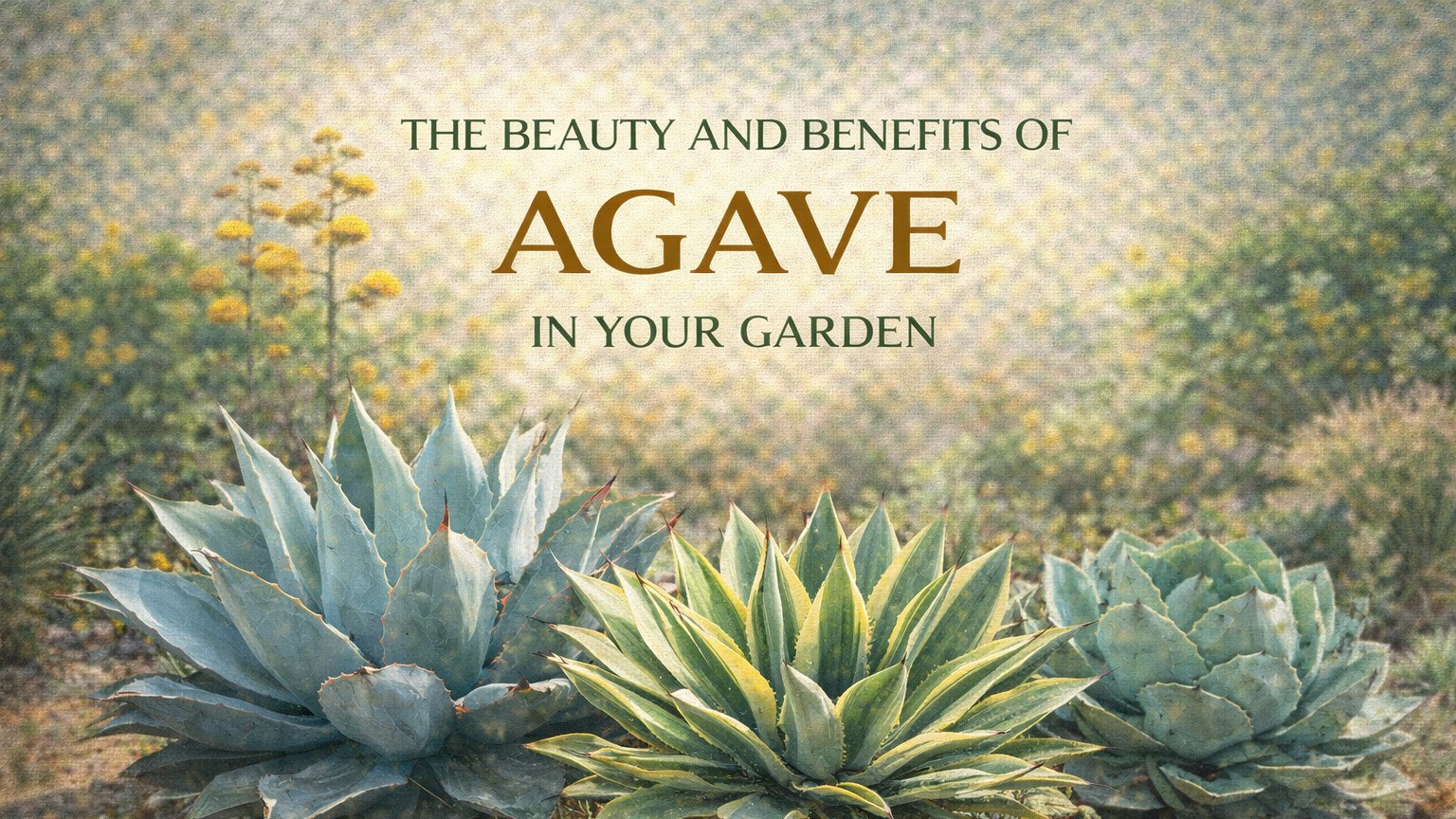
Agave is a striking succulent known for its architectural rosettes and impressive flower spikes. This plant not only enhances garden aesthetics but also supports hummingbirds when it blooms.
Benefits for Hummingbirds
Nectar-Rich Blooms
Attractive Flowers: Agave produces large flower spikes rich in nectar, attracting hummingbirds.
Blooming Cycle: Although agave blooms less frequently, its flowers are a significant nectar source during blooming.
Planting and Care Tips
Optimal Conditions
Sunlight: Prefers full sun.
Soil: Needs well-draining soil, like a sandy or rocky mix.
Watering: Water sparingly; agave is drought-tolerant.
Maintenance
Pruning: Remove spent flower stalks and dead leaves.
Fertilizing: Minimal fertilization; use a low-nitrogen fertilizer if needed.
Conclusion
Incorporating agave into your garden adds visual appeal and provides a valuable nectar source for hummingbirds. Its low-maintenance nature makes it an excellent choice for enhancing your garden’s beauty and supporting local wildlife.
Frequently Asked Questions
Agave plants are often included in drought-tolerant landscapes and can provide striking structure in a hummingbird-friendly garden. Here are some common questions gardeners ask about agave plants.
-
Yes. When agave plants bloom, they can produce large nectar-rich flower stalks that attract hummingbirds.
-
Most agave plants bloom once at the end of their life cycle.
-
Are agave plants drought tolerant?
-
Most agave species grow best in sunny locations.
-
Some smaller species can be grown successfully in containers.
Please note: The content provided in this article is for educational purposes only and is intended as general information. Results can vary depending on climate, growing conditions, plant variety, and regional differences.