
Introduction
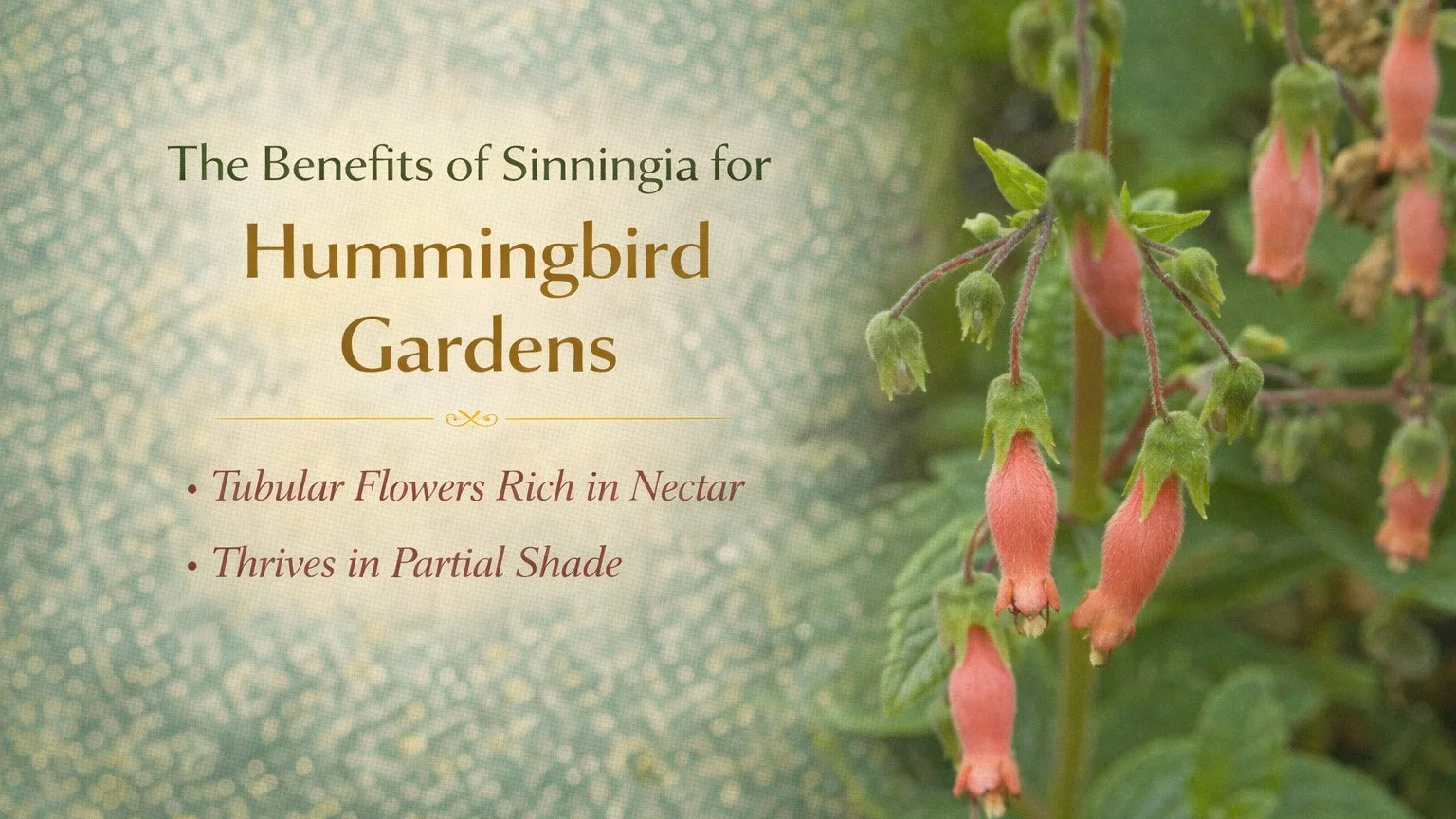
Sinningia, commonly known as Gloxinia, is a stunning flowering plant that not only adds color to your garden but also attracts hummingbirds with its vibrant blooms.
Benefits for Hummingbirds
Nectar-Rich Blooms
Attractive Flowers: The tubular flowers of Sinningia are rich in nectar, making them highly attractive to hummingbirds.
Extended Blooming Period: Blooms from spring to fall, providing a consistent food source.
Planting and Care Tips
Optimal Conditions
Sunlight: Prefers bright, indirect light.
Soil: Needs well-draining, fertile soil.
Watering: Keep the soil consistently moist but not waterlogged.
Maintenance
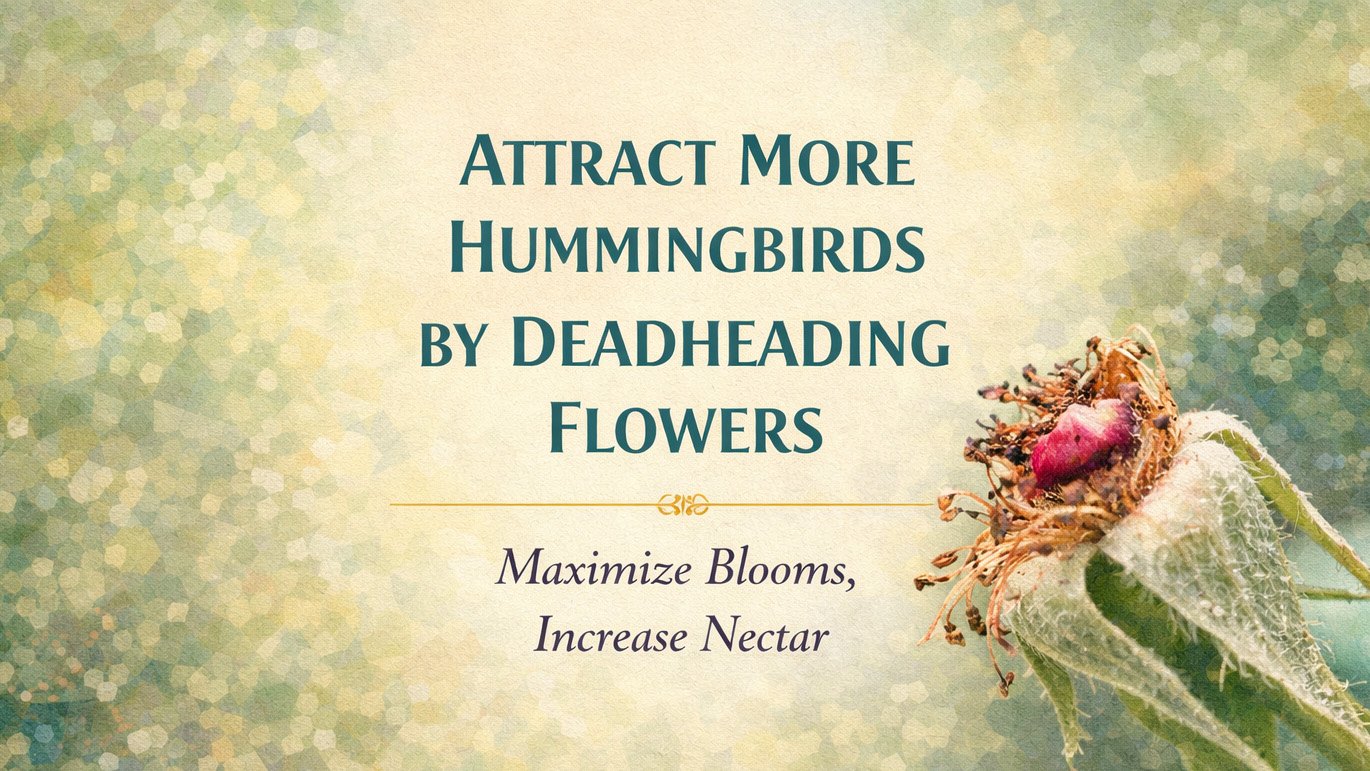
Pruning: Remove dead flowers to encourage new blooms.
Fertilizing: Use a balanced, water-soluble fertilizer during the growing season.
Conclusion
Incorporating Sinningia into your garden can attract hummingbirds and enhance your garden's beauty. With proper care, these vibrant plants will thrive and provide a delightful habitat for hummingbirds.
Frequently Asked Questions
Sinningia plants are known for their vibrant tubular flowers that can attract hummingbirds to gardens and container displays. Here are some common questions gardeners ask about growing Sinningia for hummingbirds.
-
Yes. Many Sinningia species produce tubular blooms that hummingbirds can easily access for nectar.
-
Sinningia is the botanical genus name, which includes several ornamental flowering species.
-
They grow well in warm climates with bright indirect light and well-draining soil.
-
Yes. Many gardeners grow Sinningia plants in pots or hanging containers.
-
Bloom time varies by species but typically occurs during warmer months.
Please note: The content provided in this article is for educational purposes only and is intended as general information. Results can vary depending on climate, growing conditions, plant variety, and regional differences.