
Introduction
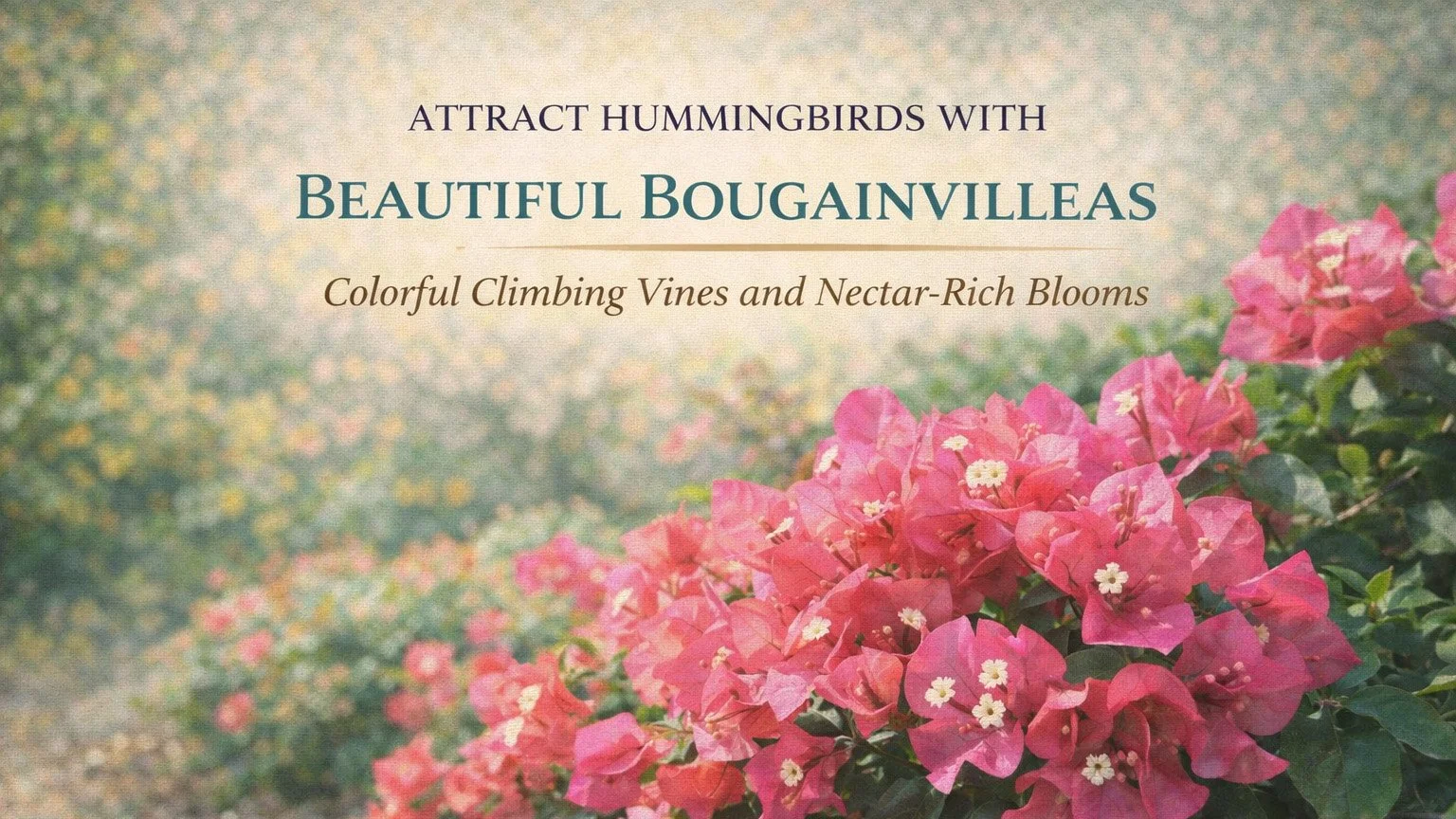
Bougainvilleas are beautiful plants known for their vibrant bracts and thorny vines. While they are visually appealing, their role in attracting hummingbirds is of particular interest to gardeners and bird enthusiasts alike.
Do Bougainvilleas Attract Hummingbirds?
Nectar Source
Flowers and Bracts: The large, colorful bracts are actually modified leaves that protect the tiny, true flowers which produce nectar, attracting hummingbirds.
Continuous Bloom: Bougainvilleas bloom year-round, especially in hardiness zones 9-11, providing a consistent nectar source.
Pollinator-Friendly
Attracts Multiple Pollinators: Besides hummingbirds, butterflies and moths are also attracted to bougainvilleas.
Care Tips for Bougainvilleas
Optimal Conditions
Sunlight: Prefers full sun.
Soil: Requires well-draining soil.
Watering: Moderate watering; let the soil dry between waterings.
Maintenance
Pruning: Prune regularly to maintain shape and encourage blooming.
Protection from Cold: Bring the plant indoors during fall to prevent root freezing.
Conclusion
Bougainvilleas are excellent for attracting hummingbirds due to their nectar-rich flowers and year-round blooms. They add vibrant color and support local pollinators, making them a valuable addition to any garden.
Frequently Asked Questions
Bougainvillea plants are known for their vibrant color and ability to thrive in warm climates. Gardeners often wonder if these striking plants can also attract hummingbirds.
-
Yes. Hummingbirds may visit the small nectar-producing flowers within the colorful bracts.
-
Bougainvillea thrives in warm climates with full sun.
-
Yes. Many gardeners grow bougainvillea in large pots.
-
Once established, bougainvillea can tolerate dry conditions.
-
Common colors include magenta, pink, red, orange, and white.

Please note: The content provided in this article is for educational purposes only and is intended as general information. Results can vary depending on climate, growing conditions, plant variety, and regional differences.