
Cuba Hummingbird Expedition | April 2023
2 New | Smallest Bird in the World
Trip overview
Dates: April 6–10, 2023
Region: Matanzas
Total hummingbird species observed: 2
New species photographed: 2
Focus: Photographing both of Cuba’s resident hummingbirds
Cuba is home to the smallest bird in the world, the Bee Hummingbird. With a short hop from Florida, Cuba was surprisingly easy to reach, and that made it an obvious next destination. With only two hummingbird species regularly found on the island, I did not need weeks. I just needed a few focused days to make sure I photographed them well.
Why Cuba was the logical next step
After working in larger countries with long hummingbird lists, the idea of a place with only two primary hummingbird species felt almost unreal. In Cuba, the Bee Hummingbird and the Cuban Emerald define the entire resident hummingbird community. That simplicity was part of the draw. Instead of juggling dozens of possibilities, I could put all of my effort into understanding these two birds in one specific region.
On this expedition I photographed two new hummingbird species for my list:
Bee Hummingbird (Mellisuga helenae), Near Threatened and endemic
Cuban Emerald (Riccordia ricordii)
The numbers are small. The significance is not.
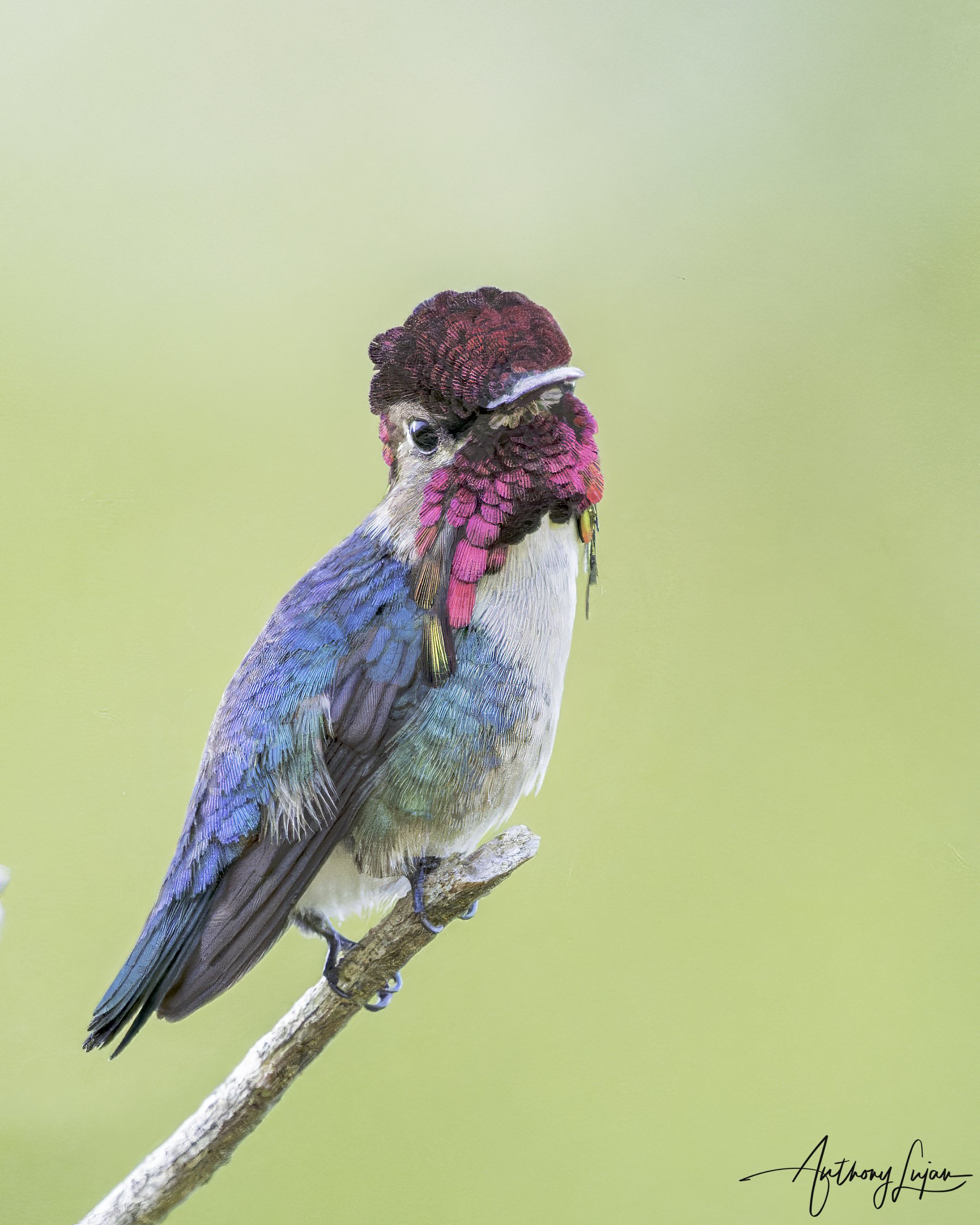
Bee Hummingbird
Smallest bird, big expectations
The Bee Hummingbird is more than a hummingbird target. It is a bird that most people know by title first. Smallest bird in the world. Endemic to Cuba. Near Threatened. By the time you are finally standing in its habitat, the expectations are heavy.
In the field, what strikes you first is size. The Bee Hummingbird is so small that it can easily be mistaken for an insect at a glance. Once you lock in, you start to see the details that make it so remarkable. The speed of the wings, the flash of color when the light hits right, and the way it occupies flowers that would dwarf many other hummingbirds. Photographing it meant working carefully with scale. Branches, leaves, and flowers that feel normal for other species suddenly look oversized. Every composition became a reminder of just how small this bird really is.
Visit the Bee Hummingbird species page here.
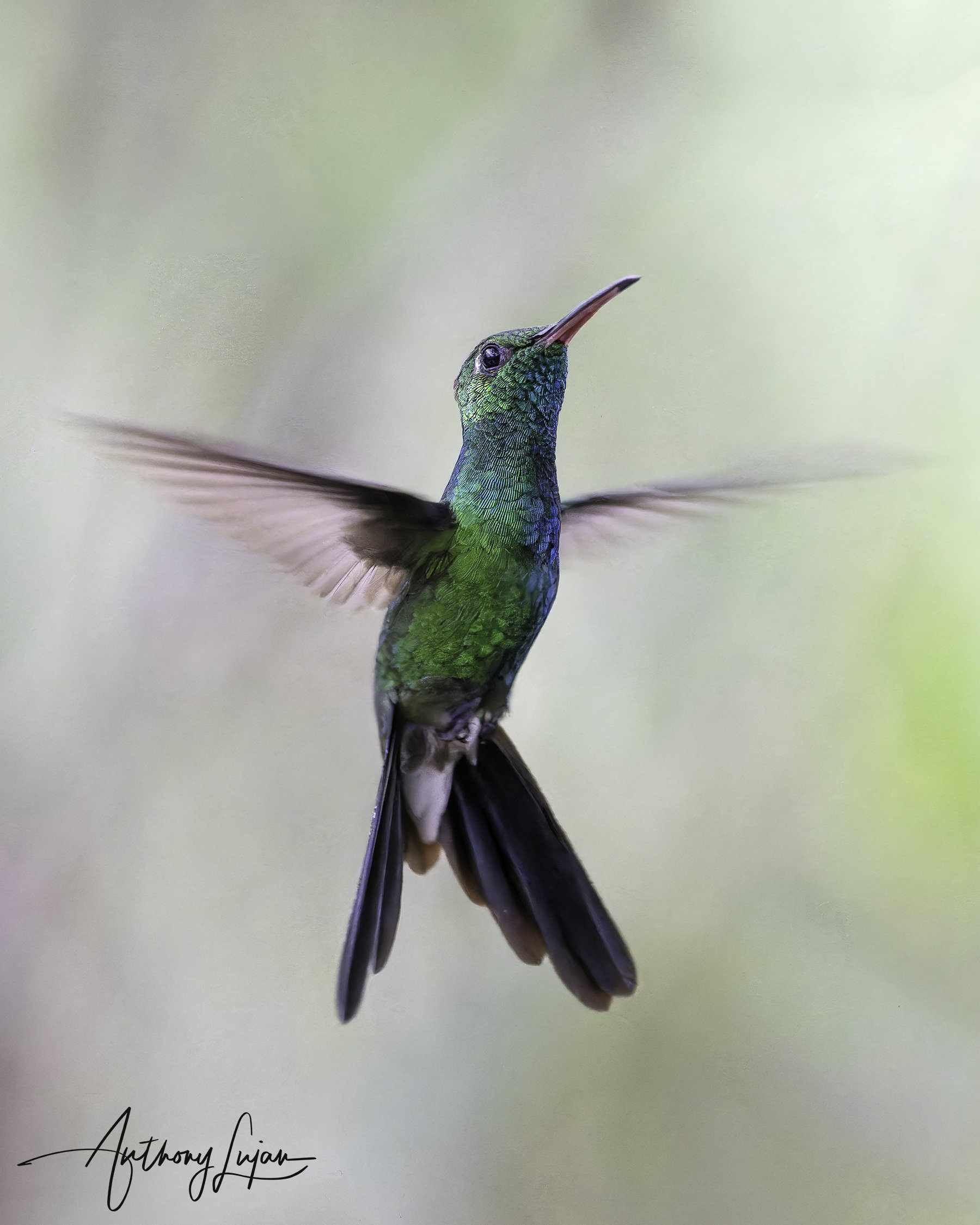
Cuban Emerald
Abundant, adaptable, and unmistakably Cuban
Cuban Emerald is the hummingbird you meet almost everywhere in Cuba. It is common and adaptable, comfortable in a wide range of habitats. In Matanzas I saw it in gardens, scrub, and more natural forest, often moving quickly between flowering trees and shrubs.
For a bird that is considered Least Concern, it carries a lot of the visual identity of the island. Photographing Cuban Emeralds was about embracing repetition. The species showed up often, which meant I could experiment with angles, backgrounds, and behavior instead of hoping for a single chance. It became the dependable presence that framed each day and made the search for the Bee Hummingbird feel even more intense by comparison.
Visit the Cuban Emerald species page here.
A very focused expedition
With only two hummingbirds on the island, this trip looked very different from my larger expeditions. There were no long species lists to track and no large numbers of potential targets pulling my attention in different directions. Instead, the work was all about depth.
For Cuban Emerald, depth meant seeing how it behaved across different parts of Matanzas, how it used gardens versus more natural habitats, and what that said about its adaptability. For Bee Hummingbird, depth meant patience, timing, and careful observation. It meant accepting that you may spend a lot of time in one area for very short, very important moments.
Why this trip still matters
In terms of species count, Cuba is the smallest hummingbird expedition I have taken. In terms of significance, it sits very high on the list. Photographing the Bee Hummingbird, the smallest bird in the world, and pairing that with the everyday presence of the Cuban Emerald, completed an entire country’s resident hummingbird story in just a few days.
This trip also shifted my sense of scale. After Cuba, every list, large or small, felt different. Sometimes the work is not about how many species you can photograph. Sometimes it is about seeing how much meaning can fit into just two.
If you want to explore the full list of species photographed during this trip, you can view the complete travel overview here: 2023 04 Cuba
Cuba hosts 2 hummingbird species; see them all here.
Join me on future trips like this. You can find more details here: Visit Travel with Me!
Frequently asked questions
Every time I mention a Cuba hummingbird trip, the same questions come up. This quick FAQ adds context before you move on to the next Hummingbird Travel Story.
-
Yes. The Bee Hummingbird and the Cuban Emerald are the two resident hummingbirds on the island. Migrant Ruby-throated Hummingbirds appear at times, but the core community is those two species.
-
It requires planning, patience, and local knowledge, but it is very possible with the right guide and sites. The main challenge is its size and speed, not impossibly low numbers.
-
Because together they tell the entire hummingbird story of Cuba. One is abundant and adaptable. The other is tiny, endemic, and carries a unique place in both science and public imagination.
-
Not at all. A small list changes the goal. Instead of collecting as many species as possible, you focus on depth, behavior, and strong images of the birds that truly define a place.
Please note: The content provided in this article reflects Anthony’s personal experience and photographic approach. Results can vary depending on light, weather, location, equipment, subject behavior, and field conditions.