
10 New Species | Where It All Started
Trip overview
Dates: July 19–30, 2021
Regions: Alajuela, Cartago, Guanacaste, San José
Total hummingbird species observed: [add final count if you have it]
New species photographed: 10
Focus: First dedicated hummingbird photography trip
This is where it started to shift. Before this trip, every visit to Costa Rica was about travel, general birding, and enjoying the forests with a camera on the side. In July 2021, I went back with something different in mind: my first true photography expedition built around hummingbirds. I wasn’t a dedicated, hardcore hummingbird photographer yet, but looking back, this is where that story really began.
Why Costa Rica was the starting point
Costa Rica is one of the best places to begin a serious hummingbird project. Within a few hours’ drive, you can move from humid lowland forest to cloud forest, dry forest, and high‑elevation páramo, and each elevation band reshuffles the hummingbirds you see. For a photographer still figuring out what a “hummingbird expedition” should look like, that variety is a gift.
This trip wasn’t built around endangered or micro‑endemic targets. It was about learning how different species behave in different habitats, how quickly conditions change with elevation, and what it actually takes to build a trip around hummingbirds rather than fit hummingbirds into a general tour.
The first ten new species
Over the course of this expedition, I photographed ten hummingbird species that were new to my list. The order of my species counts is:
#5 LC Talamanca Hummingbird (Eugenes spectabilis)
#6 LC Fiery-throated Hummingbird (Panterpe insignis)
#7 LC White-throated Mountain-gem (Lampornis castaneoventris)
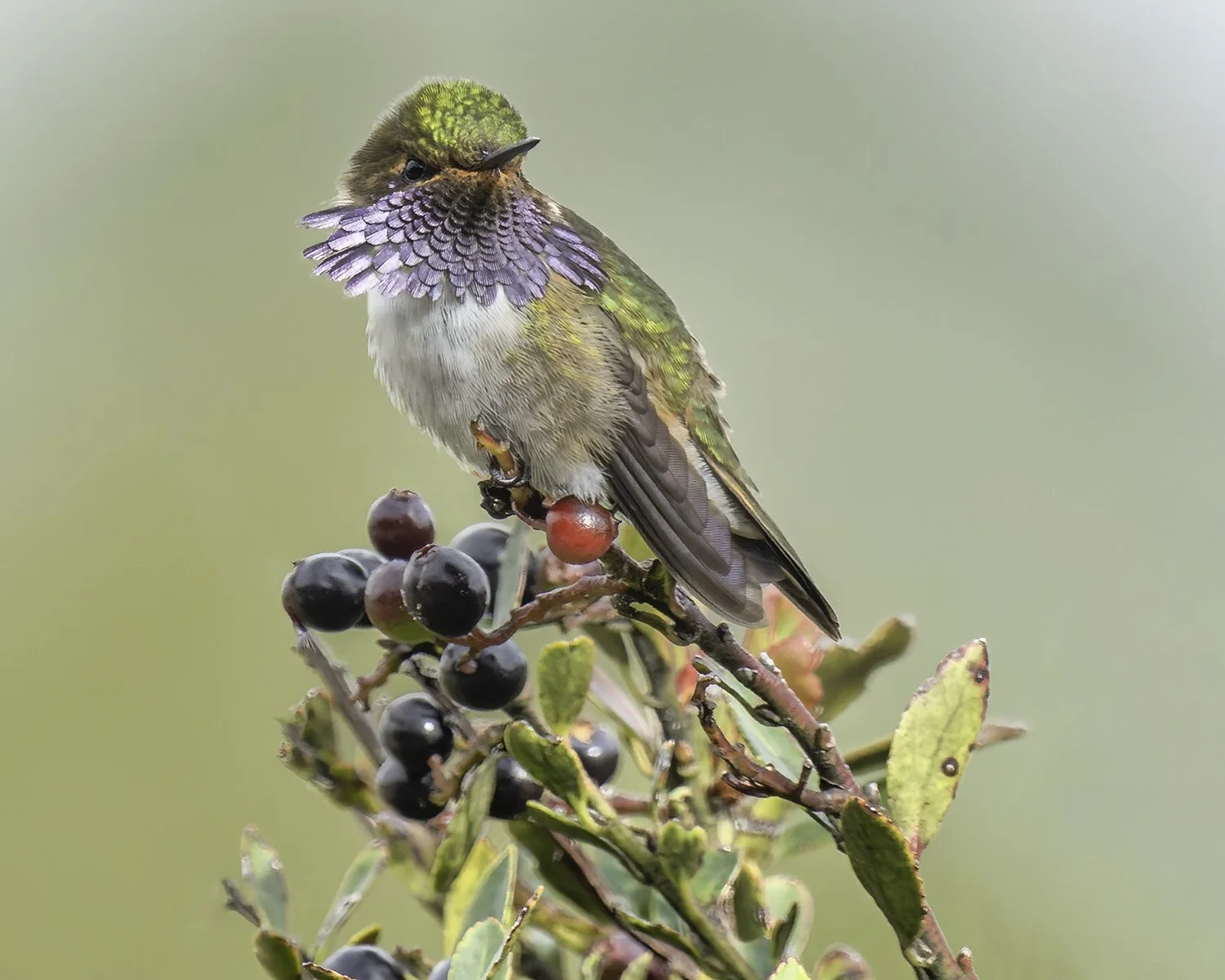
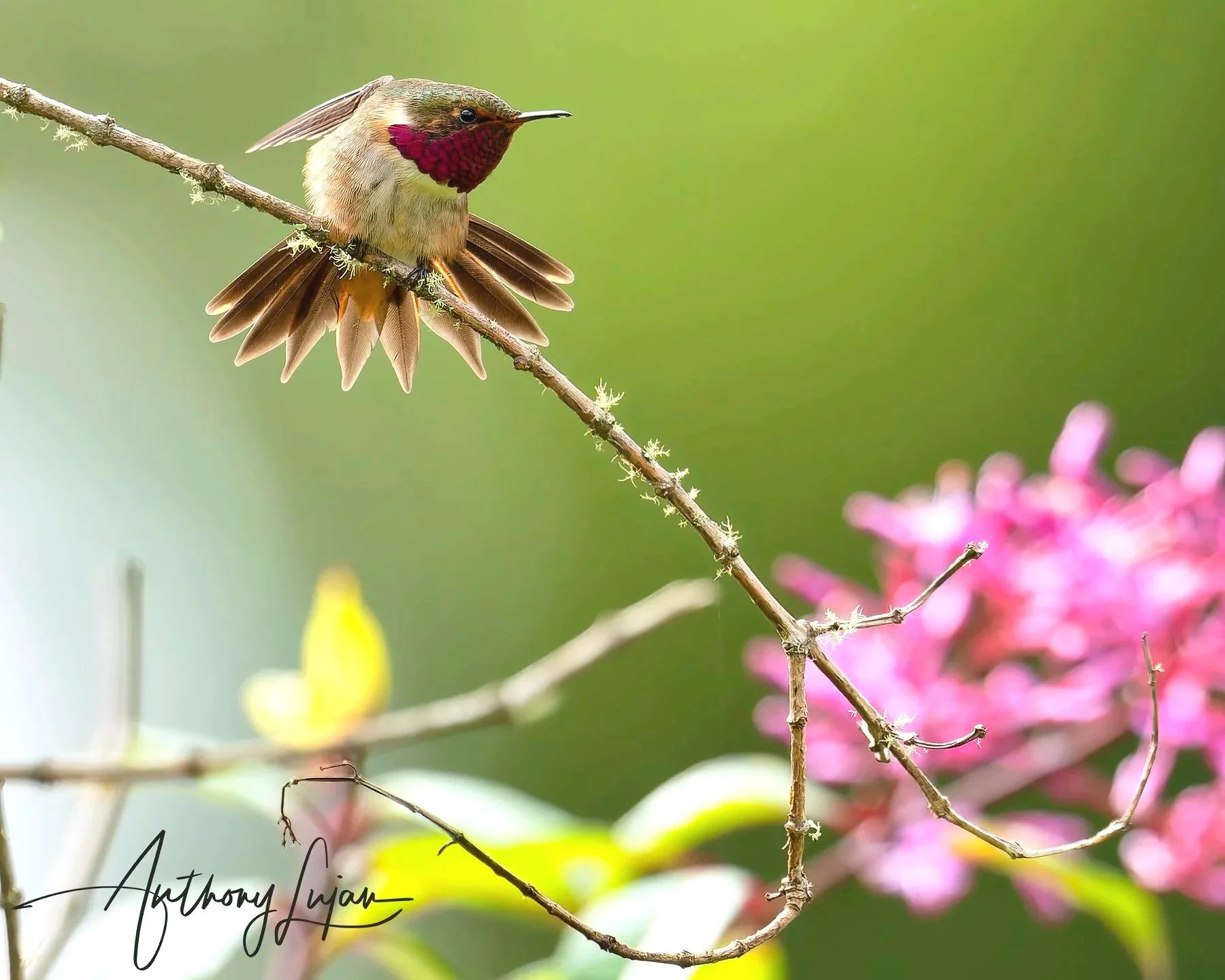
#8 LC Volcano Hummingbird (Selasphorus flammula)
#9 LC Violet-headed Hummingbird (Klais guimeti)
#10 LC Rufous-tailed Hummingbird (Amazilia tzacatl)
#11 LC Bronze-tailed Plumeleteer (Chalybura urochrysia)
#12 LC Coppery-headed Emerald (Microchera cupreiceps)
#13 LC Green-crowned Brilliant (Heliodoxa jacula)
#14 LC Cinnamon Hummingbird (Amazilia rutila)
None of them are endangered, but together they mapped out Costa Rica’s gradients: from lowland and foothill feeders to wind‑battered ridges and cold, wet, high‑elevation forest.
Highland signatures: Four key species
Rather than conservation status, the focus species for this trip were about the place, highland hummingbirds that define what Costa Rica’s mountains feel like.
Coppery-headed Emerald
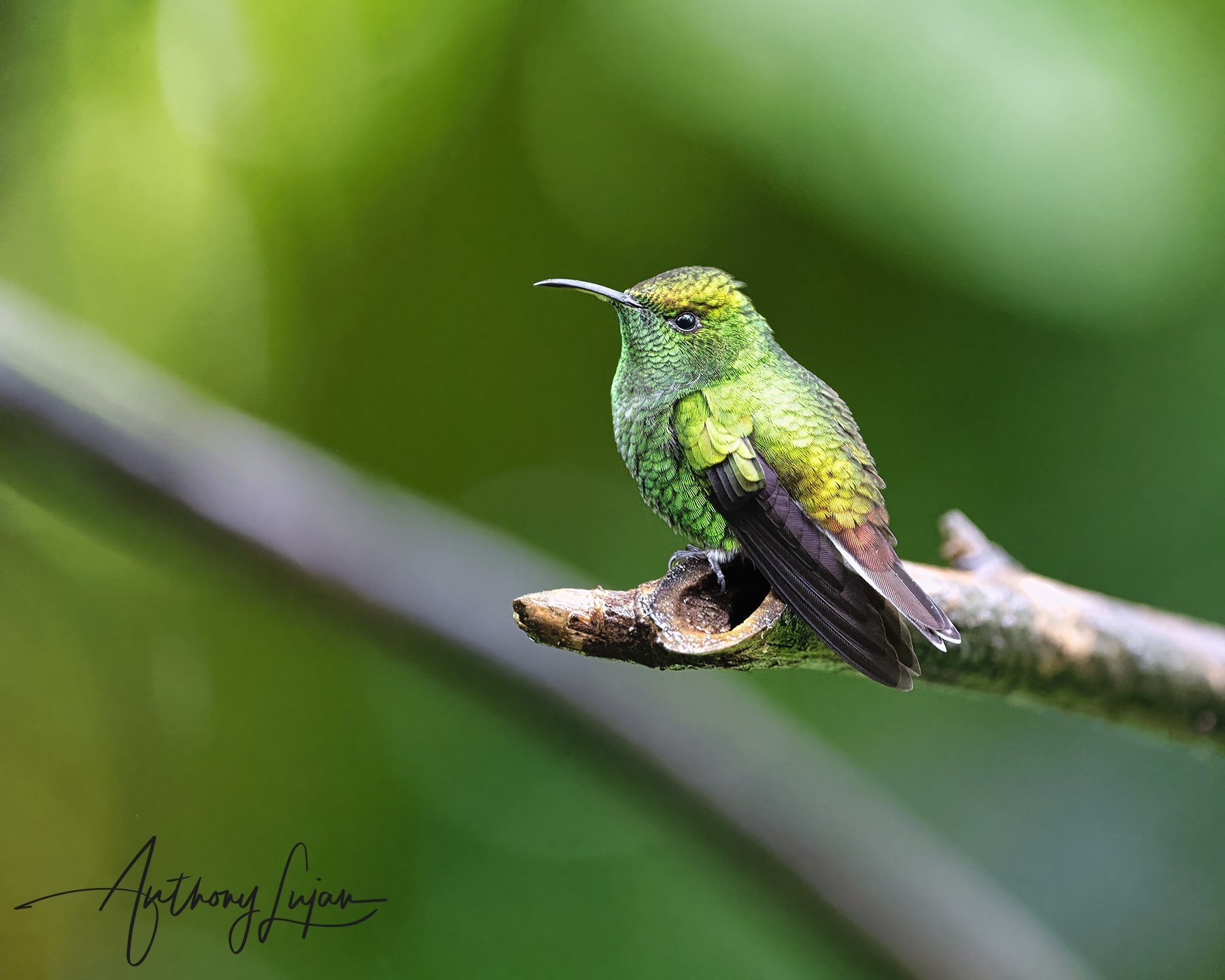
Endemic · Costa Rica highlands
The Coppery-headed Emerald is found only in Costa Rica, tied to the humid montane forests and edges of the northern and central highlands. Cloud and mist move through these forests constantly, and flowering shrubs cluster along edges, clearings, and forest borders.
Photographing Coppery-headed Emeralds on this trip meant working those edges—waiting at flowering shrubs where birds would hover just long enough in a shaft of light to flash those copper and green tones. At the time, “endemic to Costa Rica” was just a note in my field book; now I can see that this small, glittering bird quietly anchored my sense of how place and species can be inseparable.
Fiery-throated Hummingbird
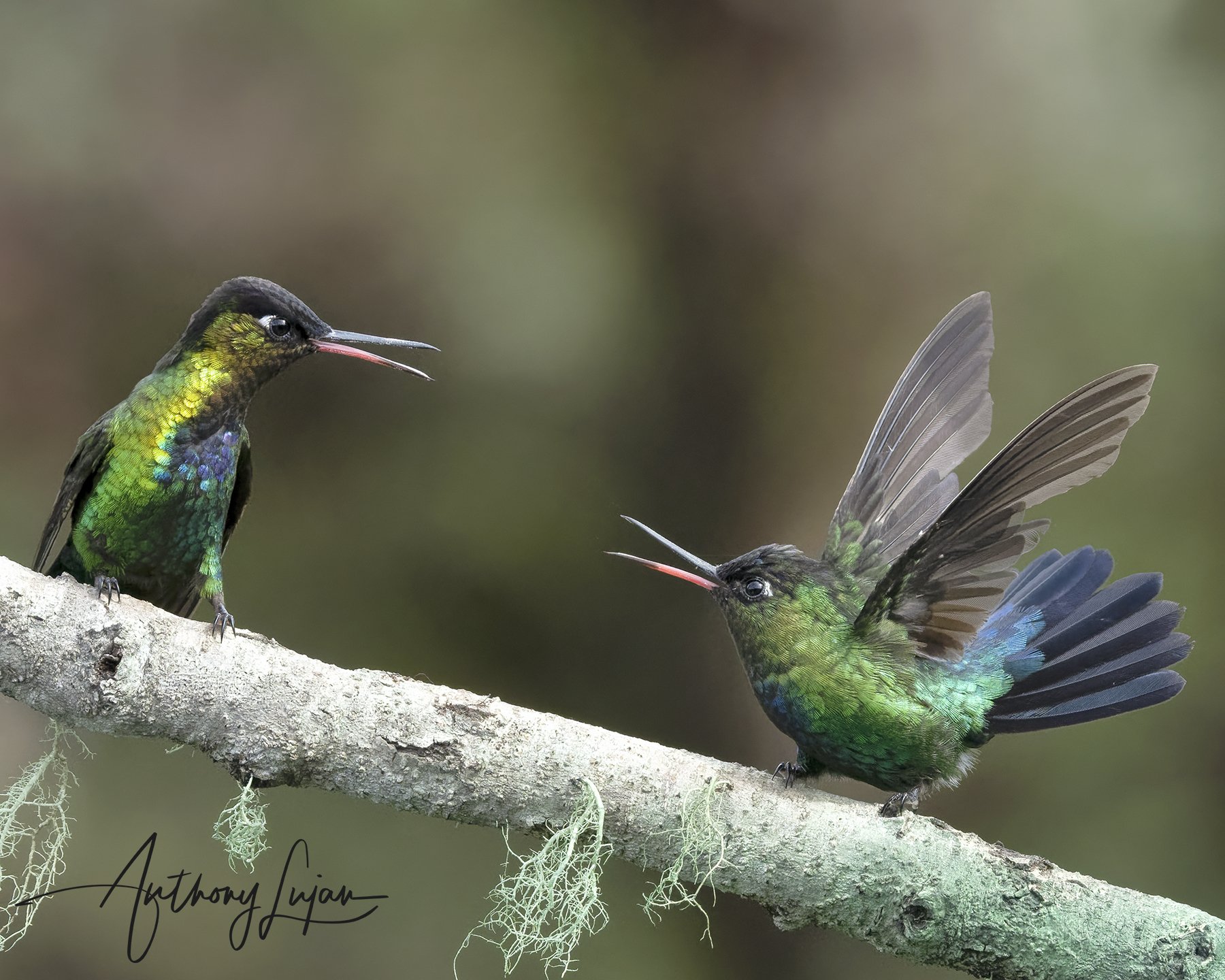
High-elevation specialist
The Fiery-throated Hummingbird is one of the defining birds of Costa Rica’s high mountains, living in cloud forest, highland shrub, and forest edges. In the right light, the throat shifts from deep green to orange and red, like a small ember switching on at the base of the bill.
Most of my encounters were in cold, misty conditions where the bird’s colors stayed muted. I had to wait for brief breaks in the clouds and tiny turns of the head to catch that “fiery” moment. Standing near flowering shrubs in the Talamanca highlands, with wind and fog pushing through the trees, I started to understand how much altitude and weather shape both the bird and the photographs you’re able to make.
Talamanca Hummingbird
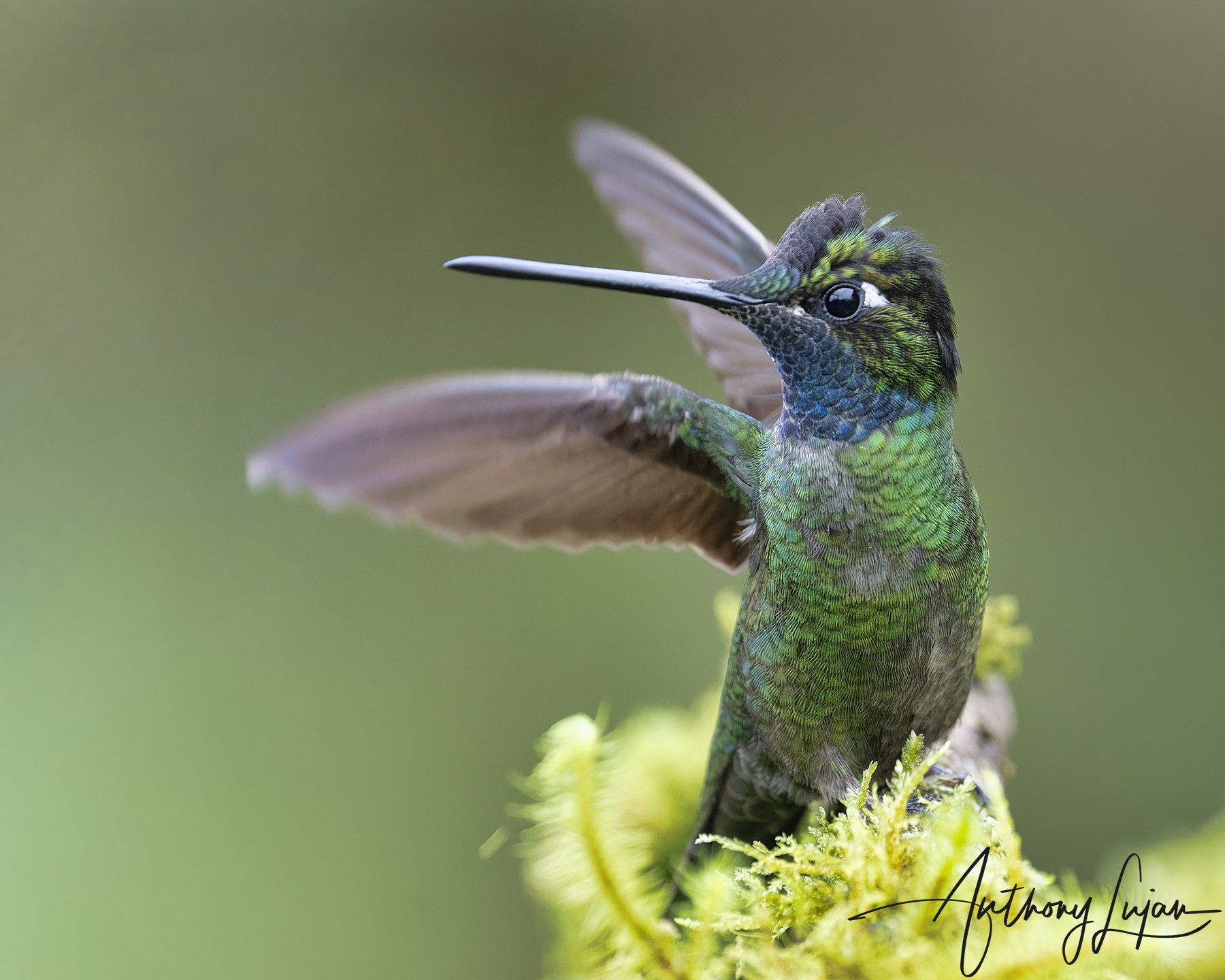
Montane forest giant
The Talamanca Hummingbird is a larger, more imposing mountain species, common in highland forests and edges. It often patrols oak‑dominated cloud forests and surrounding secondary growth, especially at higher elevations where epiphytes hang from branches and flowers cluster at the forest margin.
On this trip, Talamanca Hummingbirds felt like part of the structure of the forest itself—guarding flower patches, chasing smaller hummingbirds, and pausing on exposed perches with a view over the valley. Photographing them forced me to think in vertical layers: canopy versus mid‑story, open gaps versus closed forest, and how a bigger hummingbird uses those layers differently from the tiny species I was used to.
Volcano Hummingbird
Tiny · Volcanic páramo and scrub
The Volcano Hummingbird is one of the smallest hummingbirds in the region, tied to high volcanic landscapes and páramo. It favors highland scrub and windswept slopes near treeline, where shrubs stay low, flowers hug the ground, and the weather can turn quickly.
Most of my time with Volcano Hummingbirds was spent hunched against the wind, tracking birds that stayed close to low shrubs, darting over small blossoms and rarely sitting still. Their size and constant motion made them challenging subjects, but they also showed how specialized some high‑elevation hummingbirds are: small bodies, short flights, and a life built around flowers clinging to cold volcanic slopes.
Learning how to build a hummingbird expedition
Because none of these species were endangered, the pressure on this trip was different. The question wasn’t “will I see this at all?” but “can I make the most of the chances I do get?” I was learning how to:
Plan days around light, not just locations.
Think in elevation bands rather than just “sites.”
Balance time at feeders with time in wild habitat.
Adapt to shifts in weather that completely changed behavior.
In many ways, this was a rehearsal for the more focused, high‑stakes expeditions that came later. The habits I built here, tracking conditions, understanding gradients, and refining field awareness, became the foundation for my later work with truly rare and threatened species.
Why this trip still matters
Looking back, this Costa Rica expedition feels like the moment the work started to narrow and focus. I went from someone who loved photographing wildlife and landscapes to someone who was starting to build a dedicated hummingbird project. The species were mostly common or locally common, but the lessons were anything but basic.
Every trip since has added more complexity, more remote regions, rarer hummingbirds, and sharper conservation questions. But this is where the structure came from: one country, four regions, ten new species, and the realization that hummingbirds could move from a side interest to the center of my photography.
If you want to explore the full list of species photographed during this trip, you can view the complete travel overview here: 2021 07 Costa Rica
Costa Rica hosts 53 hummingbird species, see the ones I’ve photographed.
Join me on future trips like this. You can find more details here: Visit Travel with Me!
Frequently asked questions
Every expedition raises similar questions about where these hummingbirds live and what it takes to find them. This quick FAQ covers the basics before you dive into the next trip.
-
Costa Rica packs lowland rainforest, dry forest, cloud forest, and high‑elevation páramo into a small area, so you can see a wide range of hummingbirds over a single trip.
-
An endemic hummingbird is found naturally only in one country or a very limited region; the Coppery-headed Emerald, for example, is restricted to Costa Rica’s highlands.
-
No. All of the species highlighted on this trip are considered Least Concern globally, though some are still localized or tied to specific high‑elevation habitats.
-
Highland hummingbirds like Fiery-throated, Talamanca, and Volcano Hummingbirds show how elevation, weather, and habitat shape behavior—lessons that become essential on later expeditions targeting rarer species.
Please note: The content provided in this article reflects Anthony’s personal experience and photographic approach. Results can vary depending on light, weather, location, equipment, subject behavior, and field conditions.