
Dominican Republic Hummingbird Expedition | October 2023
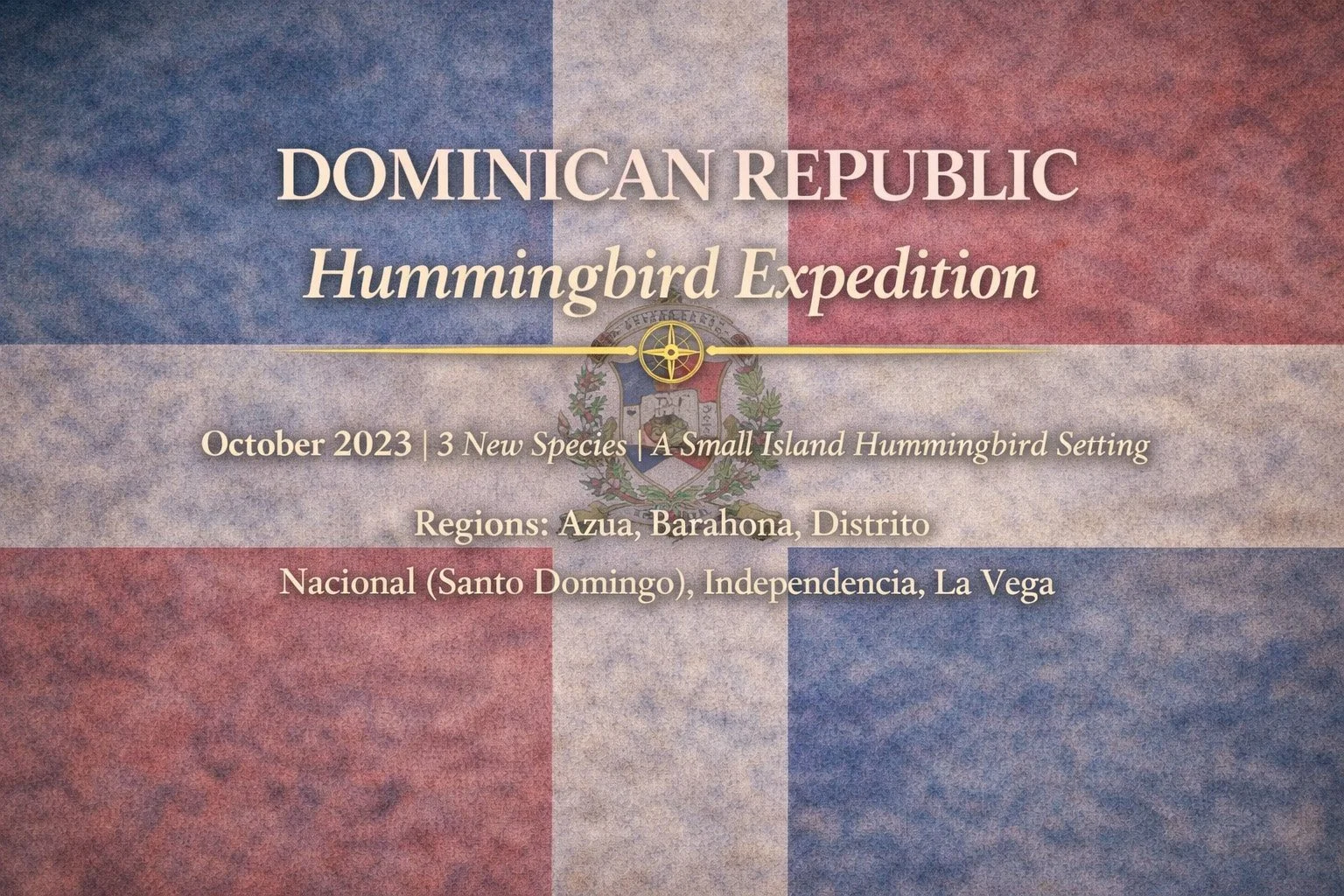
3 New | A Small Island Hummingbird Setting
Trip overview
Dates: October 5–15, 2023
Regions: Azua, Barahona, Distrito Nacional (Santo Domingo), Independencia, La Vega
Total hummingbird species observed: 3
New hummingbird species photographed: 3
Focus: Photographing all resident hummingbirds of Hispaniola on a tight schedule
New island, new opportunities. The Dominican Republic was never going to be a high‑species‑count hummingbird trip. The island of Hispaniola is home to only three resident hummingbirds, all of them endemic at the island level. The Vervain Hummingbird has long been known as one of the smallest birds in the world, and the discovery and recognition of the Bee Hummingbird in Cuba pushed it into second place. Did I need ten days to photograph three hummingbirds. Absolutely not. In reality, this trip existed because I had an appointment at the Venezuelan consulate in Santo Domingo for a visa, and I built a hummingbird plan around that fixed date.
Why the Dominican Republic was worth a dedicated stop
With only three resident hummingbird species, the Dominican Republic might look like a brief stop rather than a full expedition. In practice, it offered something unique. A chance to work with a complete island hummingbird community in a single trip, while moving through very different parts of Hispaniola. From coastal lowlands and dry scrub in Azua and Independencia, to higher elevations around La Vega, and urban time in Santo Domingo, the goal was to understand how three species divide an entire island between them.
During this expedition, I photographed three hummingbird species, all of them new to my list:
#168 LC Vervain Hummingbird, Mellisuga minima
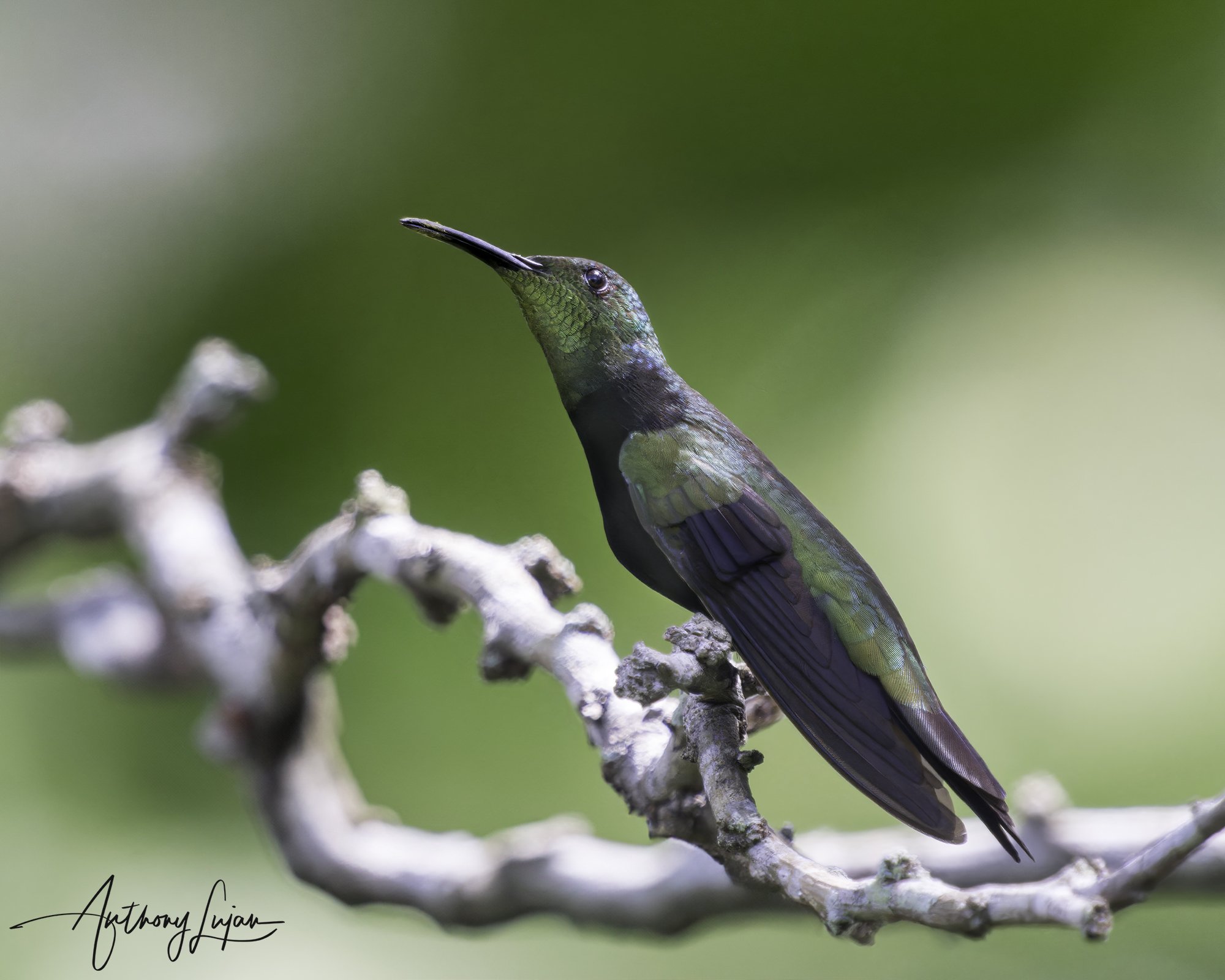
#169 LC Hispaniolan Mango, Anthracothorax dominicus
#170 LC Hispaniolan Emerald, Riccordia swainsonii
The numbers are simple. The story behind how each species fits into the island is not.
Vervain Hummingbird

Tiny, fast, and easy to underestimate
Vervain Hummingbird is one of the smallest birds on Earth. On Hispaniola and Jamaica it is common and widespread, but seeing it well is a very different experience from simply noticing it is there. At a glance, it can pass as an insect. Only when you lock in do you see the structure, the posture, and the way it holds itself at flowers.
Most of my time with Vervain Hummingbirds was spent in lower elevation sites with gardens, scrub, and scattered trees. It is a flexible bird, but its size makes every composition tricky. Flowers loom large, branches feel thick, and even a small patch of leaves can overwhelm the frame. This species taught me that “very small” needs its own kind of field approach. Slower panning, tighter framing, and more care with backgrounds, so the bird does not get lost inside its own environment.
Hispaniolan Mango
Big presence in open country
Hispaniolan Mango is the opposite end of the island hummingbird spectrum. Larger, more obvious, and very comfortable in open and semi open habitats. In many places it is the hummingbird you notice first. It works flowering trees, ornamental plantings, and natural blooms with a confidence that matches its size.
I encountered Hispaniolan Mangos from coastal lowlands to more disturbed areas near towns and roads. Photographing them was about managing movement and light more than scale. They patrol, chase, and hold favored trees, which creates plenty of chances if you are willing to sit with one patch of flowers for a while. This species grounded the trip in the everyday reality of the island. It is the hummingbird that many people in the Dominican Republic see without thinking about it, and documenting it well felt as important as any rarer bird.
Hispaniolan Emerald

Highland shimmer, island middle ground
Hispaniolan Emerald fills the space between the other two. It is smaller than Hispaniolan Mango and larger than Vervain Hummingbird, and ecologically it sits in the middle as well. I saw it most often in higher elevation or more forested settings, especially in places like La Vega where the landscape pulls you into the mountains and cooler air.
In those habitats, the emeralds worked flowering shrubs and forest edges, often calling from semi concealed perches before moving into the open. Photographing Hispaniolan Emeralds meant watching how they used elevation and structure to their advantage. They are not as showy as the mango, and not as tiny and frenetic as the vervain. They are a precise fit for the island’s mid and higher elevation spaces. Seeing that three way division in person made the “only three species” story feel much more complex.
A ten day trip for three hummingbirds
On paper, ten days for three species looks excessive. In reality, those days were split between two goals. Completing the Dominican Republic hummingbird set, and holding space around an immovable appointment at the Venezuelan consulate for a visa. The extra time gave me room to revisit sites, adjust to weather, and work on better images rather than just first encounters.
With abundant species, it is easy to move on after a single decent frame. With only three hummingbirds to work with, I could afford to stay longer and push for stronger behavior, better light, and more intentional compositions. This trip showed me what happens when the species list is short, but the time is generous. You stop thinking about “enough” and start thinking about “how good can this be.”
If you want to see the full list of species photographed during this trip, you can view the complete travel overview here: 2023 10 Dominican Republic
Dominican Republic hosts 3 hummingbird species; see the ones I’ve photographed.
Join me on future trips like this. You can find more details here: Visit Travel with Me!
Frequently asked questions
Every time I talk about the Dominican Republic, people are surprised there are only three hummingbird species. This quick FAQ adds context before you move on to the next Hummingbird Travel Story.
-
Yes. The resident hummingbirds of Hispaniola are Vervain Hummingbird, Hispaniolan Mango, and Hispaniolan Emerald. All three are endemic at the island level.
-
Yes. Vervain Hummingbird is recognized as one of the smallest birds on Earth. The Bee Hummingbird in Cuba is smaller, but Vervain still holds second place in that conversation.
-
Not at all. A small list changes the goal. Instead of chasing numbers, you focus on depth, behavior, and strong images of the birds that define an entire island.
-
Because travel often involves practical logistics. Having a fixed appointment in Santo Domingo gave me a window of time in which I could also complete the entire Dominican Republic hummingbird set.
Please note: The content provided in this article reflects Anthony’s personal experience and photographic approach. Results can vary depending on light, weather, location, equipment, subject behavior, and field conditions.