
Puerto Rico Hummingbird Expedition | September 2026
5 New Species • 3 Island Endemics
September 5–12, 2026
Barceloneta • Cataño • Salinas • Utuado
Trip Overview
In September 2026, I traveled to Puerto Rico for an eight-day hummingbird photography expedition with local guide Gabriel Lugo. Our itinerary included Barceloneta, Cataño, Salinas, and Utuado, and I hoped to add five hummingbird species to my photographic journey.
Three were especially important: the Puerto Rican Mango, Green Mango, and Puerto Rican Emerald. These are Puerto Rico's three endemic hummingbirds, found nowhere else in the world.
By the end of our second day, I had photographed all five species, bringing my photographic species to 251 hummingbirds.
With no additional species left on our target list, Gabriel and I changed our plans. Rather than continuing from one location to another, I wanted to spend the remaining days getting to know the hummingbirds we had already encountered. That meant more time observing their behavior, capturing photographs, recording video footage, and simply being in their presence.
As the expedition unfolded, I also had the pleasure of meeting people whose knowledge, hospitality, and appreciation for Puerto Rico's birds made the experience especially memorable.
Five New Hummingbird Species
The five additions to my photographic collection were:
Puerto Rican Mango (Anthracothorax aurulentus) — Puerto Rico endemic
Green Mango (Anthracothorax viridis) — Puerto Rico endemic
Puerto Rican Emerald (Riccordia maugaeus) — Puerto Rico endemic
Green-throated Carib (Eulampis holosericeus)
Antillean Crested Hummingbird (Orthorhyncus cristatus)
Puerto Rican Mango
Photographed in Barceloneta, Puerto Rico
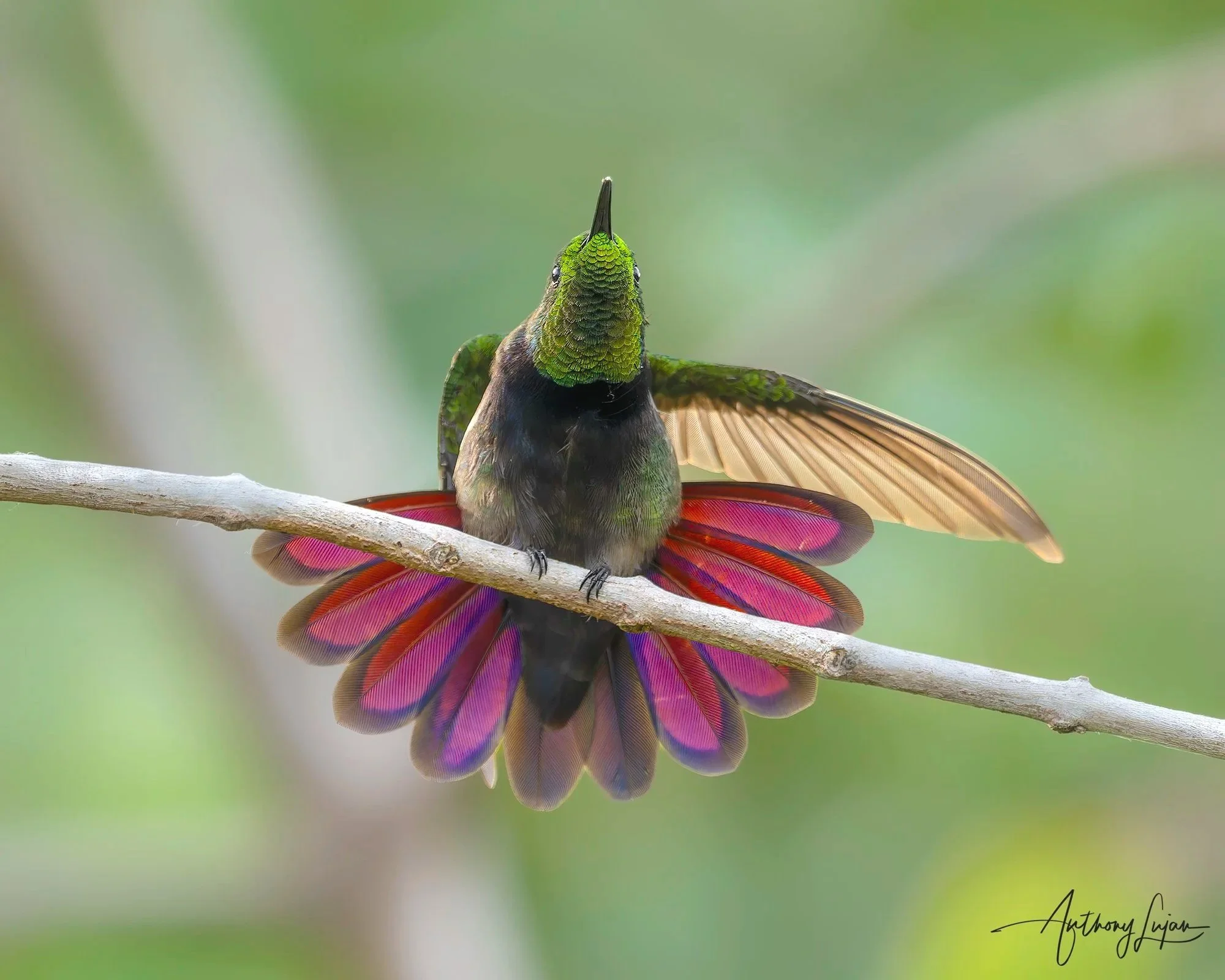
The Puerto Rican Mango became my 247th photographed hummingbird species.
Although Gabriel and I encountered this species elsewhere, my closest photographic opportunities came in his backyard in Barceloneta.
The Puerto Rican Mango is a beautiful hummingbird with dark, iridescent plumage that reveals different colors depending on the angle of the light. Photographing it at close range let me appreciate details that are sometimes difficult to capture during more distant encounters.
This species also has an interesting taxonomic history.
For many years, the Puerto Rican Mango and Hispaniolan Mango (Anthracothorax dominicus) were considered a single species known as the Antillean Mango.
In 2022, the American Ornithological Society recognized them as separate species after reevaluating their physical differences. Those differences were considered comparable to distinctions separating other recognized species within the genus Anthracothorax.
It is interesting to see how our understanding of hummingbird diversity continues to change as scientists revisit established classifications.
Photographing the Puerto Rican Mango at Gabriel's home was a memorable beginning to the expedition. It also reinforced something I've encountered on other photography trips: some of the best hummingbird encounters happen where people live alongside the birds.
The visit also held an unexpected personal connection. I had the pleasure of meeting Gabriel's three dogs, two of them Shih Tzus. Having shared my life with my boy Rusty, also a Shih Tzu, for the past 16 years, the encounter was especially meaningful.
Just a couple of weeks earlier, I had said goodbye to my beloved Rusty. Meeting Gabriel's dogs brought back fond memories of the years Rusty and I shared and offered a small moment of comfort as I grieved his loss.
Taxonomic reference: Birds of the World — Puerto Rican Mango.
Two More Endemics and Utuado's Conservation Oasis
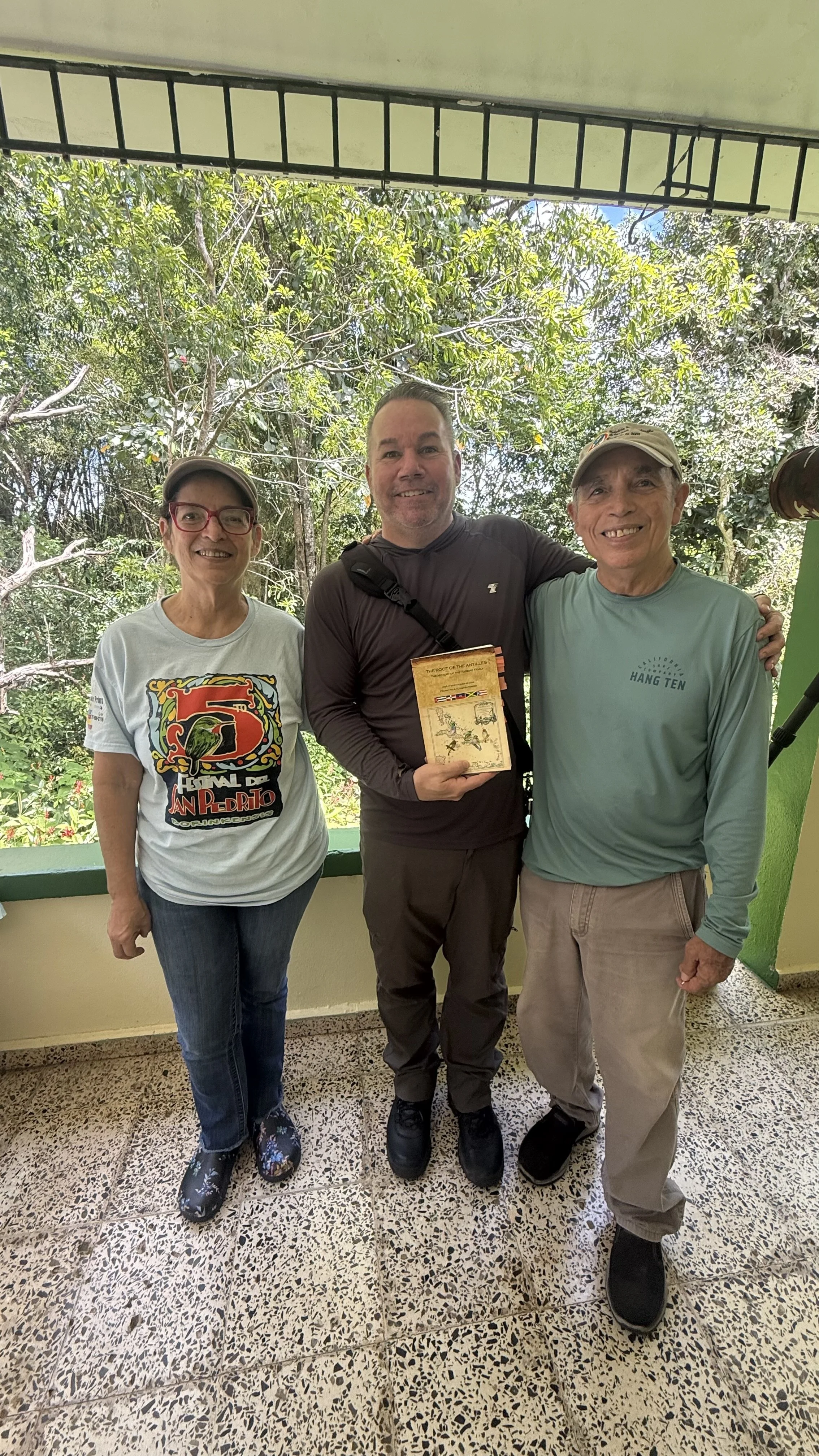
My time in Utuado included a visit to the home and garden of José (Pepe) González Díaz and Felisa (Fela) Collazo Torres.
Pepe and Fela have transformed their property into a conservation oasis where native birds can find food and shelter. For my expedition, it offered the opportunity to photograph two more Puerto Rican endemic hummingbirds: the Green Mango and Puerto Rican Emerald.
Several other interesting species also visit their garden, including the Scaly-naped Pigeon, Puerto Rican Lizard-Cuckoo, Puerto Rican Tody, and Puerto Rican Woodpecker.
Beyond their garden, Pepe and Fela have an impressive background in Caribbean natural history.
Pepe holds a bachelor's degree in natural science and a master's degree in statistics and research. Fela holds bachelor's degrees in visual arts and psychology. Both are natural history videographers.
They are also the authors of The Root of the Antilles: The History of the Todidae Family, a book about the natural history of todies.
The Todidae family contains one living genus, Todus, and five recognized species, all restricted to the Greater Antilles. One of those species, the Puerto Rican Tody, can be found around their property.
I appreciated the opportunity to visit their garden, learn about their work, and photograph the hummingbirds that visit their home.
Green Mango
Photographed in Utuado, Puerto Rico
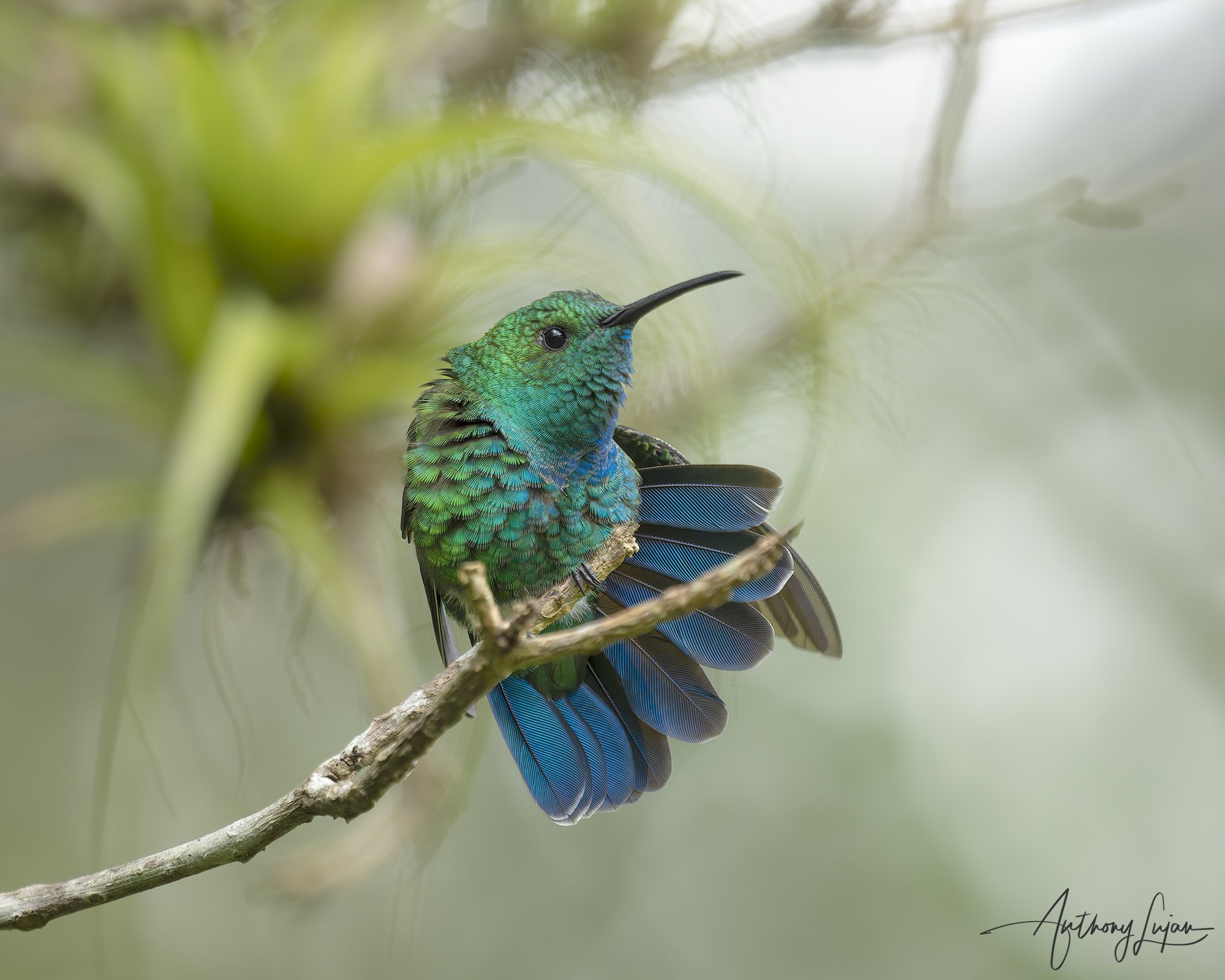
The Green Mango became my 248th photographed hummingbird species.
This relatively large hummingbird is found in Puerto Rico's forested interior and is distinguished by its metallic-green plumage.
One thing I appreciate about photographing hummingbirds is how much their appearance can change with the light. The Green Mango is a good example. Its plumage can appear relatively subdued from one angle and brilliantly iridescent from another.
Photographing this species at Pepe and Fela's garden let me observe those changing colors while adding another Puerto Rican endemic to my journey.
Puerto Rican Emerald
Photographed in Utuado, Puerto Rico
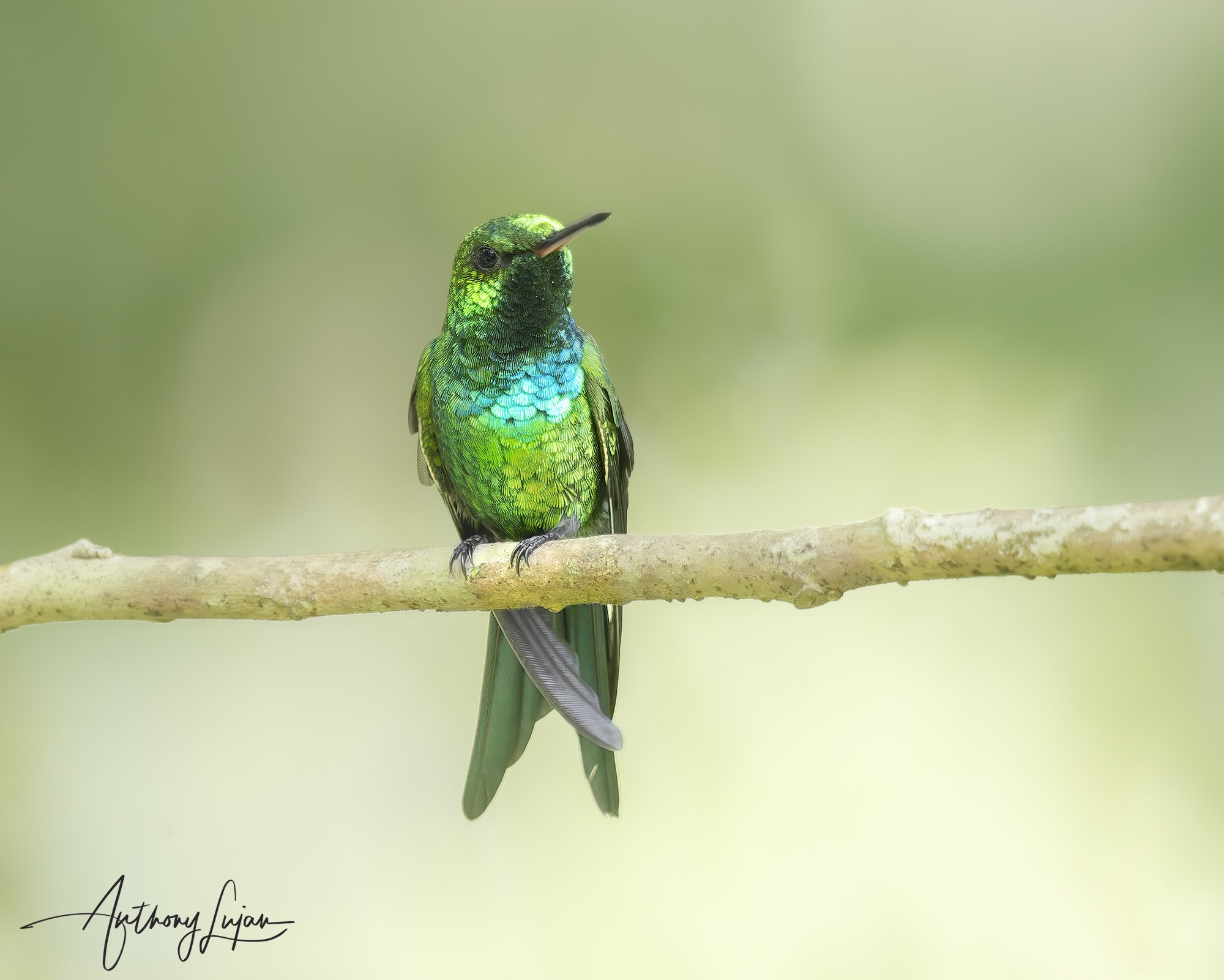
The Puerto Rican Emerald became my 249th hummingbird species photographed.
Our visit to Pepe and Fela's conservation garden gave me the chance to photograph this small, remarkable hummingbird in an environment where native birds are welcome.
The Puerto Rican Emerald is considerably smaller than the two mango species. Its compact size, slender bill, and iridescent green plumage make it a beautiful but challenging subject to photograph.
Small hummingbirds can be particularly demanding to photograph. Their rapid movements, frequent position changes, and small size require precise focus and careful composition.
Like other iridescent hummingbirds, the Puerto Rican Emerald's appearance can change dramatically depending on the light. Capturing its feather detail and natural coloration is one reward of spending additional time with the species.
After photographing all five new species within the first two days, we revised our itinerary to devote more time to the Puerto Rican Emerald. We spent two more days at the end of the trip with Pepe and Fela.
This was one advantage of accomplishing our species objectives early. Rather than being limited to an initial encounter, we had additional opportunities to observe the Puerto Rican Emerald, learn more about its behavior, and capture both photographs and video footage.
Spending more time with the species led to an interesting discovery. I noticed that the Puerto Rican Emerald visited the quieter area behind the house, where there was little human activity, more frequently than the area where we had initially been photographing it. This observation helped me better understand its movements and provided additional photographic opportunities.
Experiences like this reinforce why I value having the flexibility to adjust an itinerary. Sometimes, spending more time in one location reveals more about a hummingbird's behavior than moving on to another location ever could.
Green-throated Carib
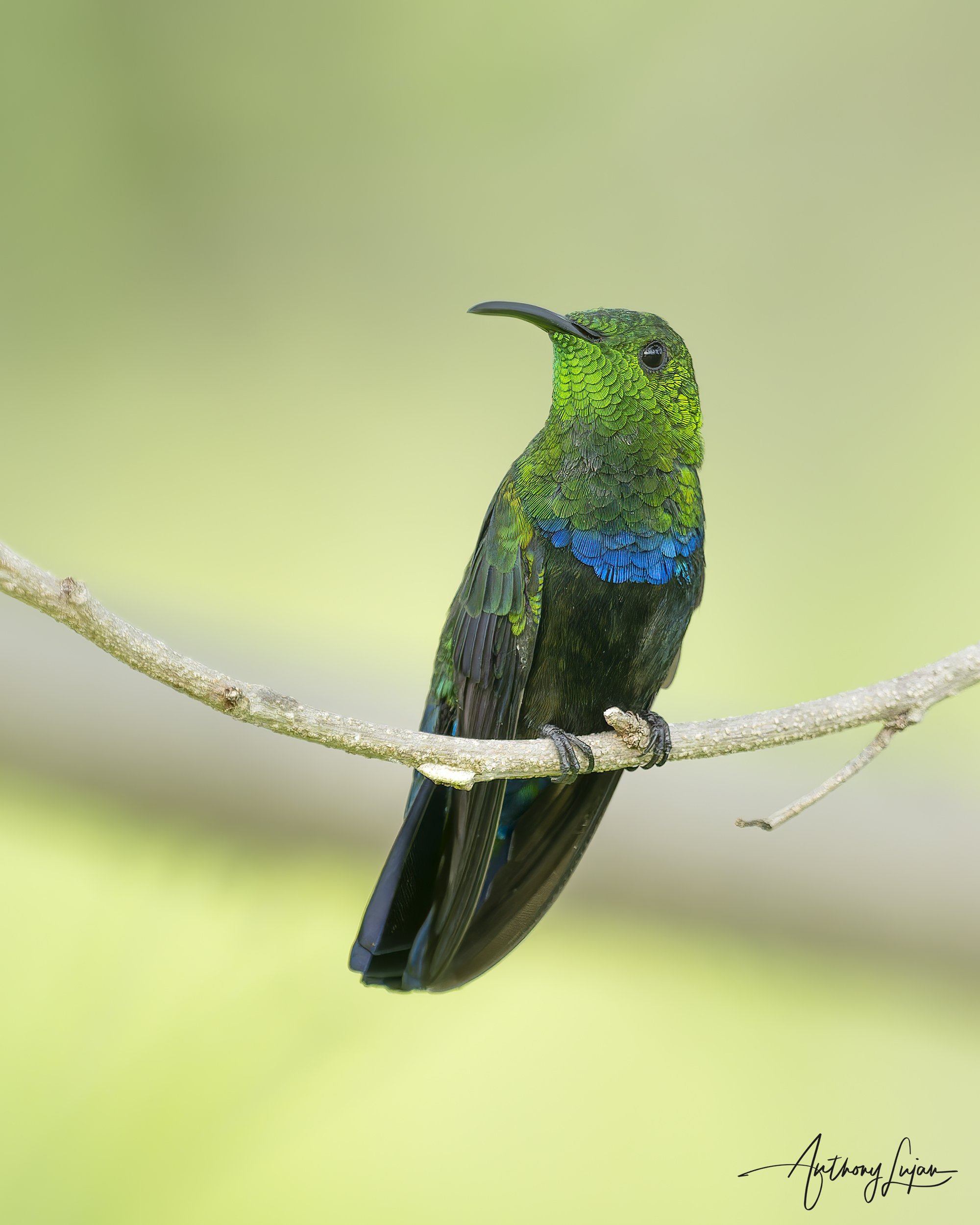
The Green-throated Carib became my 250th photographed hummingbird species, marking another milestone in my ongoing effort to document the hummingbirds of the Americas.
One memorable part of the expedition was visiting the home of fellow birder and nature lover Ana, who generously welcomed us to photograph this remarkable Caribbean hummingbird.
Unlike Puerto Rico's three endemic hummingbirds, the Green-throated Carib occurs on several islands throughout the Caribbean. It is particularly distinctive for its strongly curved bill and iridescent green throat. The shape of its bill also reflects the close relationship between hummingbirds and the flowers from which they feed.
Ana's hospitality made the encounter especially enjoyable, and we discovered that we had friends in common. I took a photograph with her and sent it to our mutual friend, Diego Calderon-Franco, with the message, “Look who I'm with!” His response was one of immediate joy and delight.
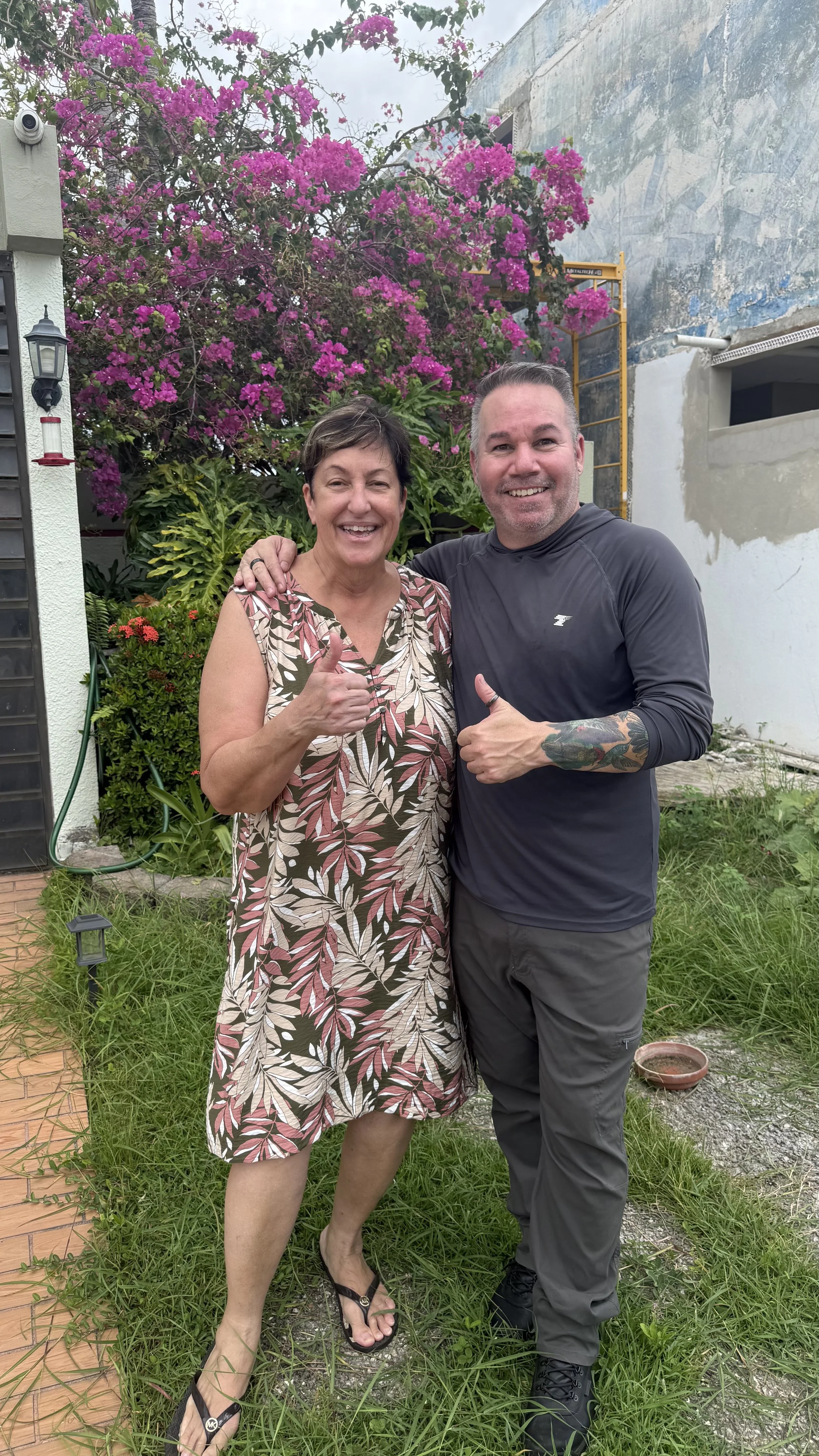
It was one of those unexpected connections that made the expedition memorable. Not only had I reached my 250th photographed hummingbird species, but I also had the pleasure of sharing the experience with someone connected to a friend from another part of my hummingbird journey.
Antillean Crested Hummingbird
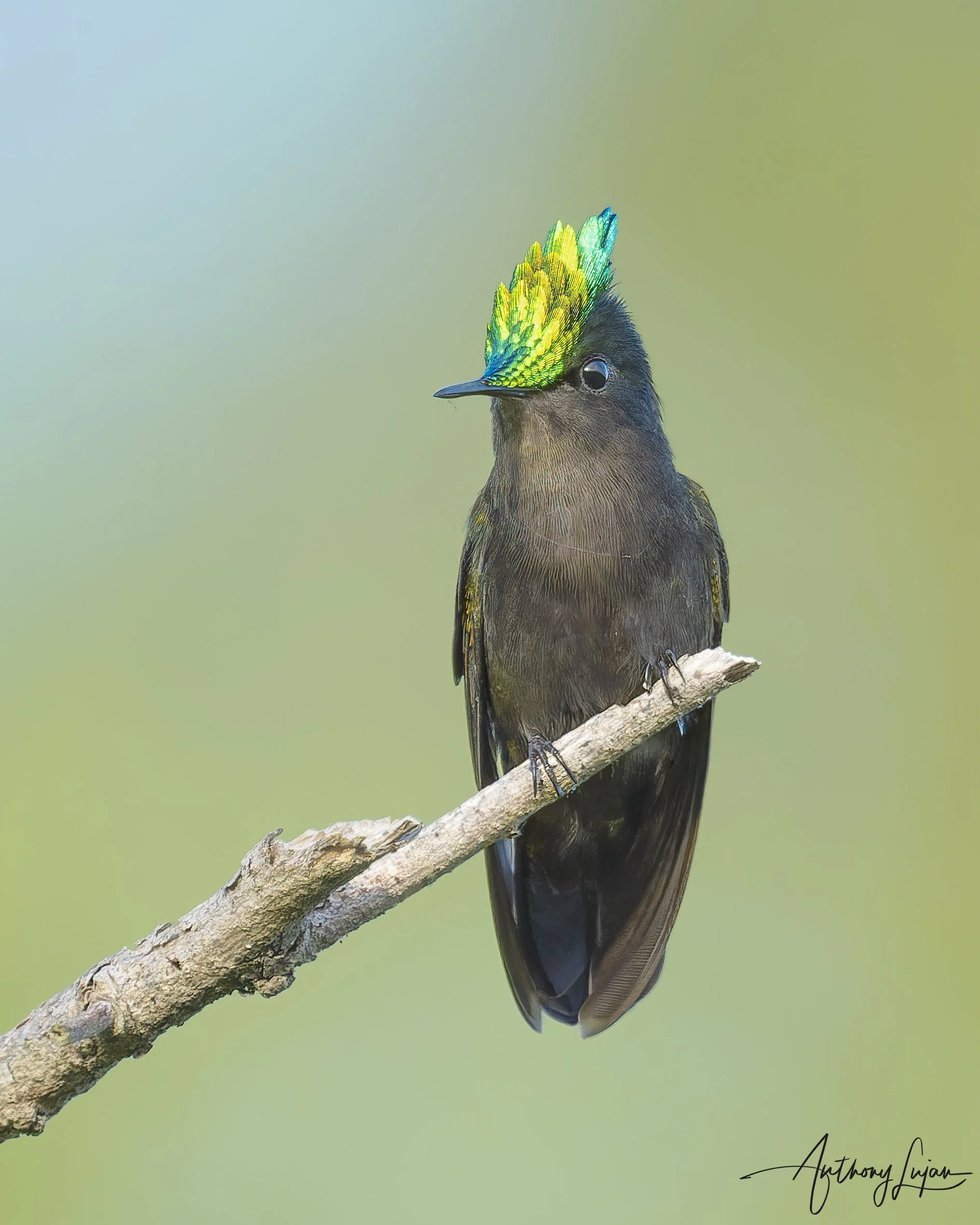
The Antillean Crested Hummingbird is a hummingbird I had only dreamed of. Its distinctive crest and striking appearance had long captured my imagination, and I hoped Puerto Rico would finally give me the chance not only to see this beautiful species but also to photograph it well.
The Antillean Crested Hummingbird has five recognized subspecies, each with its own geographic range and plumage variations. The differences among these island populations make the species particularly fascinating to me. Photographing this hummingbird in Puerto Rico would mean fulfilling a long-held dream.
Gabriel knew of a reliable location for finding this species. On his typical tours, he generally spends only a couple of hours there, but he knew who I was and prepared to devote a day or two to photographing it.
His usual location included a group of flowering trees where the hummingbirds regularly came to feed and, with some luck, would perch long enough for photographs.
This time, however, the birds had other plans.
We watched them arrive to feed high in the trees, but instead of settling on a nearby branch, they simply flew away. We knew the hummingbirds were in the area, but they didn't appear to be resting or perching near the feeding trees.
I challenged Gabriel to find where they were spending their time between feeding visits. Rather than continue waiting beneath the same trees, I wanted to discover where the birds were actually perching. My experience told me to look nearby.
Having additional days available gave us the flexibility to search for a better setting.
Gabriel eventually found an excellent spot where several male Antillean Crested Hummingbirds were actively defending their territories. It was exactly the opportunity I had been hoping for.
Instead of catching brief glimpses as they fed high in the trees, I could spend time watching the males perch, monitor their surroundings, and defend their territories. Their distinctive crests were especially impressive when they settled onto exposed perches or feeding eye level.
The new location gave me the chance to capture the photographs and video footage I had envisioned long before arriving in Puerto Rico. Finally seeing these remarkable hummingbirds perched with their crests on display was an experience I will always remember.
What made this encounter especially rewarding was that we didn't settle for the initial photographic opportunities. By paying attention to the birds' behavior and looking beyond their feeding trees, Gabriel found a location that let me observe and photograph them in an entirely different setting. Having guides who are equally invested and excited about getting the best photographic experience is priceless.
For years, the Antillean Crested Hummingbird had been a species I longed to see and photograph. Thanks to Gabriel's persistence and our willingness to change plans, that dream became a reality.
And fittingly, this remarkable hummingbird became the 251st species I've photographed on my journey to document the hummingbirds of the Americas.
Hurricane Maria and the Vulnerability of Island Hummingbirds
During one of our drives across Puerto Rico, Gabriel shared his memories of Hurricane Maria, which devastated the island in September 2017.
He described the damage to the forests, including trees stripped of their leaves and landscapes dramatically changed by the storm.
Maria struck Puerto Rico as a Category 4 hurricane, causing extensive defoliation, broken branches, uprooted trees, and damage to forest canopies.
Listening to Gabriel reminded me of a subject I presented in my book, Endangered Hummingbirds: Seeing the Crisis Through My Lens: the vulnerability of island hummingbirds to extreme weather.
Hummingbirds depend on flowering plants for nectar and suitable vegetation for nesting and shelter. When severe storms damage forests and disrupt flowering cycles, the consequences can continue long after the storm has passed.
In Endangered Hummingbirds, I discuss two examples that illustrate the risks.
The Juan Fernández Firecrown, a critically endangered hummingbird found only on Robinson Crusoe Island, experienced reproductive failure in monitored breeding areas following severe austral winter storms in 2015 that disrupted nesting and flowering.
Another example is the White-tailed Sabrewing. After Hurricane Flora devastated Tobago in 1963, the species went unrecorded on the island for approximately 11 years before being rediscovered.
These examples illustrate why geographic isolation can make island hummingbirds particularly vulnerable to extreme weather.
Puerto Rico's three endemic hummingbirds—the Puerto Rican Mango, Green Mango, and Puerto Rican Emerald—are all restricted to a single island. A major hurricane can therefore affect a substantial portion of their available habitat during one event.
Although Hurricane Maria's widespread damage to Puerto Rico's forests is well documented, those observations alone cannot determine the extent of its population-level effects on each endemic hummingbird species.
Nevertheless, Gabriel's recollections reinforced the importance of understanding the challenges these birds face in their island environments.
Climate change adds to those concerns. Warmer oceans can contribute to stronger tropical cyclones, while a warmer atmosphere can increase storm rainfall intensity. For island hummingbirds, the ability of their habitats to withstand and recover from such disturbances is an important conservation consideration.
Final Thoughts
My September 2026 expedition to Puerto Rico was rewarding in ways I hadn't anticipated. Photographing five new hummingbird species, including all three of the island's endemics, was an exciting accomplishment. But having the opportunity to spend additional days observing and photographing these remarkable birds made the experience even more meaningful.
Some of my favorite moments came from taking the time to look beyond our initial encounters. Discovering that the Puerto Rican Emerald was visiting a quieter area behind Pepe and Fela's home, and working with Gabriel to find where the Antillean Crested Hummingbirds were perching and defending their territories, led to some of the most rewarding photography and video opportunities of the expedition.
Just as memorable were the people I met along the way. I am grateful to Gabriel Lugo for his dedication, guidance, and hospitality; to José (Pepe) González Díaz and Felisa (Fela) Collazo Torres for welcoming us into their beautiful conservation garden; and to fellow birder and nature lover Ana for opening her home to us.
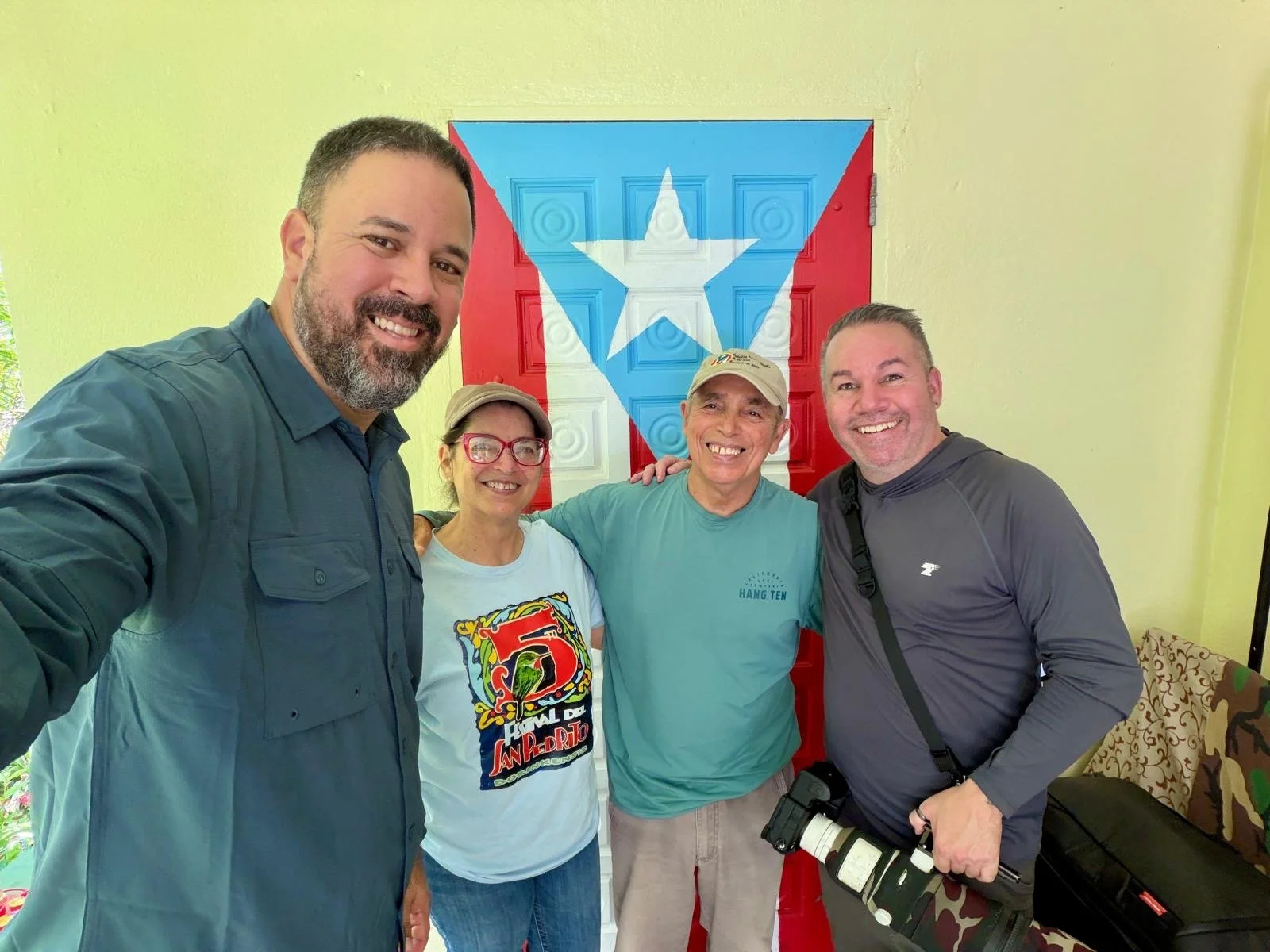
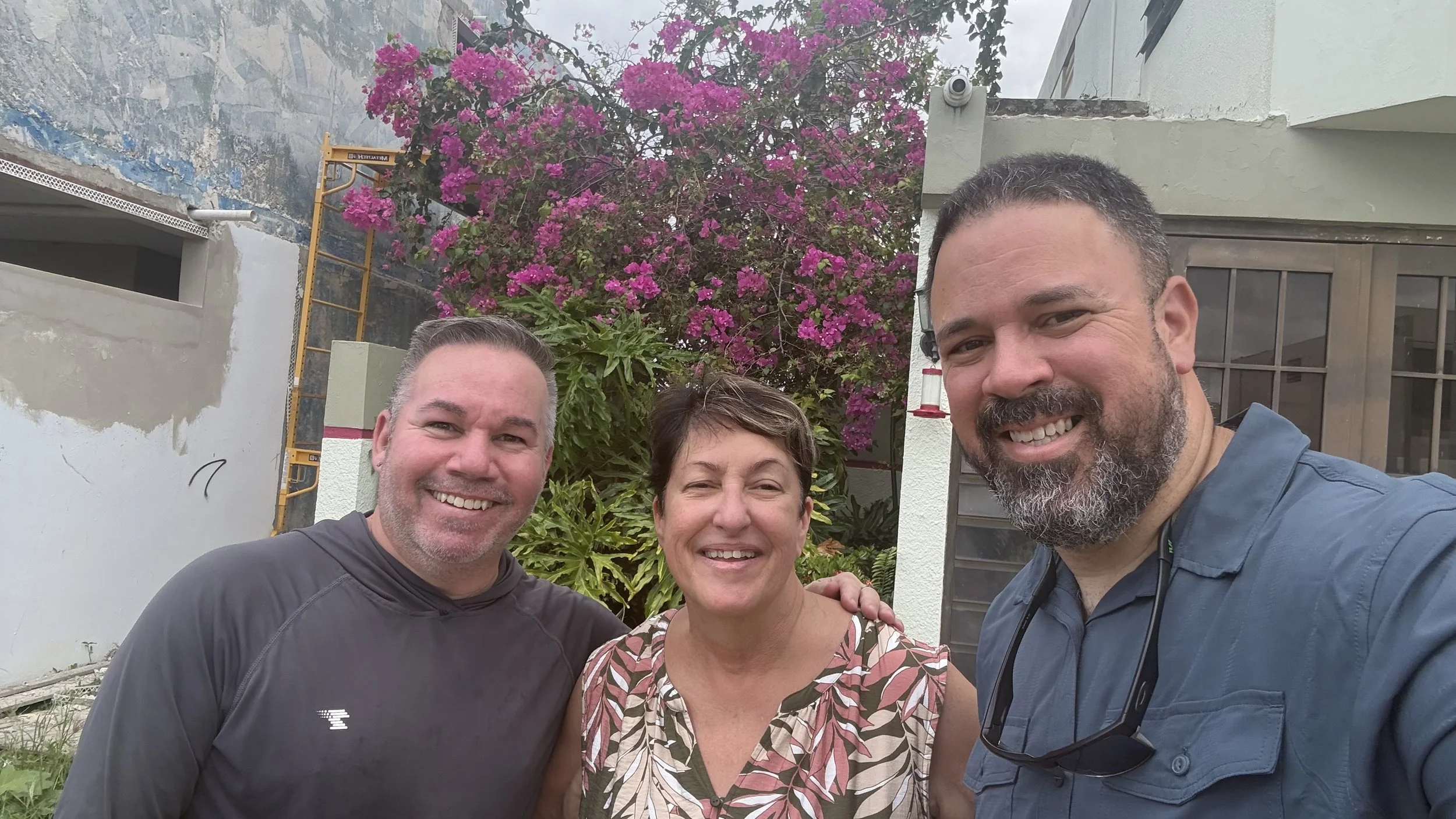
These experiences reminded me that while photographing a new hummingbird species is always exciting, spending time in its presence, learning its behavior, and appreciating the environment it calls home is equally rewarding.
Puerto Rico gave me the opportunity to fulfill a long-held dream, deepen my appreciation for its unique hummingbirds, and share memorable experiences with people who care deeply about the birds of their island.
The journey continues.
If you want to see the full list of hummingbird species photographed during this expedition, including additional photographs and trip details, you can explore the 2026-09-Puerto-Rico.
Interested in joining me on a future hummingbird photography expedition? Learn more about upcoming opportunities on my Travel with Me! page.
Frequently Asked Questions
Puerto Rico may be a relatively small island, but its hummingbirds offer some remarkable opportunities for photography and observation. Here are a few questions about the species and experiences that made this expedition memorable.
-
Puerto Rico is home to five regularly occurring hummingbird species: the Puerto Rican Mango, Green Mango, Puerto Rican Emerald, Green-throated Carib, and Antillean Crested Hummingbird. I was fortunate to photograph all five during this expedition.
-
Three hummingbird species are endemic to Puerto Rico: the Puerto Rican Mango, Green Mango, and Puerto Rican Emerald. These species occur naturally nowhere else in the world, making them especially significant for anyone interested in the hummingbirds of the Americas.
-
My expedition with Gabriel Lugo took us through Barceloneta, Cataño, Salinas, and Utuado. Some of the most rewarding opportunities came from private gardens and properties where local bird enthusiasts welcomed us and shared their knowledge of the hummingbirds visiting their homes.
-
The Antillean Crested Hummingbird was particularly special because I had dreamed of photographing it for years. After our initial location provided only brief feeding encounters high in the trees, Gabriel found another area where several males were perching and defending their territories. That discovery gave me the opportunity to capture the photographs and video footage I had long envisioned.
Please note: The content provided in this article reflects Anthony’s personal experience and photographic approach. Results can vary depending on light, weather, location, equipment, subject behavior, and field conditions.